
New York, March 2, 2026, 05:01 ET — Premarket
- Chevron shares climbed roughly 4% in premarket trading after crude prices surged.
- Supply risks are back in focus for traders, following fresh attacks on regional energy infrastructure and a slowdown in shipping activity near the Strait of Hormuz.
- Investors are eyeing whether the disruptions will subside or escalate before U.S. inventory data hits midweek.
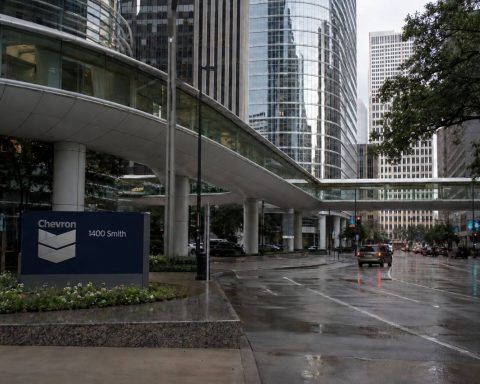
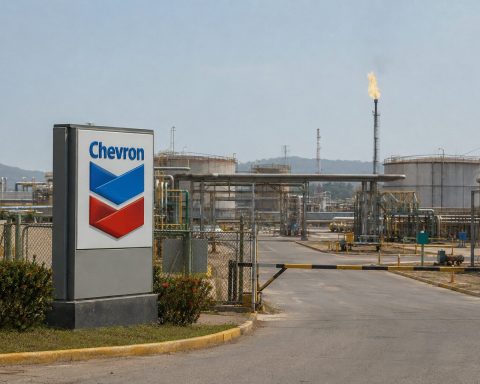
Chevron shares climbed roughly 4% in U.S. premarket action Monday, buoyed by a spike in oil prices as new attacks in the Middle East hit shipping routes and stoked supply concerns.
This shift stands out, as Chevron’s cash flow is tightly linked to swings in crude and gas prices. Markets reopened carrying a risk premium, following weekend strikes that escalated into threats targeting crucial export routes.
It comes as investors reconsider the definition of “temporary” supply outages. Just a brief interruption in the Gulf is enough to send fuel prices and refinery margins moving, with inflation expectations following close behind.
Brent crude spiked up to 13% at the open before trimming those early advances; U.S. West Texas Intermediate (WTI) was swept higher, too. “Markets are acknowledging the seriousness of the conflict, but are also signalling that, for now, this is a geopolitical shock, not a systemic crisis,” said Priyanka Sachdeva, senior analyst at Phillip Nova. https://www.reuters.com/business/energy/oil-jumps-us-iran-conflict-escalates-disrupts-shipping-2026-03-01/
A drone strike forced Saudi Aramco to halt operations at its Ras Tanura refinery, the sprawling Gulf facility capable of processing 550,000 barrels per day, according to a source. Torbjorn Soltvedt, principal Middle East analyst at Verisk Maplecroft, called it “a significant escalation, with Gulf energy infrastructure now squarely in Iran’s sights.” https://www.reuters.com/business/energy/saudi-aramco-shuts-ras-tanura-refinery-after-drone-strike-source-says-2026-03-02/
Chevron faces direct risk in the area. Israel’s Energy Ministry called for parts of the nation’s gas reservoirs to halt operations, following strikes. The Leviathan gas field, which sits offshore and is run by Chevron, was also taken offline, according to three sources cited by Reuters.
OPEC+—that’s the Organization of the Petroleum Exporting Countries together with partners like Russia—signed off on a 206,000 barrels per day (bpd) production increase starting in April. Jorge Leon at Rystad Energy doesn’t see that move as the main story. “Prices will respond to developments in the Gulf and the status of shipping flows, not to a relatively small increase in output,” the head of geopolitical analysis said. https://www.reuters.com/business/energy/opec-debates-oil-output-boost-us-war-iran-disrupts-shipments-2026-03-01/
Chevron finished Friday at $186.76, up 1.41%. Exxon Mobil did better, rising 2.67% in the session. Energy stocks managed to post gains even as the broader market stumbled.
Here’s the simple pitch for bulls: when crude climbs, upstream realizations go up, and refiners see upside if product prices outpace feedstock. The trade’s headline sensitivity spikes as prices accelerate.
The setup’s a double-edged sword. If shipping lanes snap back open or tensions ease, that risk premium unwinds in a hurry. But drag out the outages—especially if gas operations like Leviathan stay offline—and those operational headaches and political risk head right back into the stock.
Now, attention shifts to whether Israeli gas production gets the green light to resume, along with evidence that traffic through the Strait of Hormuz is returning to usual patterns. Stateside, the Energy Information Administration drops its latest weekly petroleum data at 10:30 a.m. ET on Wednesday, a crucial update for traders tracking inventory swings as crude and fuel prices climb.
Related articles: NYSE:CVX