
SYDNEY, March 5, 2026, 18:00 AEDT
- Telstra is calling on Canberra to scale back its proposed mobile spectrum renewal pricing, pressing the issue as the 2026-27 budget approaches.
- The company argues the regulator’s favored pricing overshoots fair value for the industry by around A$4.1 billion.
- ACMA is eyeing a projected market value of A$7.34 billion for the renewal of almost 70 licences that are set to expire starting in 2028.
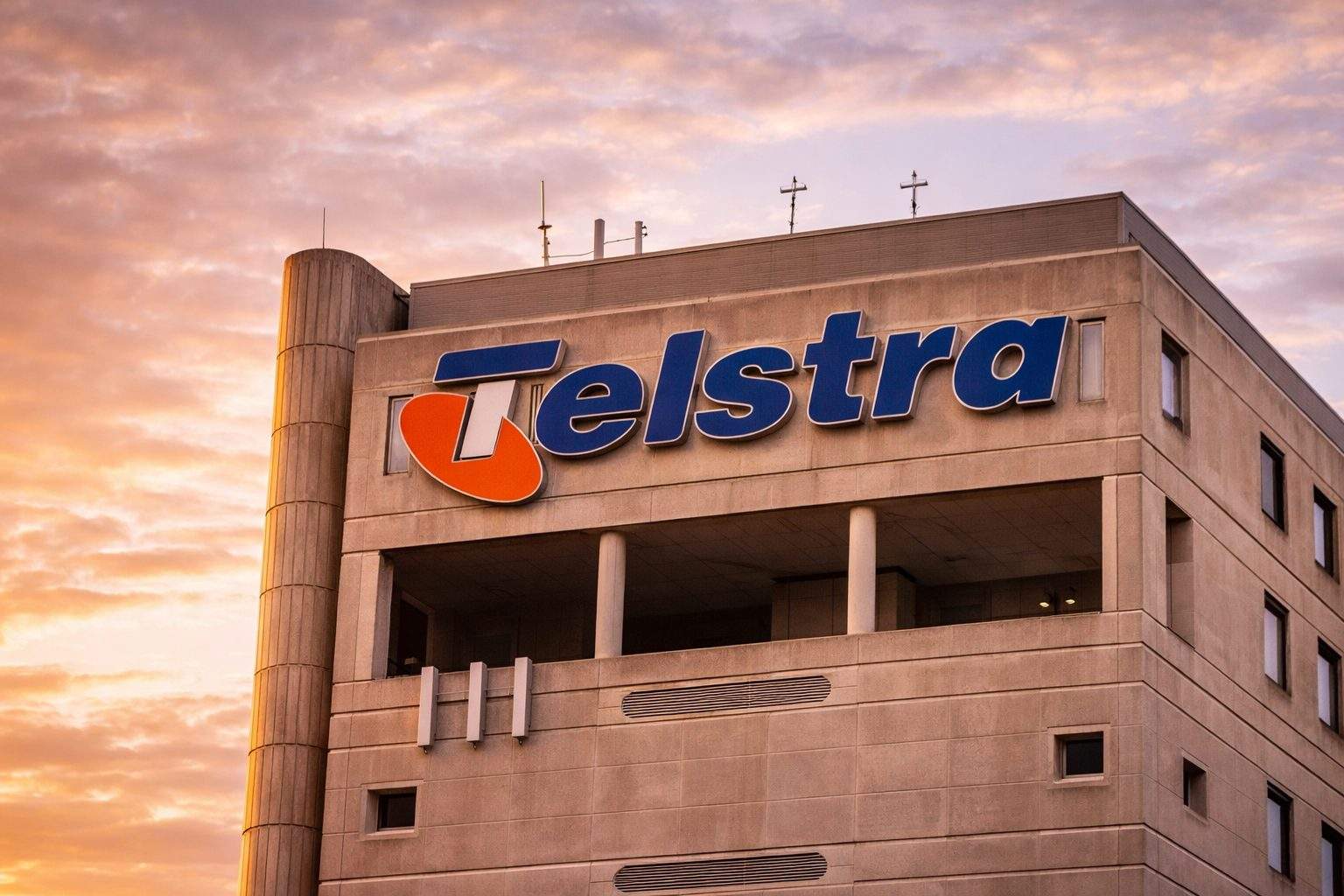
Telstra Group Limited TLS.AX is pressing Australia’s federal government to rein in the price tag on renewing major mobile spectrum licences, cautioning that increased fees could mean either less investment or higher costs for customers.
The Australian Communications and Media Authority (ACMA) is weighing feedback after a public consultation on spectrum — those radio frequencies used for mobile calls and data — wrapped up on Feb. 27. A review of renewal pricing is on the table.
Adam Suckling, deputy chair at ACMA, is backing the renewal of close to 70 licences for Telstra, Optus, TPG Telecom, and NBN Co, pushing the expiry out to 2044. He says the move is about maintaining service continuity and bolstering competition. In his words, ACMA has “determined that … the appropriate projected market value … is $7.34 billion”. ACMA
Telstra said in its most recent submission, filed ahead of the 2026-27 budget, that the industry would end up shelling out roughly A$4.1 billion above fair market value under ACMA’s preferred approach—citing analysis the company had commissioned.
The company is pushing for a sector renewal bill near A$3.3 billion—far less than the estimated A$7.4 billion. For its share, management argues it should face costs closer to A$1.2 billion, instead of the A$2.8 billion figure it described as “on the table”.
Telstra highlighted its A$12.4 billion outlay on mobile networks across seven years to FY25—a figure that includes A$4.7 billion targeted at regional Australia. The company argued that pricier spectrum could eat into future investments for coverage and capacity.
This fight isn’t limited to just a few players—the bands at the heart of the disagreement are crucial for the rivalry between Telstra, Optus and TPG. They also prop up an expanding tier of resellers that rely on network access deals.
Telstra shares slipped 0.58% to A$5.18 late Wednesday, data from Intelligent Investor showed.
Speaking to analysts on Feb. 19, Telstra CEO Vicki Brady said the company has “the capacity, I think, to be able to navigate that period,” but she also flagged that spectrum pricing remains a potential drag on investment decisions. Capital Brief
The dispute isn’t only about the figures. Telstra’s “fair value” argument comes from analysis it paid for. On the other side, ACMA points to international benchmarks, which it says are the right method to value a public asset and ensure taxpayers get a fair return.
If the regulator sticks with its valuation, carriers could end up with little choice but to cut spending, ramp up network sharing deals, or eventually raise prices to manage the extra cost.
Related articles: Stock Market