
TORONTO, March 5, 2026, 09:05 (EST)
- AMD and the University of Toronto rolled out a new research lab aimed at advancing AI and computing, zeroing in on next‑generation tech.
- The lab plans to support 100 research projects during a three-year span and will bolster local computing power by installing new AI servers.
- AMD jumped roughly 6% in premarket action, as the spotlight stayed on its AI chip ambitions.
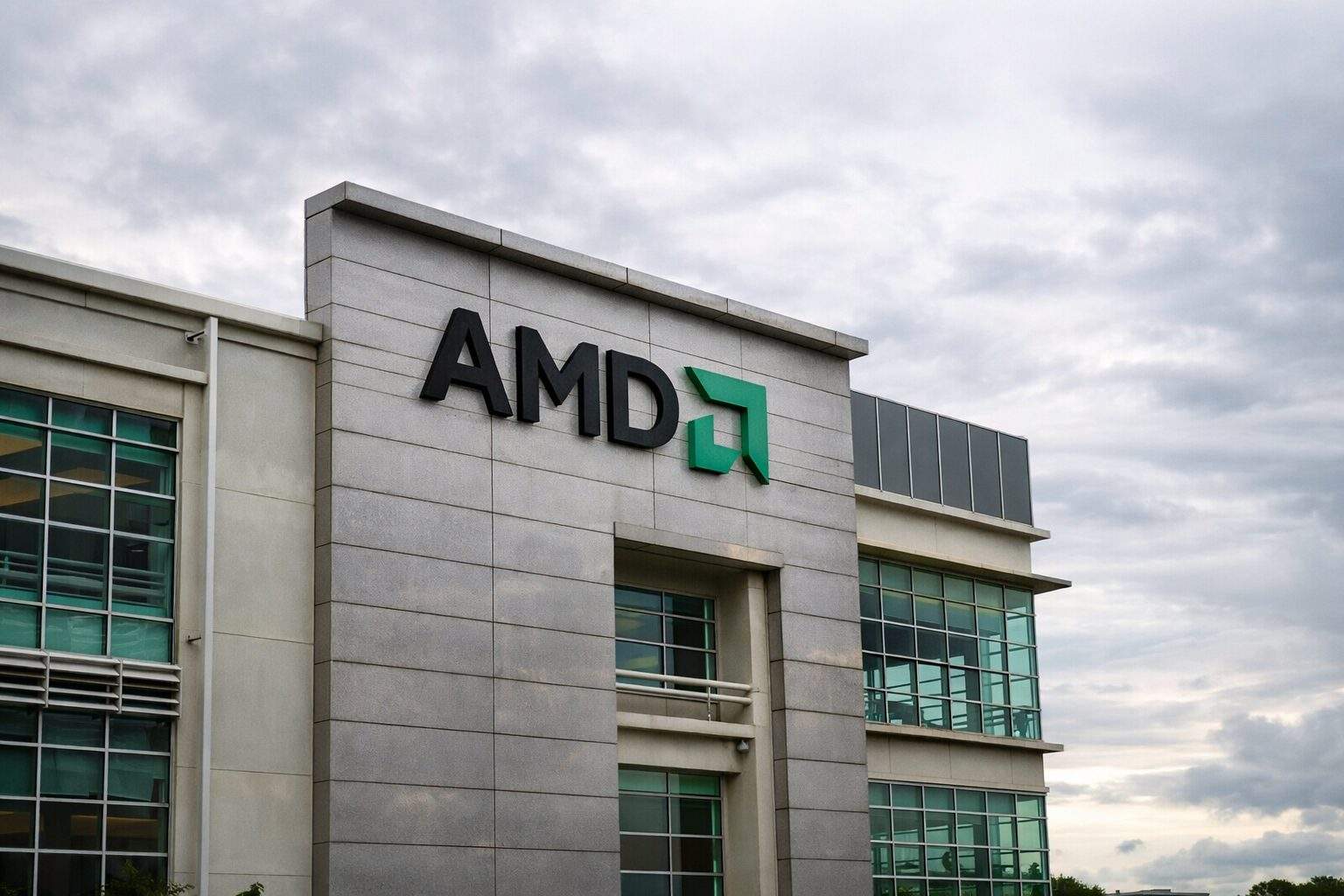
Advanced Micro Devices (AMD) and the University of Toronto’s computer science department are teaming up on a new research lab focused on artificial intelligence and computing, according to a Wednesday announcement from the university.
There’s nothing quiet about the timing. This year, Big Tech is on track to pour over $600 billion into AI infrastructure, a spending spree that’s straining chip supplies and sending vendors scrambling for talent in every corner.
AMD wants those dollars to translate into lasting demand for its GPUs — the chips powering AI model training and inference — even as Nvidia holds a commanding lead. “Meta is locking in supply, diversifying away from a single vendor,” Matt Britzman, senior equity analyst at Hargreaves Lansdown, told Reuters, referring to AMD’s latest deal with Meta. Reuters
The AMD–U of T Research Lab plans to focus on energy-efficient AI, enterprise data intelligence, and decentralized training for large-scale AI models, the partners said in a news release. By joining AMD’s wider R&D network—which also features MIT and UC Berkeley—the university said it’s gaining a spot among global research heavyweights.
Chris Smith, corporate vice-president and head of AMD’s Toronto Markham Design Centre, called the University of Toronto “a world-renowned academic institution at the cutting edge of AI innovation and research.” Smith added, “By embedding U of T’s brightest minds within our research teams, cutting-edge ideas move swiftly from the lab to global-scale applications.” U of T Computer Science
Arvind Gupta, professor at U of T’s computer science department, described it as “the natural evolution of a relationship that started eight years ago,” with the partnership now ramping up on applied research. According to U of T, more than 30 applied research projects have wrapped up so far between AMD and the university. Many of the students involved ended up at AMD after graduation. U of T Arts & Science
AMD jumped roughly 5.9% to $202.07 ahead of the open. Nvidia edged up around 0.6%, while Intel added about 0.4%.
Tech shares have shouldered much of the recent market move, with investors shifting quickly between chasing risk and seeking safety. “You combine all of those and it equates to a market that’s feeling further emboldened,” said Michael James, equity sales trader at Rosenblatt Securities, pointing to strength in semiconductors among the drivers. Reuters
AMD execs have recently parted with shares, as filings show. CFO Jean Hu saw 51,920 shares withheld at $200.21 each—about $10.4 million—to settle tax obligations after vesting performance-based restricted stock units. Chief commercial officer Philip Guido reported 16,964 shares withheld under similar arrangements, totaling roughly $3.4 million.
AMD’s Mark Papermaster disclosed plans to sell 3,034 shares—worth roughly $606,800—via Morgan Stanley, according to a separate Form 144 filing. The document shows the sale is linked to a Rule 10b5-1 plan set up back in November 2025, laying out trades ahead of time.
The real wildcard isn’t just tied to a new product launch or insider activity. If tensions in the Middle East drag out, there’s risk to the supply of crucial materials for chipmakers—and data center expansion could hit snags, Reuters said. Rising energy prices are another pressure point for tech valuations. “The Federal Reserve’s policy outlook is becoming more complicated,” noted Daniela Hathorn, senior market analyst at Capital.com. Reuters
AMD is doubling down on the idea that a strong research pipeline and local engineering talent out of its Toronto lab could be just as critical as any product roadmap. Both are on the table if the company’s hoping to win—and hold onto—big AI accounts, especially as competition heats up in the sector.
Related articles: NASDAQ:AMD



![Asia Stock Market Today 23/08/2026 [UPDATE: 08:08 SGT] [Yield Shock Splits Asia: Weekly Recap and Week Ahead]](https://ts2.tech/wp-content/uploads/2026/08/Asia-market-dashboard-2026-08-23-0808-480x384.jpg "Asia Stock Market Today 23/08/2026 [UPDATE: 08:08 SGT] [Yield Shock Splits Asia: Weekly Recap and Week Ahead]")


![Australia Stock Market Today 23/08/2026 [UPDATE: 08:38 AEST] [Healthcare Surge: Weekly Recap and Week Ahead]](https://ts2.tech/wp-content/uploads/2026/08/AU-market-dashboard-2026-08-23-0843-480x384.jpg "Australia Stock Market Today 23/08/2026 [UPDATE: 08:38 AEST] [Healthcare Surge: Weekly Recap and Week Ahead]")