
Sydney, March 6, 2026, 18:04 AEDT
Qantas Airways is shifting its Perth-London flights to make a stop in Singapore for refueling, while also putting another Sydney-London A380 flight into the mix. The move comes as Middle East conflict continues to disrupt the typical Europe-Asia air corridor, putting pressure on routes. Seats remain available, though it’s clear the ripple effects from the region have hit Qantas’s Europe operations.
Right now, this is a big deal: Emirates, Qatar Airways, and Etihad typically handle over half the traffic between Europe and Australia, New Zealand, and the Pacific islands, Cirium data shows. But with Doha out of action—and limited flights running out of Dubai and Abu Dhabi—passengers are scrambling for non-Gulf options. “The biggest shutdown we’ve seen certainly since the COVID pandemic,” said Paul Charles at consultancy PC Agency. Reuters
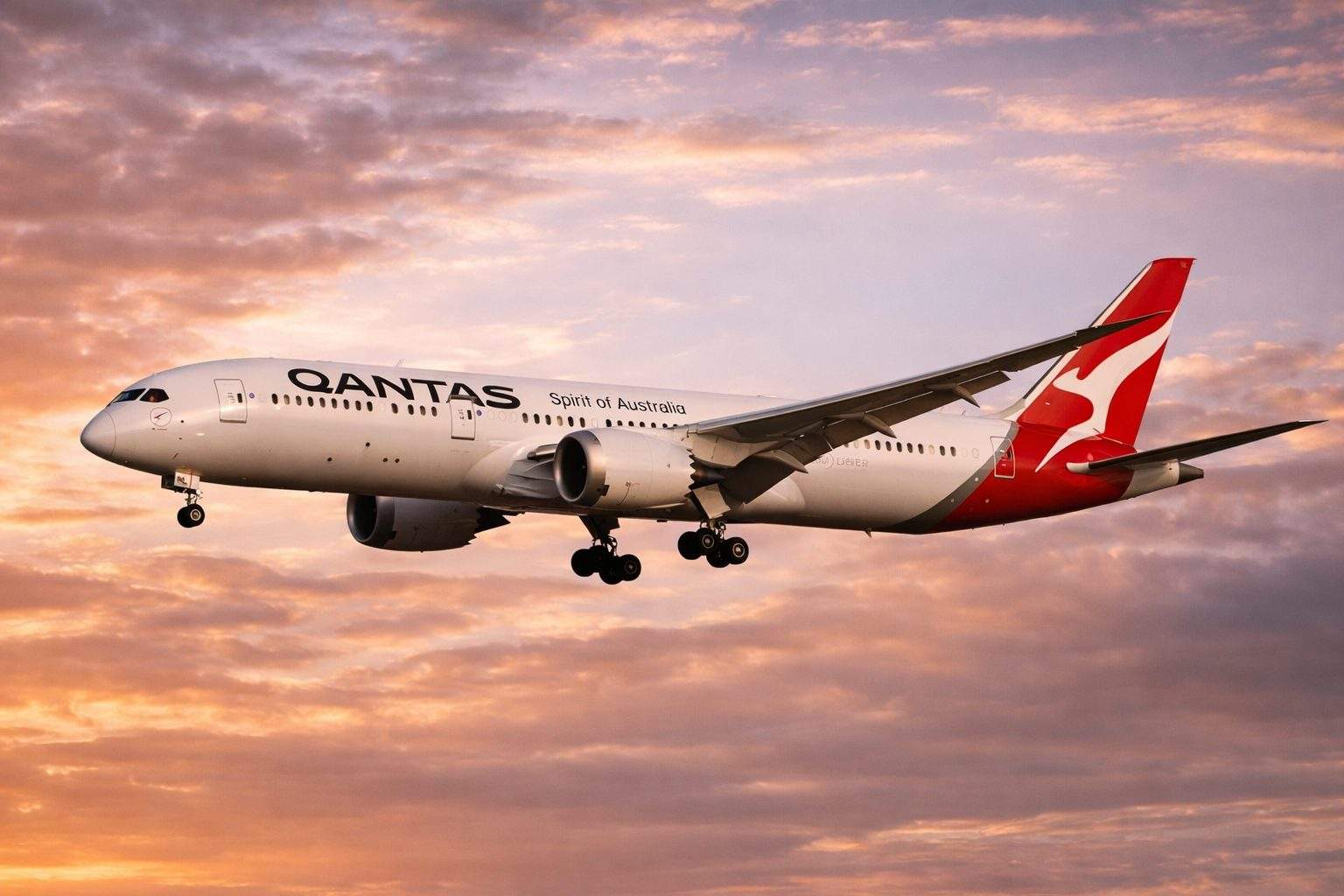
Qantas, in a Friday travel update, said its Perth-London QF9 route will continue making its stop in Singapore due to necessary flight path adjustments. No other Qantas-operated services, including those running between Singapore and London, are affected, the airline added. Call wait times are up, though, and for customers with partner-airline bookings involving the UAE, Qatar, Israel, Jordan, or Oman, Qantas is offering fee-free changes, credits, or refunds.
Qantas is putting on another A380 from Sydney to London this Saturday, March 7, aiming to move 485 customers headed for Europe. The Singapore layover on the Perth-London route opens up spots for roughly 60 more travelers, as demand stays high.
The pressure in the market is already showing. Emirates, late Thursday, said it’s cutting back to 82 destinations—London, Sydney, Singapore among them. Etihad plans to stick with a limited schedule through March 19. Over in Doha, Qatar’s hub is still closed. Passenger traffic is already moving away from Gulf carriers, according to Rico Merkert, chair of transport and supply chain management at the University of Sydney, with more flows heading toward hubs like Singapore and Hong Kong.
Costs aren’t easing up. Qantas boss Vanessa Hudson this week called the airline’s fuel hedging “pretty good”—locking in a chunk of costs ahead of time—but she didn’t downplay oil’s surge as a challenge for carriers. Qantas disclosed last week that 81% of its fuel needs for the second half are covered by hedges. Reuters
This fresh disruption comes just days after Qantas posted a record first-half underlying profit before tax of A$1.46 billion—its go-to profit gauge—even though earnings from its international arm slipped 6%. CEO Hudson noted the carrier was already shifting some capacity off softer U.S. routes and redeploying it to Singapore, chasing stronger demand there.
Qantas faces the risk that what starts as a quick workaround could harden into something much more expensive. Industry experts pointed out this week that, even with a swift ceasefire, it would take time for airlines to shuffle aircraft, juggle crews, and get schedules back on track. Guido Carim Junior, an aviation specialist at Griffith University, told ABC that just a single day of airport shutdown can take weeks to unravel, and months of fallout aren’t out of the question.
Qantas finished Friday’s session at A$8.92, down 1.8%, company data showed. The stock tracked a wider decline across airlines, with investors digesting the impact of pricier fuel and extra rerouting expenses.