
SEOUL, March 7, 2026, 16:05 KST
On Friday, South Korea’s KOSPI barely budged, finishing almost flat, though over the past week it still sank roughly 10.6% from Feb. 27—one of the sharpest drops in its history. The KOSDAQ, which tracks smaller tech and biotech names, closed the day at 1,154.67, eking out a gain for Friday but holding about 3.2% below where it stood a week ago.
The swing hits hard here, with Seoul’s market barely over 6,000 after smashing through that barrier for the first time on Feb. 25, powered by chipmakers riding the artificial intelligence surge. Just a week ago, the rally looked relentless. Now, the KOSPI’s vulnerability to oil jumps and heavy foreign bets is hard to miss.
Foreign investors had already started pulling out before the real panic hit. According to LSEG figures reported by Reuters, February saw a record $13.67 billion in outflows from South Korean stocks, while equity markets in Taiwan, India, Thailand, Indonesia and the Philippines actually attracted new foreign cash. Dat Tong at Exness pointed to “AI-related valuation jitters” spreading well beyond the U.S., calling it a global phenomenon. BNP Paribas’ William Bratton, however, still sees “near-term upside on the memory super-cycle.” Reuters
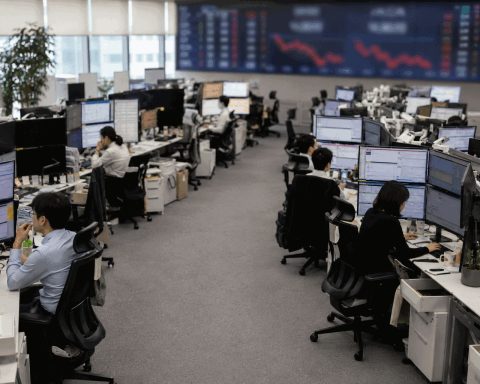
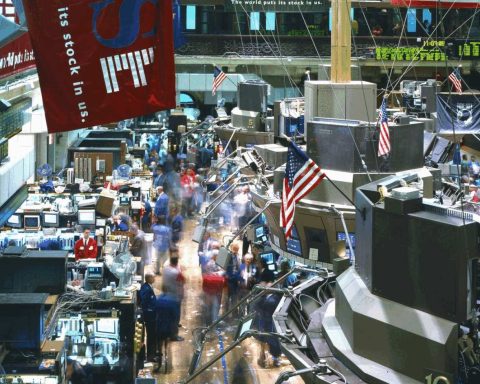
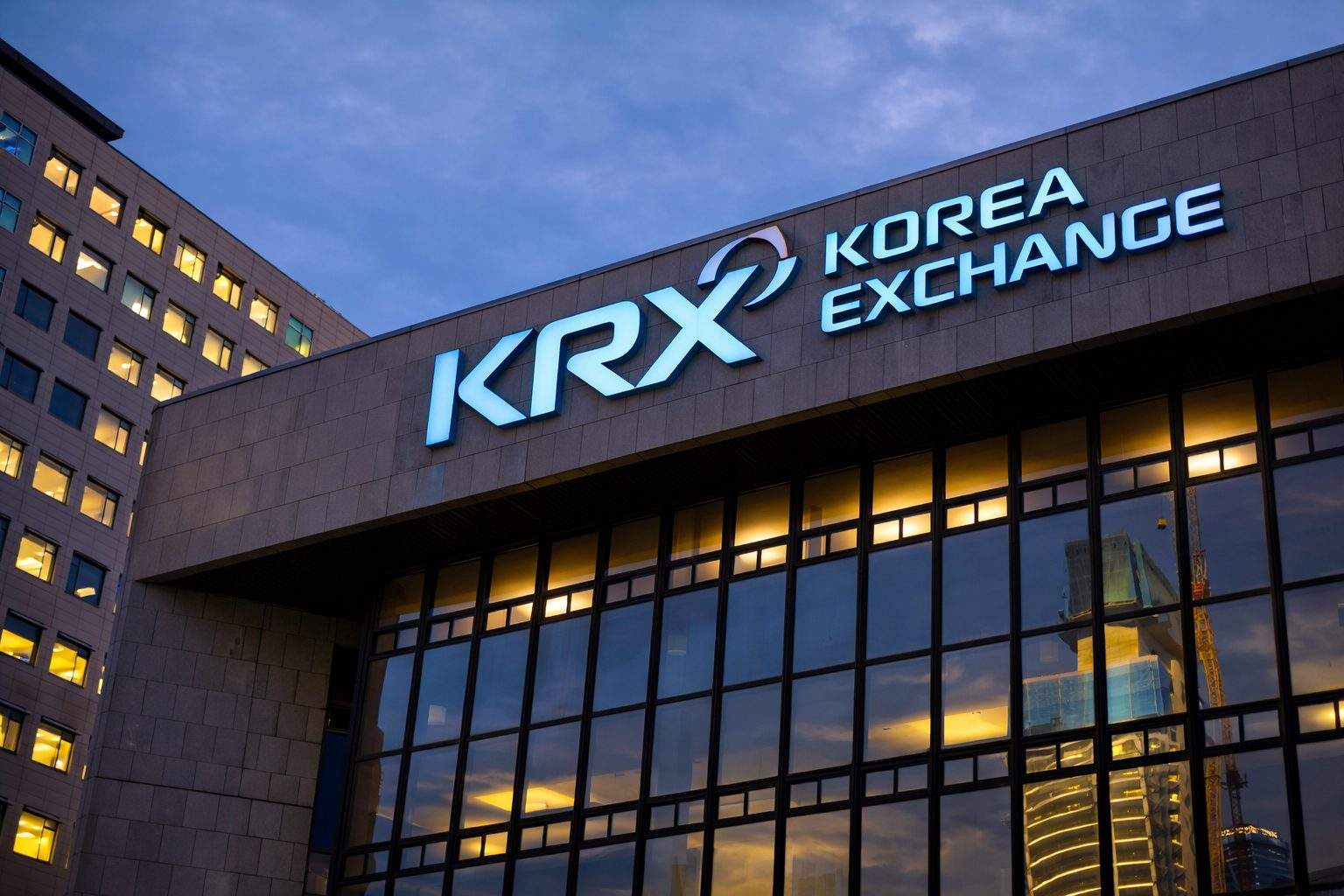
The week took a sharp turn. KOSPI tumbled 7.24% Tuesday, then plunged another 12.06% Wednesday—its steepest one-day drop ever. The Korea Exchange hit the circuit breakers, halting trades to stem the rout. By Thursday, the index clawed back 9.63%, and by Friday, things steadied. According to Reuters, about half a trillion dollars in value vanished from the market by the middle of the week.
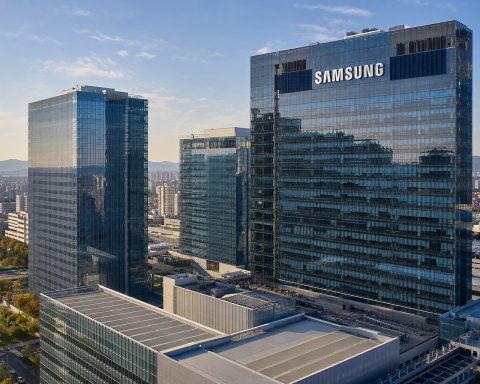
Losses piled up in the big names that had led the earlier surge. Samsung Electronics closed out Friday at 188,200 won, SK Hynix at 924,000 won—both dropping about 13% since Feb. 27. Still, retail investors stepped in, snapping up a combined 5.059 trillion won of the two stocks between March 3-5, according to Korea Exchange figures reported by BusinessKorea.
It wasn’t a smooth session on Friday. Retail investors picked up a net 2.9 trillion won in stocks, but the day saw foreigners unloading 1.1 trillion won and institutions pulling out 1.9 trillion won, according to Yonhap via Korea JoongAng Daily. Autos and defense names pushed higher; Samsung and SK Hynix, though, lost ground. “Bargain hunters supported the 5,500-point line,” said Lee Kyoung-min at Daishin Securities. Korea Joongang Daily
As losses accelerated, officials wasted no time. Reuters said President Lee Jae Myung called for a $68 billion market-stabilisation fund to be activated. The Financial Services Commission signaled the government, central bank, and regulators stood by with contingency programs exceeding 100 trillion won if circumstances demanded it.
Conditions aren’t entirely bleak. South Korean exports posted a 29% gain in February from a year ago, clocking a ninth consecutive month of increases. Semiconductor shipments soared 160.9%, a clear sign the chip boom that drove markets earlier this year continues to ripple through the real economy.
The real trouble is oil. Morgan Stanley’s James Lord warns there’s still room for prices to climb; a push past $100 a barrel, Reuters notes, threatens to stir up inflation again—and could push out any hopes for rate cuts. South Korea, which sources roughly 70% of its oil from the Middle East, is more vulnerable than most if the conflict drags on.
Seoul took a bigger hit compared to its regional counterparts. Reuters graphics indicated Japan’s Nikkei 225 dropped about 6% over the week, while the KOSPI slid around 11%. Despite that, the Korean index is still up roughly 30% for the year. Friday’s session pointed to some relief from the selling, but volatility hasn’t disappeared.
Related articles: KRX:005930