
BUENOS AIRES, March 7, 2026, 06:42 ART
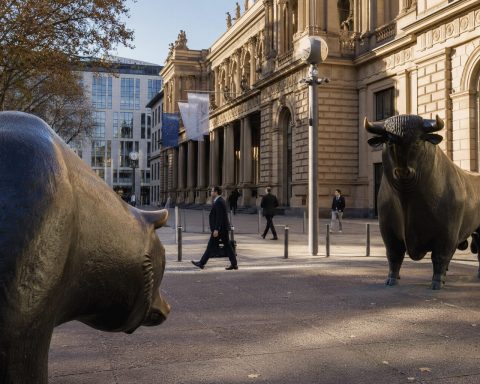
Buenos Aires shares bounced back Friday, sending the S&P Merval 2.15% higher to end at 2,626,114.83 points. Still, comparing the Feb. 27 and March 6 closes, the index wrapped up the week roughly 0.6% lower than its opening level.
This is coming to a head fast—traders don’t have room to relax. Argentina’s February CPI lands March 12. The central bank’s REM survey, out March 5, pushed the consensus for February inflation up to 2.7%, compared with the previous reading. Core inflation? Now at 2.5%. The oil shock just stirs the pot further, clouding the inflation picture.
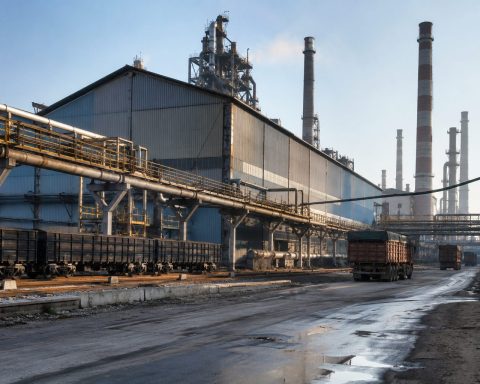
Aluar, Ternium Argentina, and YPF paced Friday’s bounce, but Banco Macro and Grupo Financiero Galicia couldn’t keep up. Bonds told a different story: sovereign dollar debt slipped roughly 0.9% on the session, and the risk premium on Argentine paper climbed to 575 basis points. In other words, cash stayed picky—no broad rush into Argentina.
This week, the mood was sour. Argentina landed near the bottom of emerging-market equity fund performers for the month, LSEG Lipper data showed, as reported by Reuters. The MSCI emerging markets index dropped over 6% during the week. Oil prices, meanwhile, jumped nearly 30% within days as the Middle East conflict rattled shipping routes and energy supplies.
Grupo SBS chief economist Juan Manuel Franco described the environment as “highly turbulent,” pointing to a surge in energy prices and a drop in risk assets as fighting intensified. Economist Gustavo Ber noted that investors were focused on signals about the conflict’s duration, watching closely to see if oil prices would ease enough for Wall Street to catch a breather. El Cronista
Strip away the headlines and the local narrative is still in play. Congress signed off on Javier Milei’s labor reform last Friday. This week, the president argued Argentina needs lower taxes and more changes to its institutions—a reform agenda some corners of the market continue to see as a positive.
Oil-tied stocks aren’t just drifting. Argentina’s energy trade could swing to a surplus of $8.5 billion to $10 billion in 2026 with Vaca Muerta driving up exports—a number that goes a long way toward understanding why YPF and other energy shares outperformed banks heading into the weekend.
It’s a trend cropping up all over the region. Brazil’s Petrobras flagged this week that the fresh oil surge might be enough to boost cash flow for possible extra dividends, management quick to note the war’s uncertainty. That’s kept LatAm energy shares on firmer ground, even while risk assets elsewhere look shaky.
The margin here is narrow. According to former Energy Secretary Daniel Montamat, a sustained crude rally could drive Argentine fuel prices up by as much as 5% to 7%. He estimates fuel’s direct share of the CPI basket at about 2% to 4%. Barclays, for its part, sees Brent pushing toward $120 a barrel if the conflict continues.
Next week shapes up as a pivotal stretch for the Bolsa de Comercio de Buenos Aires. The central bank snapped up $1.555 billion in February, and Franco flagged that reserve buildup and peso interest rates remain squarely in the spotlight for investors. With the CPI data set for March 12 and inflation expectations ticking upward, Friday’s bounce might not have much time to make its case.
Related articles: Inflation