
WASHINGTON, March 12, 2026, 09:59 EDT
- Brent plunged 11% on March 10, reacting to Trump’s hints that the Iran conflict might wrap up soon. By Thursday, prices had snapped back toward $100 as Gulf attacks escalated.
- The IEA and the U.S. are moving ahead with a record-setting emergency oil release, yet significant disruption persists in the Strait of Hormuz.
- Analysts argue that while reserve barrels might soften the blow, they won’t clear the crucial shipping lane.
President Donald Trump’s push to rein in oil prices keeps hitting a snag Washington can’t resolve fast: heavy disruption at the Strait of Hormuz. Brent crude closed out March 10 at $87.80 a barrel after Trump suggested a quick end to the war with Iran. But by 1235 GMT Thursday, Brent had surged to $98.45, as Iran ramped up attacks on tankers and Gulf energy facilities.
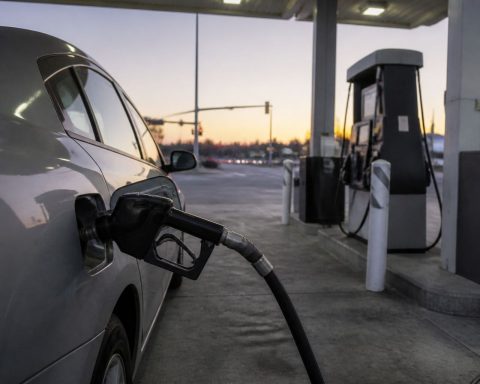
The oil shock is rippling further, with broader economic fallout showing up now. Stocks slipped Wednesday—both the Dow and S&P 500 closed down—even with U.S. inflation figures coming in soft. Gasoline prices averaged $3.54 per gallon on Tuesday, a roughly 19% climb since the war broke out, turning into an election-year headache for Republicans.
The International Energy Agency, representing the world’s biggest oil consumers, points to a physical bottleneck—not just nerves. Right now, less than 10% of the pre-war volume is making it through the narrow passage linking the Gulf to open waters. In 2025, that route carried around 20 million barrels a day of crude and fuel, a figure that made up about a quarter of all oil shipped by sea globally.
Trump’s advisers have scrambled for familiar crisis tools. On March 10, the White House announced talks with industry executives and said contingency plans were in the works to keep Hormuz accessible. Energy Secretary Chris Wright floated possible reserve releases, plus flexibility for Russian oil stuck offshore; on Thursday, he added the Navy wasn’t yet escorting tankers through the strait, although that could shift before month-end.
Every time the president drops a hint, markets treat it like a trading cue rather than any kind of fix. On Tuesday, Andrew Lipow at Lipow Oil Associates pointed to the sharp drop, calling it traders “reacting to the possibility” that Hormuz might reopen. JPMorgan, though, sees policy steps as mostly moot unless ships can safely move through the strait again. Reuters
Don’t expect production to bounce right back if fighting stops. Simon Flowers, Wood Mackenzie’s chief analyst, warned that bringing shuttered wells and disrupted supply networks onstream “won’t be swift.” Over at Patterson-UTI, CEO Andy Hendricks is asking, “What is the true price of oil” six to nine months from now, as drillers weigh whether the rally sticks. Reuters
Washington and its partners have taken aggressive steps to curb the fallout. On March 11, the IEA announced that all 32 member nations would tap emergency reserves, unlocking 400 million barrels—marking the agency’s biggest coordinated release ever. The U.S. plans to supply 172 million barrels over the next 120 days, with shipments starting next week.
Fatih Birol, executive director of the IEA, said Thursday the release was making a “strong impact” on markets. Still, the agency pointed to the conflict as triggering the largest oil-supply disruption global markets have seen, and Brent surged 7% that day, with new tanker attacks rattling traders. Reuters
Supply lines are looking patchier, not more streamlined. Saudi Arabia has bumped up shipments out of Yanbu on the Red Sea. Over in Mumbai, India reported that a Saudi crude tanker had arrived via the Hormuz Strait. Data from Kpler and TankerTrackers.com, meanwhile, pointed to Iranian exports holding close to their usual levels—even as several Gulf rivals dialed back.
The real danger: this emergency move only buys some time. According to Energy Aspects, the 400 million barrels would stretch to just 25 days at the current pace of disruption. Over at Goldman Sachs, analysts flagged the risk that Brent could average $110 in March and April, provided Hormuz shipments remain heavily restricted for a month. If tight flows drag on through March, they said daily prices might even break past the 2008 record.
On Thursday, Trump made it clear he’s not just after cheap fuel—he pointed out that rising oil prices can boost U.S. profits, though he emphasized Iran remains his main concern. Oil traders, though, keep circling back to the Strait of Hormuz. Unless ships can pass through Hormuz without disruption, every policy tweak is going to seem incomplete.
Related articles: Energy