NEW YORK, March 13, 2026, 11:26 EDT
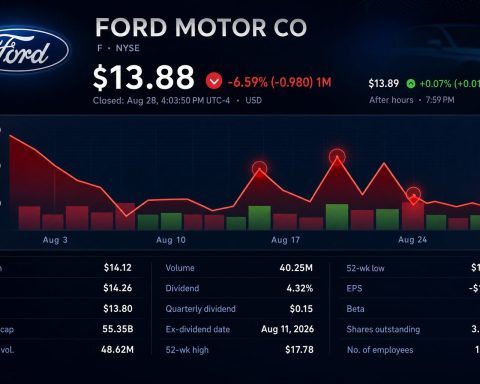
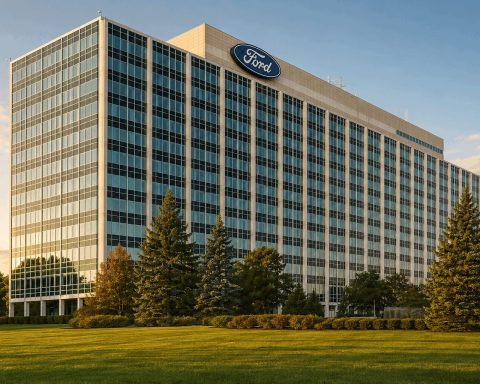
Ford Motor was down roughly 2% at $11.80 late Friday morning, slipping to a session low of $11.75. The stock trailed the wider Wall Street recovery, with investors digesting more evidence that traditional automakers remain on the hook for costly EV overhauls.
Honda’s $15.7 billion EV restructuring charge, revealed Thursday, swung attention back to Ford’s own $19.5 billion writedown—and reignited questions about the broader industry’s cooling on battery-car bets. Over the past year, Ford, General Motors, Stellantis and others have together tallied up more than $70 billion in EV-related charges, Reuters reported Thursday. “They took too long contemplating this,” said CLSA autos analyst Christopher Richter, referring to Honda. Reuters
Ford lagged while most stocks were up. The main U.S. indexes gained on Friday, but GM edged down 0.5% and Stellantis dropped 2.2% in U.S. action.
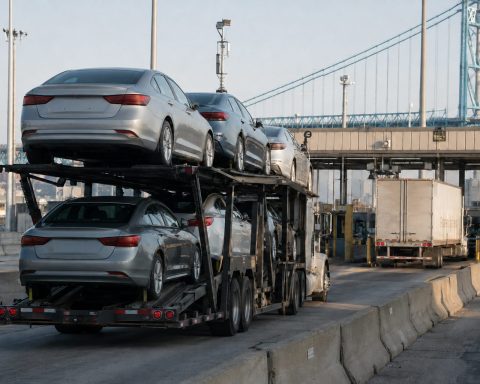
Ford shares remain weighed down after the automaker’s disappointing February numbers. The company swung to a $11.1 billion net loss in the fourth quarter, pressured by earlier EV-related write-offs. Analysts’ earnings forecasts weren’t met, and Ford projected EBIT for 2026 in the $8 billion to $10 billion range. Tariffs are set to pile on another $2 billion in expenses — most of it linked to aluminum used in F-150 production.
Chief Executive Jim Farley insisted the move was intentional, not a sign of backing down. “I do believe this is the right allocation of capital,” Farley said on the analyst call, as Ford rolled out plans focused on partnerships, hybrids, and a new electric pickup riding on an EV platform priced around $30,000. Reuters
There’s another hitch for the trade. Brent crude hovered close to $100 a barrel on Friday, and Goldman Sachs just lifted its forecast, now projecting the benchmark will average over $100 in March. Not exactly ideal for any U.S. automaker betting more heavily on big gasoline trucks and SUVs.
Affordability remains out of reach. The average price for a new vehicle in the U.S. now hovers around $47,000, Reuters reported this week, as automakers lean into pricier, feature-loaded models with fatter margins. Tyson Jominy at J.D. Power summed it up: “We’re buying more expensive vehicles.” For John Casesa of Guggenheim, the trend spells a “tremendous vulnerability” if more affordable competitors make headway. Reuters
Ford says it’s planning five models under $40,000 by decade’s end, aiming to tackle that issue. Next week could bring fresh questions from investors—COO Kumar Galhotra is set to appear at Bank of America’s auto summit on March 18, according to the company’s investor relations site.
The list of risks hasn’t gotten any shorter. This week, the National Transportation Safety Board announced plans for a March 31 hearing that will examine two deadly 2024 crashes tied to Ford’s BlueCruise hands-free driver-assist tech. At the same time, Ford is still grappling with recall and warranty expenses—persistent trouble spots CEO Farley says are weighing on both profit and reputation.
At the moment, shares sit nearer Wall Street’s cautious stance than Ford’s own recovery pitch. The company’s cost-cutting and bet on trucks and hybrids face a gauntlet—tariffs, safety probes, and the wider EV slowdown all hang over the outlook. Investors aren’t moving until those uncertainties clear.
Related articles: NYSE:F