
LONDON, March 23, 2026, 23:25 GMT
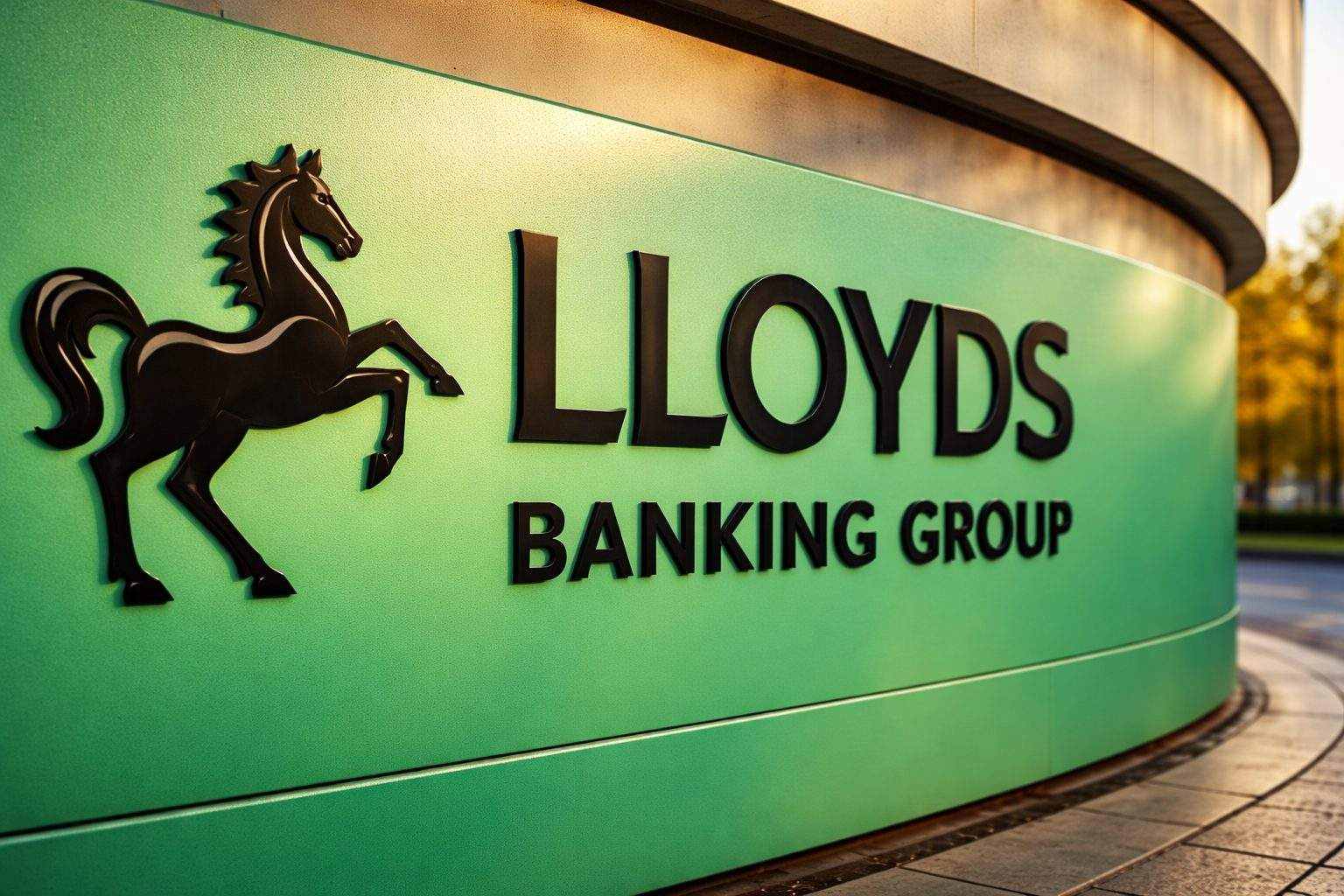
Lloyds Banking Group shares closed up 2.09% at 92.68 pence on Monday, outperforming the FTSE 100, which slipped 0.2%. A hefty fall in oil prices helped relieve some of the strain on UK interest rates and domestic banks.
Lloyds stands out for its heavy exposure to the UK compared to other big banks. The group, the country’s top mortgage lender, leans hard into UK retail and commercial banking. When the Bank of England shifts gears, or when there’s movement in mortgage pricing and household demand, Lloyds shares typically feel it fast.
This wasn’t about company news—it was geopolitics. Sterling clawed back 1% after U.S. President Donald Trump announced a five-day delay on strikes targeting Iranian power plants. Brent crude slumped 10%. Yields on 10-year UK gilts, which had hit a peak not seen since 2008, slid 11 basis points (0.11 percentage points). By the close, traders were only pricing in about two quarter-point Bank of England hikes for the year, a big step down from where bets stood earlier on Monday.
Lloyds had company. Barclays finished the session at 382.25 pence, gaining 2.23%. NatWest closed at 530.20 pence, up 2.04%. HSBC saw a 3.39% jump to 1,183 pence. Investors were evidently rotating back into UK banks, despite the broader London index remaining negative.
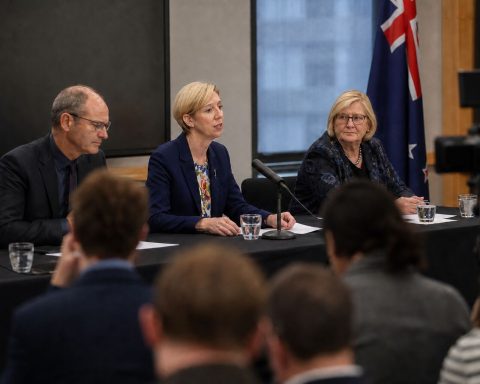
Investors are dialing back on the darkest-case scenarios, according to Fiona Cincotta, senior market analyst at City Index. Over at Monex Europe, Nick Rees, head of macro research, pointed out that traders were looking at Trump’s action as a potential way out—but he warned the level of uncertainty remained elevated.
Caution was echoed by others. Susannah Streeter, chief investment strategist at Wealth Club, described markets as having been on a “wild ride,” adding that relying too much on Trump’s remarks could be dangerous. Over at Swissquote, senior analyst Ipek Ozkardeskaya argued that for any lasting de-escalation, Iran’s involvement remains essential. Reuters
Lloyds entered this period with strong backing from the company. Back in January, the bank reported 2025 pretax profit of 6.7 billion pounds, bumped its 2026 profitability target above 16%, and rolled out a 1.75 billion pound share buyback. Chief Executive Charlie Nunn credited “continued business momentum and strategic delivery” for the upgraded outlook. Reuters
The stock is still at the mercy of rate moves. Just before the Iran war, traders were looking for two Bank of England rate cuts in 2026; by Monday, expectations had swung back to nearly two hikes—even after yields and oil retreated for the day. For a lender this entwined with UK mortgages, savings, and consumer credit, such sharp swings might lift margins one week but muddy the demand picture the next.
There’s a risk Monday’s bounce won’t last. Chris Beauchamp, chief market analyst at IG Markets, called the U.S. response a delay rather than any real halt, while Ozkardeskaya argued that optimism alone can’t steady the market. Should energy prices jump again, inflation jitters could quickly flare up, driving bond yields and Bank of England rate expectations higher—and that spells more strain for Lloyds.