
NEW YORK, March 26, 2026, 12:49 EDT
Advanced Micro Devices shares stumbled 6.3% to $206.32 by midday Thursday, slipping from an open at $218 and touching a session low of $206.03 as chip stocks lost steam.
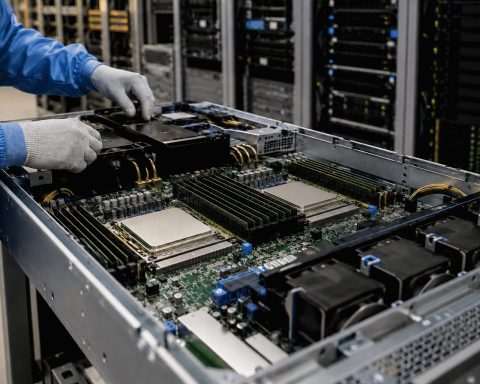
The swing has investors’ attention after AMD jumped over 7% Wednesday, part of a surge across chip stocks. Traders seized on fresh signals that CPUs — those mainstay chips running the core of every computer — are gaining renewed importance in AI setups. By Thursday midday, though, the iShares Semiconductor ETF had reversed, dropping roughly 3.4% and wiping out much of the previous day’s rally.
The broader risk-off turn on Wall Street set the tone for that reversal. Tech shares took the biggest hit, with investors caught between mixed headlines about Middle East tensions easing or not. “Some of the downside scenarios aren’t good for the global economy,” said Jack Herr, primary investment analyst at GuideStone, pointing to persistent caution in the market. Reuters
Arm set things in motion the previous day. The British chip designer projected its AGI CPU might deliver around $15 billion in yearly revenue within five years—a forecast that sent AMD and Intel higher, as investors started to see AI demand moving beyond just graphics chips. Arm CEO Rene Haas described the rollout as “a very pivotal moment” for the company. Reuters
The supply crunch in that trade isn’t just talk. Back in February, Reuters reported Intel and AMD had notified Chinese customers about looming server CPU shortages. For some AMD chips, buyers were staring at waits stretching eight to 10 weeks—the latest sign that the build-out of AI data centers is reaching deep into legacy parts of the semiconductor supply chain. At the time, AMD said it was still confident about meeting demand, thanks to supplier deals and its tie-up with TSMC.
AMD has moved to lock in that demand, signing a deal in February to sell as much as $60 billion in AI chips to Meta Platforms over five years. Hargreaves Lansdown’s Matt Britzman described the agreement as “a vote of confidence” in AMD’s new hardware, but he also pointed out that the equity incentive for Meta could signal AMD is “struggling to generate organic demand.” Reuters
Even now, February’s slip is fresh in investors’ minds. Back in early February, AMD put out a first-quarter revenue forecast around $9.8 billion. The stock sank as traders zeroed in on that sequential drop, plus margins still lagging behind Nvidia’s. “Expectations for AI hardware have gotten out of whack—people want ‘large blowout quarters,’” said TECHnalysis Research President Bob O’Donnell. Reuters
AMD’s making moves to reinforce its supply lines. Just last week, Samsung Electronics and AMD announced plans to ramp up collaboration on next-generation high-bandwidth memory, known as HBM—this is the stacked memory that sits right next to AI chips, speeding up data transfers. The two are also considering a foundry partnership, building on discussions Lisa Su had already kicked off in South Korea.
For AMD, the risk stands out: stronger CPU prices and limited supply might jolt sentiment here and there, but chip valuations remain under pressure from broader macro forces. Reuters on Thursday noted investors are still treating the oil shock and Middle East crisis as a short-term story—“measured in weeks, maybe a couple months.” If that narrative fades, names like AMD, Nvidia, and Intel could stay twitchy, AI-driven demand or not. Reuters
Related articles: NASDAQ:AMD