
New York, April 17, 2026, 12:40 EDT
- Chevron dropped 3.8% as of midday in U.S. trading, with Brent and U.S. crude both tumbling after Iran announced the Strait of Hormuz remains open for commercial shipping.
- Last week, the company flagged a potential $2.7 billion to $3.7 billion dent in first-quarter earnings because of temporary accounting timing effects, with results expected around May 1.
- Chevron notched a Supreme Court victory in the Louisiana coastal-damage case, but that didn’t stop the selling tied to crude prices.
Chevron stock dropped Friday, hit by weaker oil prices after Iran announced the Strait of Hormuz remains open to commercial shipping during the ceasefire—knocking energy shares broadly lower. The decline followed a U.S. Supreme Court decision that sided with Chevron and other oil majors in a jurisdiction dispute tied to a protracted Louisiana coastal-damage lawsuit.
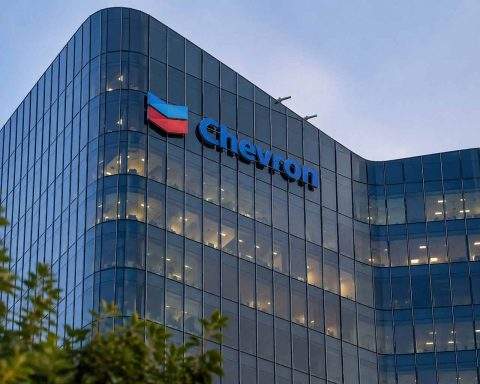
This comes as Chevron heads into its first-quarter earnings with investors already skittish about possible swings in near-term profits. Last week, the company flagged in a filing that so-called “timing effects”—accounting mismatches triggered when hedges and inventories are marked to market before the underlying shipments arrive—might shave $2.7 billion to $3.7 billion off after-tax earnings, with most of the hit expected in the downstream segment, Chevron’s refining and marketing arm. Chevron Corporation
Chevron slipped 3.8% to $180.99 around 12:25 p.m. EDT. Exxon Mobil declined by 5.1%, and ConocoPhillips surrendered 6.1%. Brent slid to $87.94 a barrel, with U.S. crude last at $83.33, as traders wagered that Gulf flows would remain steady.
UBS analyst Giovanni Staunovo flagged Iran’s announcement as a signal for de-escalation, but only “as long as the ceasefire is in place.” He also pointed out that a real shift hinges on tanker flows resuming, not just statements. For Chevron, that nuance nearly matches the headline in importance. Reuters
Chevron noted that the bulk of the timing impact is likely to reverse in upcoming periods. In the same filing, the company disclosed a legal reserve between $350 million and $400 million tied to its downstream unit. First-quarter results are slated for release on or about May 1.
The legal climate just turned for Chevron. In a unanimous 8-0 decision, the Supreme Court allowed lawsuits from Louisiana parishes—those targeting oil companies over coastal damage—to shift to federal court. That’s a big recalibration, coming after a state-court jury hit Chevron with a $744.6 million verdict last year to Plaquemines Parish.
The stock shift underscored a split with international peers. Reuters noted European giants’ trading units pulled in at least $2.5 billion during Q1, capitalizing on Iran war volatility. Chevron and Exxon, meanwhile, flagged that derivatives timing and undelivered shipments could drag short-term performance. “U.S. majors have traditionally treated trading as an optimisation tool to avoid large swings in quarterly earnings,” said consultant David Hewitt. Reuters
Outside of oil names, investors saw Friday’s action as a positive. Stocks pushed higher, bond yields slipped, and easing crude prices helped cool inflation fears. ING’s Carsten Brzeski noted the reopening could take some pressure off oil and, in time, help consumers too.
But that upbeat mood might not last. Iran insisted vessels coordinate with the Islamic Revolutionary Guard Corps; the U.N. shipping agency hadn’t yet confirmed if the restart respected freedom-of-navigation rules. Plus, a U.S. Navy alert flagged that the mine threat in parts of the strait remains “not fully understood.” Reuters
Crude prices might snap back fast if tanker movements remain inconsistent or the ceasefire falls apart, which could shift sentiment on Chevron in a hurry. But at the moment, what’s grabbing investors’ attention is simple—the recent drop in oil is squeezing near-term gains for major producers.
Related articles: NYSE:CVX