
New York, April 27, 2026, 08:03 EDT
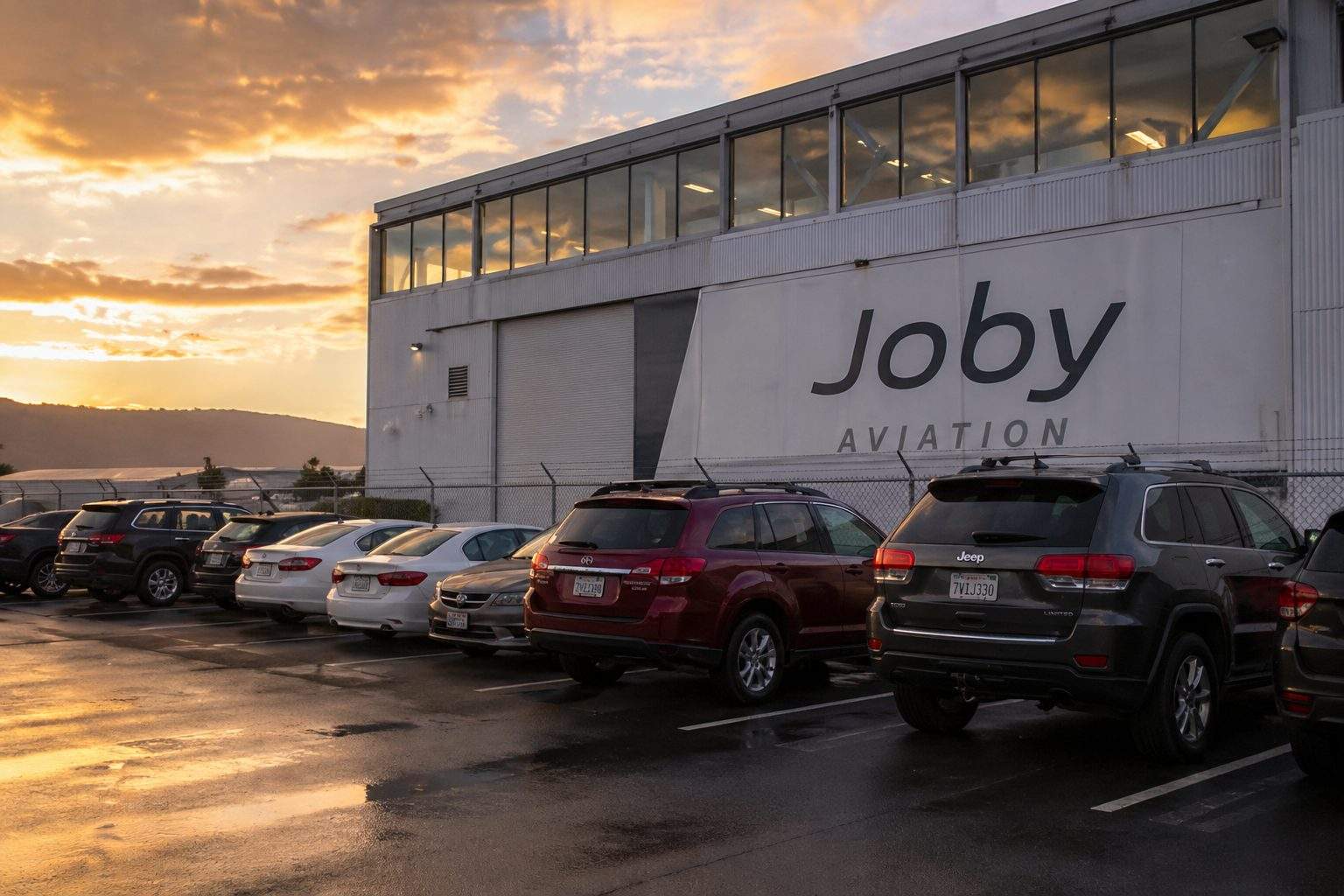
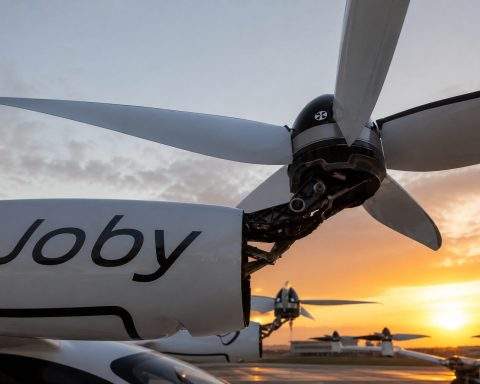
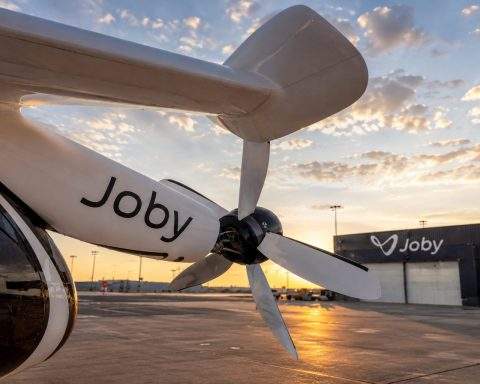
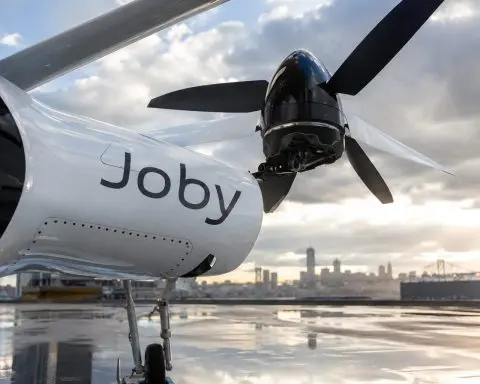
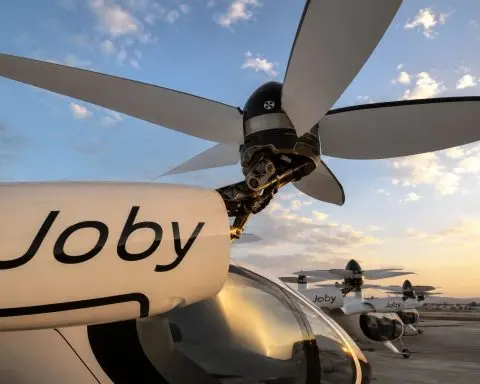
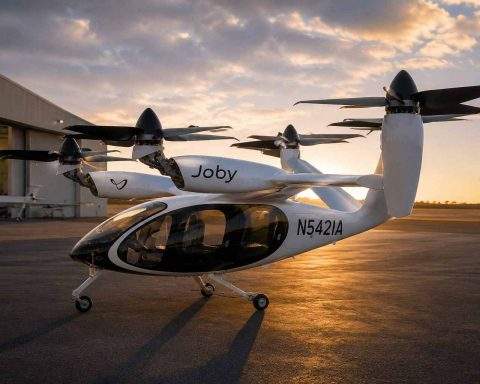
Joby Aviation on Monday reported it pulled off New York City’s inaugural point-to-point flights using an electric vertical takeoff and landing air taxi, flying its battery-powered craft from John F. Kennedy International Airport out to Downtown Skyport, then over to the West 30th Street and East 34th Street heliports. These eVTOLs lift straight up like helicopters. According to Joby, that same JFK route—typically a 60- to 120-minute slog by car—would take just seven minutes in the air.
This is what puts the flights squarely on investors’ radar. For Joby, the big hurdle now is shifting the conversation—from talking up prototypes and certification milestones to drilling down on routes, actual noise levels, and whether anyone’s booking rides. Shares traded at $8.50 ahead of Monday’s open, still hanging about 58% below the $20.39 all-time closing high The Motley Fool reported for Aug. 4, 2025.
Joby founder and CEO JoeBen Bevirt called the JFK-to-Manhattan flights a glimpse of “what’s coming” as part of the White House-backed eVTOL Integration Pilot Program, or eIPP. Port Authority Executive Director Kathryn Garcia struck a different chord, describing the flights as “one data point” in the region’s broader review of electric aviation. StreetInsider.com
Joby is stepping up its presence in New York, following its 2025 acquisition of Blade Air Mobility’s passenger business. The deal, valued as high as $125 million according to Reuters, handed Joby access to Blade’s customer base, airport-city logistics expertise, and lounges in New York and other cities. Blade’s key locations at JFK, Newark and Manhattan were also part of the transaction.
Joby flagged 2026 as a potential turning point for its business. Back in February, the company laid out plans to fly its first passengers in Dubai within the year and kick off initial U.S. eIPP operations. Joby projected a $1.4 billion cash and short-term investment balance at the end of 2025, plus a fresh $1.2 billion added in February. “2026 will mark a key inflection point,” CEO Bevirt said. Business Wire
Federal policy has tightened the competition. The FAA and Transportation Department picked eight eIPP projects spanning 26 states. Among them: a Port Authority of New York and New Jersey initiative involving Archer, BETA, Electra, and Joby. The FAA said data from these projects will inform rulemaking for scaling advanced air mobility.
Archer stands out as the closest listed U.S. rival. Back in March, the company set its sights on launching passenger flights in 2026 and announced full FAA acceptance for all its “Means of Compliance”—the benchmarks required to confirm airworthiness. Liquidity ended 2025 at roughly $2 billion. Archer projected a first-quarter adjusted EBITDA loss somewhere between $160 million and $180 million. Archer Aviation
Investor sentiment isn’t where it was. A year back, a 24/7 Wall St. column leaned toward Archer over Joby, but the tables have turned. Joby’s gotten more credit from investors lately, thanks to revenue visibility tied to Blade, while Archer’s still working through certification—commercial momentum hasn’t followed yet.
MarketBeat breaks down the eVTOL landscape as a divide in strategy: Joby wants to run the whole show—aircraft, service, even the customer touchpoints. Archer, on the other hand, brings in big partners like Stellantis and United Airlines. Vertical Aerospace? It’s sticking closer to a classic manufacturer route. So, the field isn’t just about who gets airborne, but who nails the money and the rollout.
The risks here are tough to ignore. Joby hasn’t secured FAA type certification for commercial eVTOL flights, and the Dubai launch date isn’t locked in—delays are possible. Shares also face dilution, hefty spending, and the market’s shifting taste for growth names as rates move. The Motley Fool cautioned that further setbacks might prompt analysts to lower their short-term forecasts.
The demo on Monday stops short of answering if Joby shares are worth buying. What it does do: it surfaces the next hurdle for Joby and rivals—turning a photo-op flight above Manhattan into a certified, reliable, paying operation, instead of one more one-off.
Related articles: NYSE:JOBY

![US Stock Market Today 08/25/2026 [UPDATE: 02:14 EDT] [Sandisk Jumps as QQQ Clears $710 Overnight]](https://ts2.tech/wp-content/uploads/2026/08/US-market-dashboard-2026-08-25-0208-480x384.jpg "US Stock Market Today 08/25/2026 [UPDATE: 02:14 EDT] [Sandisk Jumps as QQQ Clears $710 Overnight]")