
NEW YORK, May 3, 2026, 13:01 (EDT)
- Coherent ended Friday’s session up 3.1% at $329.50. After hours, the stock was last seen at $332.00.
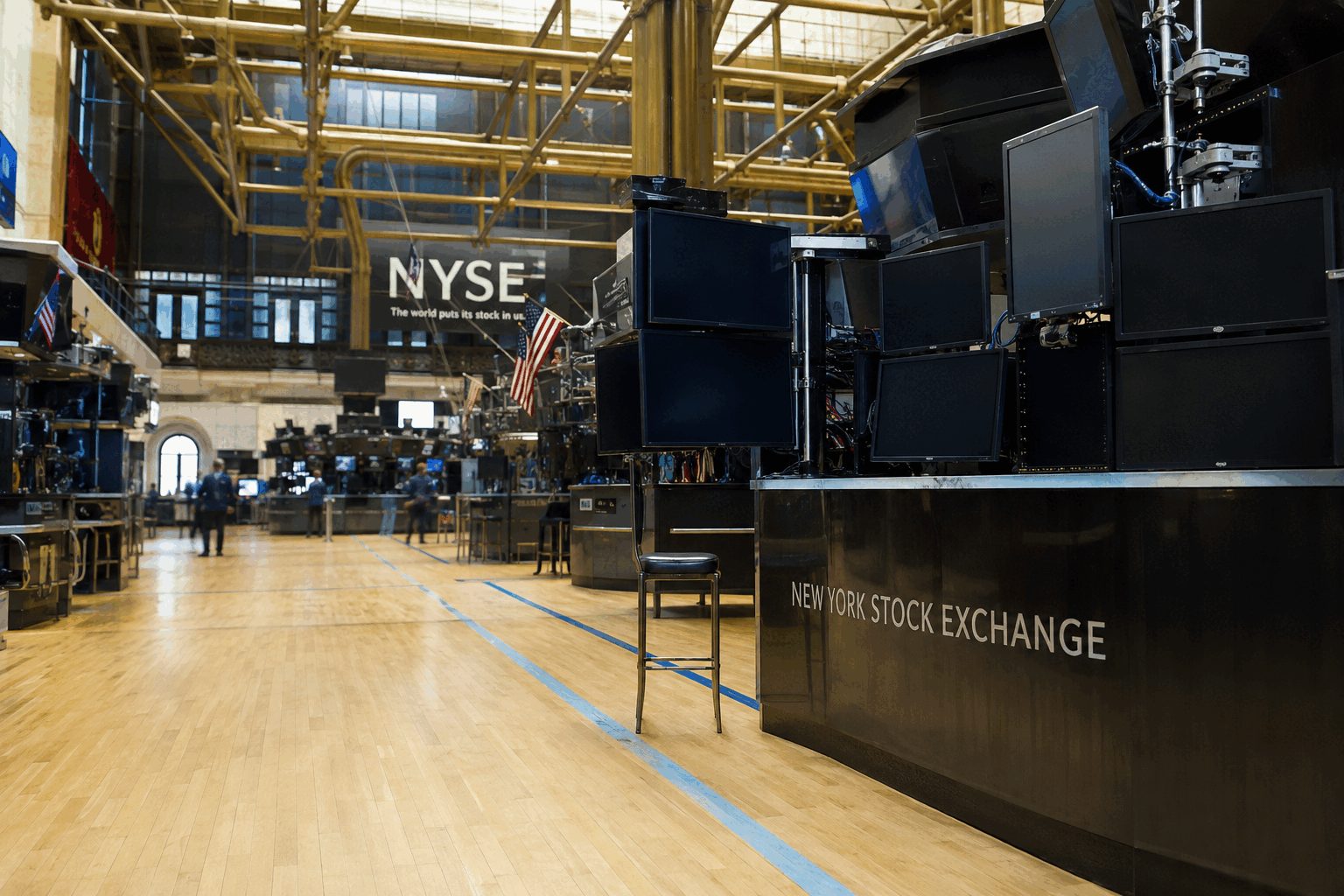
- Fiscal third-quarter numbers from the company are set for release after the New York Stock Exchange shuts its doors on Wednesday.
- AI data-center demand remains the key question for investors: can it continue to boost Coherent’s optics sales, and if so, will cash flow and margins hold up?
Coherent Corp. heads into a crucial earnings stretch with some momentum: shares climbed Friday, raising the stakes for Wednesday’s fiscal Q3 results from the high-profile AI optics player. The stock finished at $329.50 on May 1, a 3.1% gain, then ticked up to $332.00 after hours.
Timing is key here. Coherent plans to release earnings for the quarter ending March 31 after the NYSE wraps up on May 6, with a webcast slated for 4:30 p.m. ET. Investors will be watching closely for any signs that AI data center orders are still outrunning capacity, costs, and how customers are scheduling projects.
Photonics is getting Wall Street’s attention right now—a technology that pushes data via light instead of just electricity. For AI data centers, that’s typically optical transceivers and similar hardware, letting servers and chips shuttle massive volumes of information faster and sometimes with less energy involved.
Coherent pops up on Kiplinger’s weekly calendar for Wednesday’s post-market earnings, with analysts eyeing $1.40 a share. That’s the current estimate—worth noting, since last quarter’s non-GAAP EPS landed at $1.29. As always, the headline figure only tells part of the tale.
Coherent’s December quarter revenue reached $1.69 billion, a 17% jump from the previous year. CEO Jim Anderson attributed the gains to “strong demand” coming from the datacenter and communications segment. CFO Sherri Luther noted that capital investment was ramping up to keep pace. Coherent Inc
A securities filing spells out the reason this segment matters to the stock: Datacenter and Communications brought in $1.21 billion for the quarter ending Dec. 31, up 34%. On the other hand, Industrial revenue dropped 10% to $478 million, with most of that decline tied to the aerospace and defense unit sale.
The main story here is Nvidia. Back in March, Nvidia committed $2 billion apiece to Coherent and Lumentum, agreeing to major purchase deals and securing rights to their latest laser and optical networking gear. Reuters reported Nvidia’s move aimed at strengthening its data-center chips—tech that lines up with the demands of faster AI processors.
Coherent’s agreement tightened its link to the AI hardware supply chain, but it also upped the bar for execution. Investors now want to see actual shipped revenue, not just growing backlog, and proof that the new manufacturing capacity ramps up without squeezing margins.
Rothschild Redburn kicked off coverage on Coherent this May 1, rating the stock Buy and setting a price target of $455. The analysts pointed to what they see as strong demand for optical transceivers, co-packaged optics, and optical circuit switches. Co-packaged optics pull optical links closer to chips, while optical circuit switches manage how light signals move within networks. Still, the firm noted a couple of risks: Coherent’s broader strategy could mean stiffer competition, and it’s possible their optical-switch revenue lags behind Lumentum’s.
Cash is shaping up as another problem for Coherent. In its most recent quarter, operating cash flow slid to $104 million over the six months through Dec. 31, down from $340 million the prior year—rising inventories and receivables outpaced revenue gains. The company also boosted property, plant and equipment spending to $258 million.
There’s not much wiggle room for guidance here. If the numbers come in strong, that’s likely to reinforce the argument that AI optics is turning into a lasting growth play for Coherent. But any slip—whether in the headline or in how management talks about customer schedules—could quickly pivot the discussion back to valuation, capital outlays, and just how much Nvidia-driven demand is already baked into the stock.