
WATERLOO, Ontario, May 4, 2026, 08:02 (EDT)
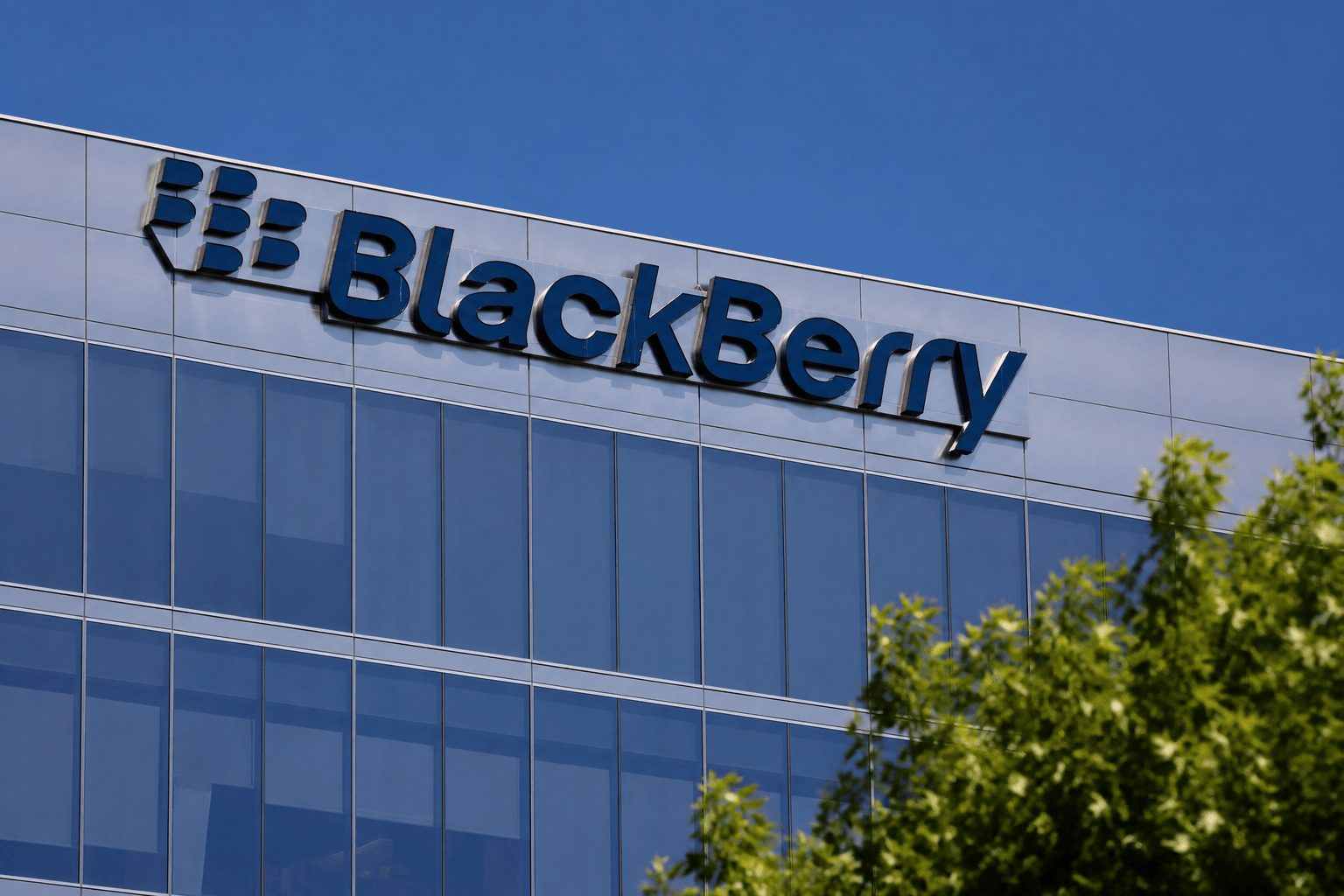
BlackBerry stock surged Monday, gaining 13% in premarket trading after a Wall Street Journal feature sparked renewed interest in QNX—its embedded software arm used in vehicles, healthcare settings, and industrial applications. The article put a spotlight on BlackBerry’s pivot away from smartphones, focusing on its move toward higher-margin software, Investing.com noted.
Why does it matter? BlackBerry’s business has already shifted, even if perception lags behind. Phones are history for the company—now, all eyes are on QNX. That’s the software at the core, a real-time operating system engineered for environments where every millisecond counts and breakdowns just aren’t an option.
QNX makes up roughly half of BlackBerry’s revenue now, embedded in 275 million vehicles and running systems like collision alerts, blind-spot monitoring, and adaptive cruise, the Journal reported via Investing.com. BlackBerry’s QNX segment just posted its highest-ever quarterly revenue, barely a month ago.
BlackBerry posted a fourth-quarter revenue figure of $156.0 million, marking a 10% year-over-year gain. QNX, the company’s embedded software business, brought in $78.7 million in revenue for the quarter, up 20%. BlackBerry added that QNX’s royalty backlog—the total of future royalty payments tied to software usage—reached around $950 million.
BlackBerry is out of its transition phase and now sees itself as a bona fide growth story, CEO John J. Giamatteo said in the April results release. “A growth company with a proven track record of execution,” is how Giamatteo put it. He emphasized QNX gains not just in autos but also in sectors like robotics and physical AI. WebDisclosure
That’s where investors are focusing: BlackBerry, long known for its pocket email gadgets, is once again being measured—not for its hardware, but for behind-the-scenes software that, while invisible to most consumers, could prove essential to carmakers and industrial buyers.
John Wall, who heads QNX, said in an interview with the Journal that most people aren’t familiar with the company. “If I tell them I work at QNX,” he said, “they don’t know what that means,” the Journal reported. The Wall Street Journal
The competitive pressure isn’t letting up. Wall told the Journal the unit stepped back from car infotainment, feeling the squeeze from Google and Apple, and pivoted to safety-critical platforms embedded further inside vehicles.
BlackBerry’s filings indicate QNX isn’t just about autos anymore. The division, according to the company, now builds software that goes into everything from cars to medical devices, robotics, and industrial automation. Roughly 20% of QNX’s revenue in fiscal 2026 came from non-automotive embedded systems.
Meanwhile, Secure Communications—the company’s other main segment—held its ground in the latest quarter. BlackBerry reported that revenue in this unit climbed 8% to $72.5 million, citing growing interest in digital sovereignty. That’s the industry’s way of describing efforts by governments and organizations to keep control of sensitive data and communications under their own laws.
Still, there’s plenty that could trip up the rally. BlackBerry has cautioned that fierce competition, shifts in government buying, and lengthy sales cycles could dent its results, while growing its software client roster isn’t guaranteed. QNX design wins? Those may take years before they actually appear in vehicle production revenue.
Right now, investors are latching onto something straightforward: BlackBerry isn’t gone. Instead, it’s just shifted out of sight.
Related articles: Technology





![Australia Stock Market Today 26/08/2026 [UPDATE: 10:37 AEST] [Woolworths and Lovisa Lift ASX Before CPI]](https://ts2.tech/wp-content/uploads/2026/08/AU-market-dashboard-2026-08-26-1037-480x384.jpg "Australia Stock Market Today 26/08/2026 [UPDATE: 10:37 AEST] [Woolworths and Lovisa Lift ASX Before CPI]")