
Stockholm, May 4, 2026, 14:02 (CEST)
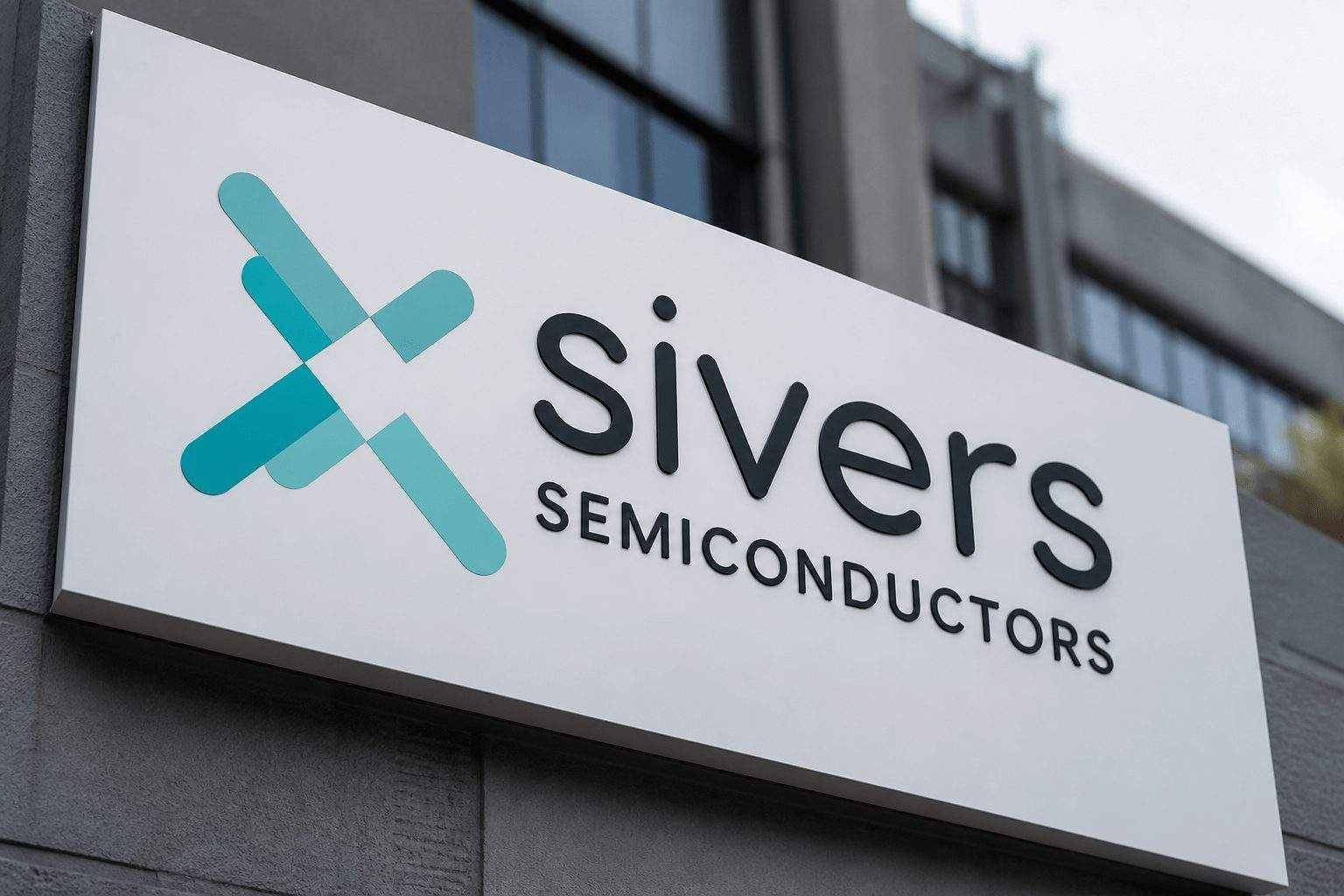
Sivers Semiconductors AB surged nearly 33% in Stockholm on Monday, with shares quoted at about SEK 50.50 to 50.75 in early afternoon deals. The rally comes as investors shrugged off news of a postponed annual report, zeroing in on an upcoming shareholder vote that could pave the way for a capital raise and potential U.S. listing.
This comes into play as shareholders have until Tuesday to inform the company if they’re planning to show up or vote by mail at Sivers’ extraordinary general meeting on May 11. The agenda: a directed share issue, essentially a private placement targeting institutional and qualified investors.
Sivers is delaying its 2025 annual report, shifting the release to May 15 from April 27. The company cited the need for additional time to complete audit work tied to a potential Nasdaq New York dual listing. Sivers still plans to publish its first-quarter results on May 20.
Kista’s semiconductor firm hasn’t added any updates to its site since the April 24 notice about delaying its annual report. The most recent items there are still mid-April disclosures: the share issue, shareholder meeting, and a Nasdaq New York review.
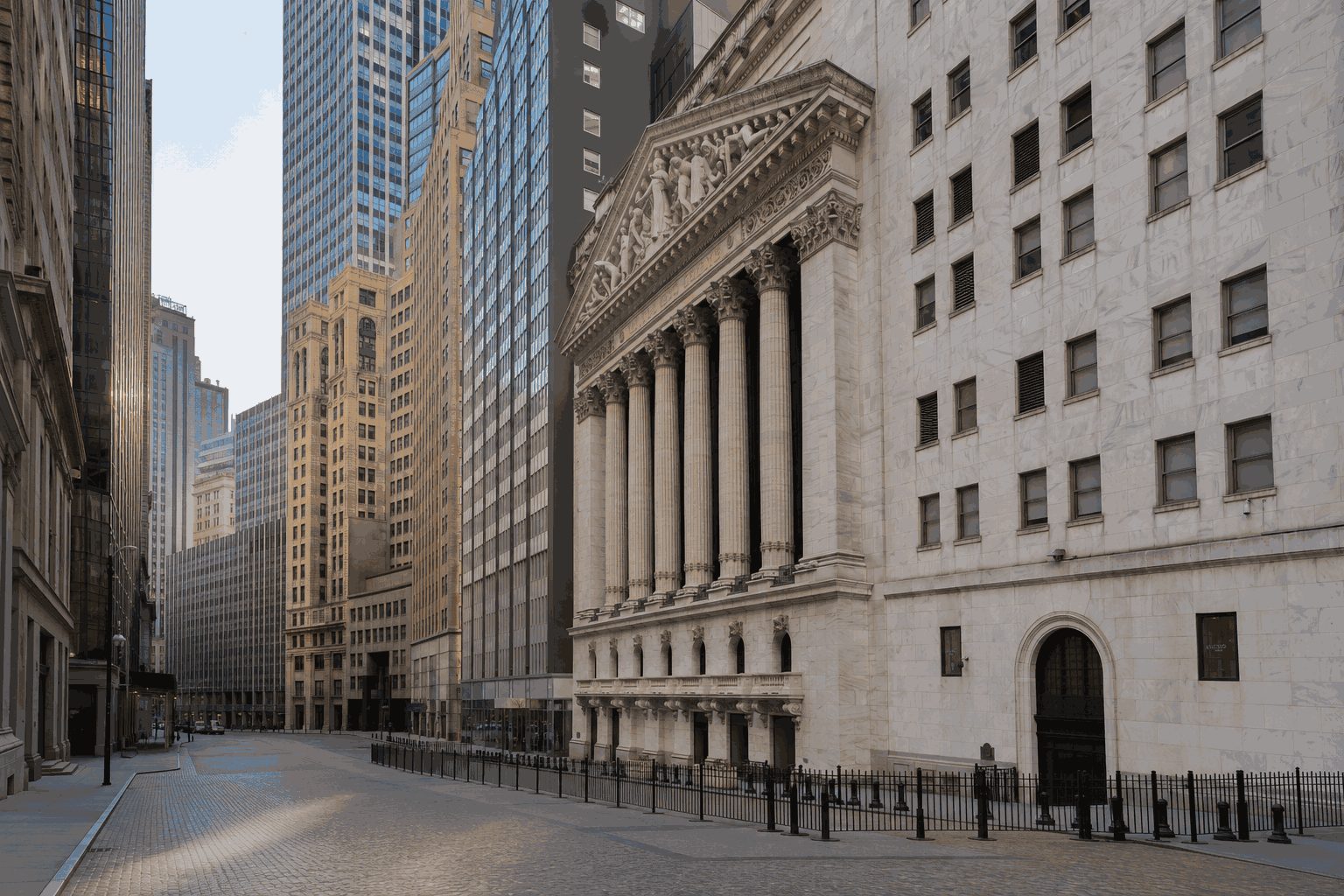
Sivers said the move to review a U.S. listing is aimed at giving the company better access to “tech-centric” U.S. capital markets without shifting its base from Sweden. To prepare, Sivers is working to align its consolidated accounts for 2024 and 2025 with PCAOB standards—the same audit rules required for firms trading on U.S. exchanges. Sivers Semiconductors
Sivers said it plans to raise roughly SEK 125 million before costs, offering 8.62 million ordinary shares at SEK 14.50 apiece. Investors listed include DNB Disruptive Opportunities, DNB Nordic Small Cap, and Storebrand Sverigefond.
The company says the placement, if it gets the green light, would shrink current holders by roughly 2.5% on a fully diluted basis. According to the board, a directed issue moves quicker, skips the hassle of a rights issue, and should pull in new investors.
Investor attention is part of a broader surge into optical tech for AI data centers. Back in April, Sivers announced Jabil’s plans for a 1.6T linear receive optical transceiver, built with Sivers’ distributed feedback lasers. That 1.6T? It’s 1.6 terabits per second of throughput.
“A hard requirement”—that’s how Alex McCann, managing director of Sivers’ photonics business, describes energy efficiency in AI infrastructure. Jason Wildt, Jabil’s VP and GM of photonics, says customers are after “more bandwidth without increasing power consumption.” Sivers Semiconductors
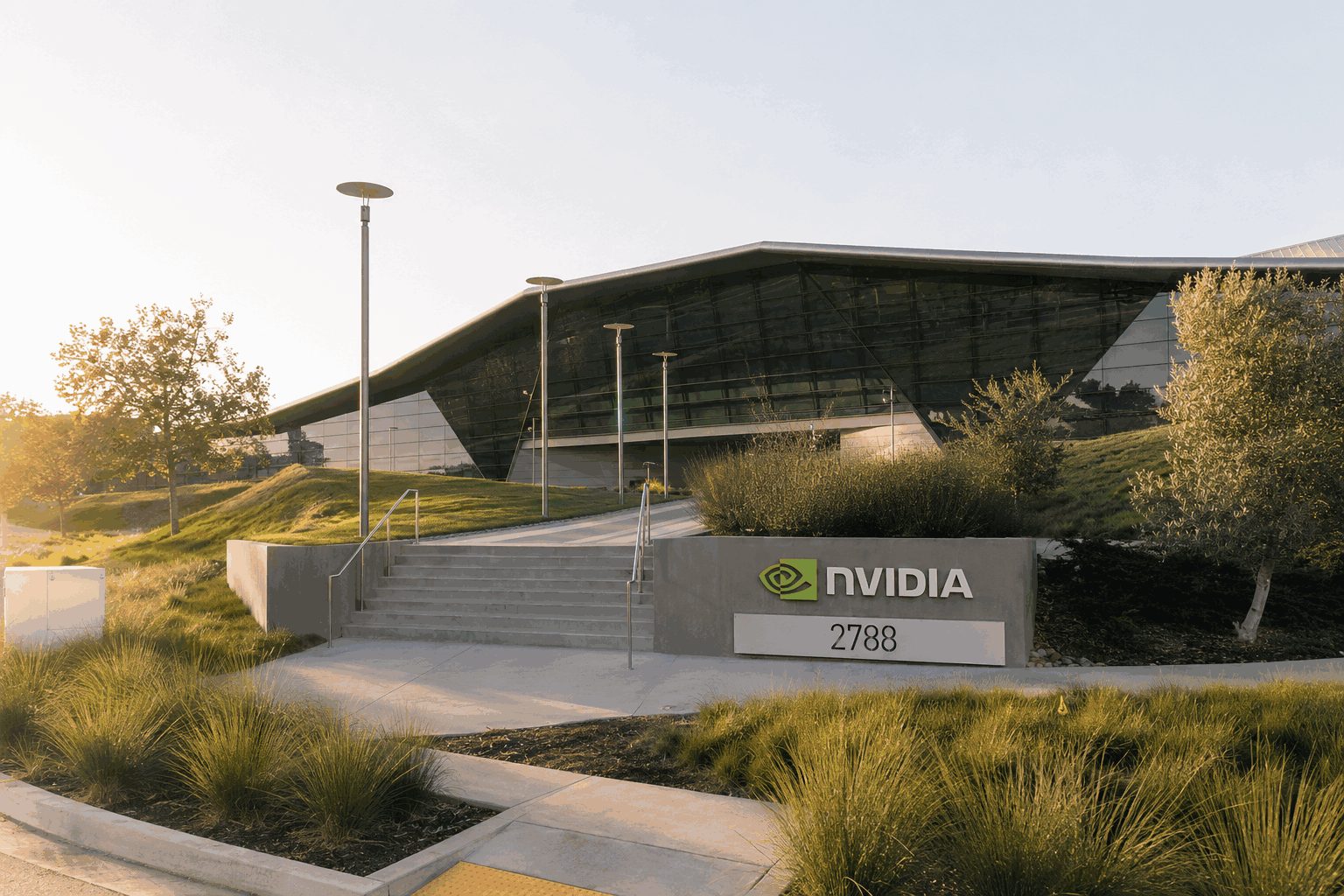
Competition is heating up. In March, Nvidia announced $2 billion investments in both Lumentum and Coherent—two bigger names in the broader AI networking supply chain. The deals also locked in purchase commitments with the optical technology firms.
Sivers remains in the red. For 2025, net sales rose 25% year-on-year to SEK 304.1 million, but the company recorded a SEK 186.5 million loss after tax. By the end of the fourth quarter, Sivers was down to SEK 43.5 million in cash.
Investors face a rally built on unfinished business: shareholder approval for the share issue is pending, the company’s U.S. listing is still just under consideration, and ongoing audit reviews might alter revenue timing, inventory figures, or share-option costs. Sivers maintains that any potential changes wouldn’t have a material effect on its financials or performance.
Related articles: Nasdaq