New York, May 6, 2026, 06:39 EDT
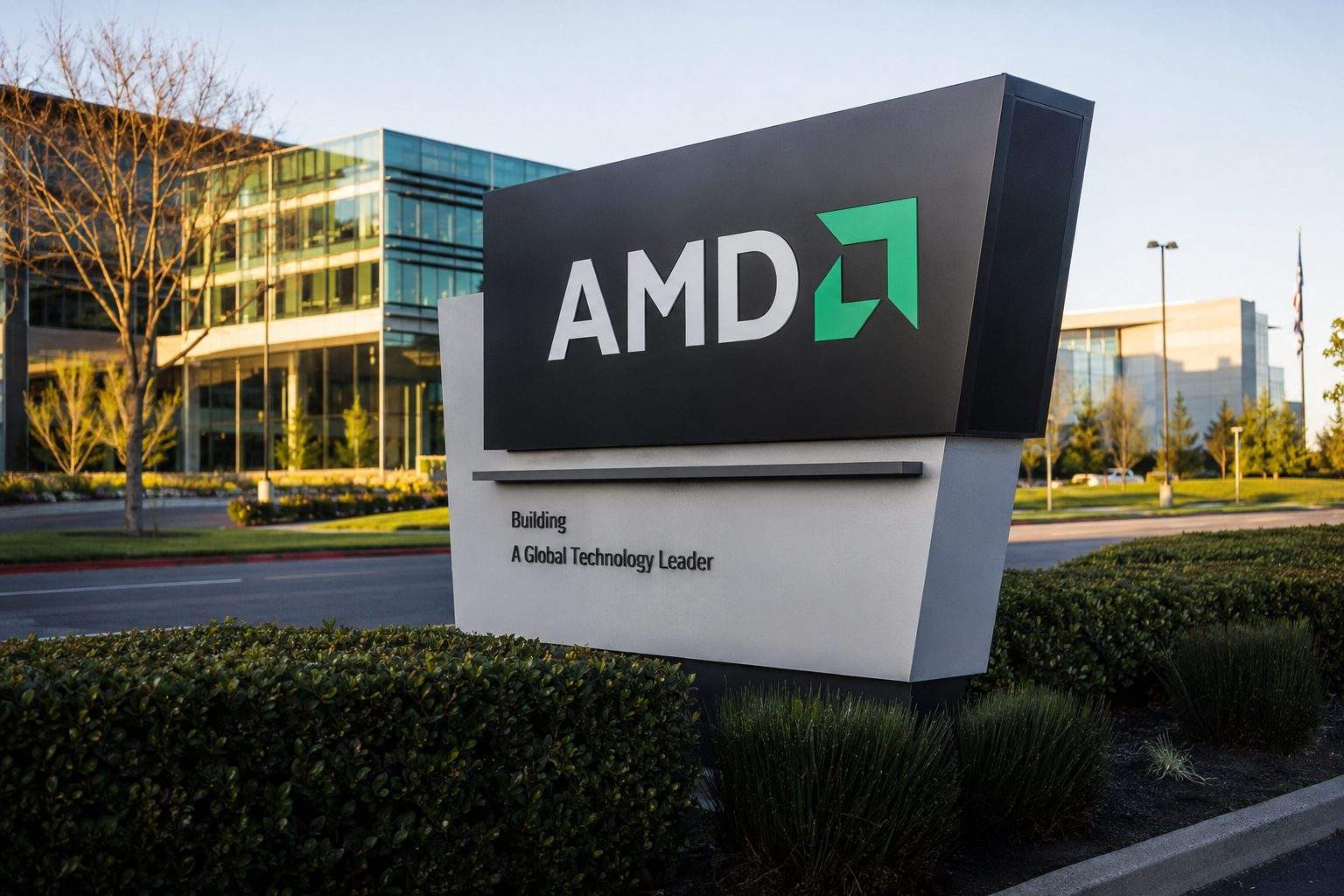
Advanced Micro Devices surged close to 18% before the bell on Wednesday after delivering a revenue outlook that topped Wall Street estimates, spurring gains across the chip sector. If these gains stick, AMD could notch a new all-time high. Intel climbed 6% premarket, Arm was up 11%, and Qualcomm tacked on roughly 4%.
This shift is grabbing attention as investors look past Nvidia’s graphics chips and start piling into the broader artificial intelligence story. AMD is signaling to Wall Street that it’s not just about GPUs anymore—CPUs are seeing fresh demand, too. As companies pivot from building AI models to actually deploying them in real-world products and services, these general-purpose chips are picking up steam.
AMD is looking for second-quarter revenue to land around $11.2 billion, give or take $300 million—topping the $10.52 billion analysts surveyed by LSEG had in mind. The chipmaker put adjusted gross margin near 56%. For investors, that’s a signal: AI server-chip demand continues to shoulder the rising costs of supply and development.
AMD posted first-quarter revenue of $10.3 billion, marking a 38% jump over the same stretch last year. Adjusted earnings landed at $1.37 per share. The data-center division — now the headline act — surged 57%, hitting $5.8 billion, thanks to strong demand for its EPYC server chips and Instinct GPUs, according to the company.
Lisa Su, the chief executive, pointed to data centers as the “primary driver” behind AMD’s revenue and profit gains this day, highlighting the uptick in demand for AI infrastructure. She added that interest in AMD’s MI450 Series and Helios systems had picked up, with more customer engagement coming through. Advanced Micro Devices, Inc.
AMD has sharpened its outlook on CPUs. CEO Lisa Su now puts the server CPU addressable market rising more than 35% annually, topping $120 billion by 2030—a big jump from the 18% yearly pace AMD predicted back in November.
“AMD story is no longer just about having a GPU pipeline to challenge Nvidia,” said Matt Britzman, senior equity analyst at Hargreaves Lansdown. These days, both CPUs and GPUs are gaining ground as AI workloads ramp up in complexity, he added. Reuters
That hands AMD a simpler story to pitch against Nvidia, the leader in AI accelerators, and Intel, which is fighting to claw back share in server CPUs and fabs. For AMD, Intel’s ambitions have weight—unlike Intel, AMD doesn’t fabricate its own chips, instead depending on partners like Taiwan Semiconductor Manufacturing Co.
Jake Behan, who leads capital markets at Direxion, said the quarter made it clear that demand for AI compute is genuine. Now, though, investors are shifting focus to see whether AMD can actually convert that demand into high-margin revenue. That’s the real challenge.
There’s risk riding along with the rally. AMD shares have raced ahead—up roughly 66% so far this year even before Wednesday’s premarket pop. Reuters points out the stock’s forward earnings multiple now towers over Nvidia’s, even though Nvidia commands a heftier slice of the AI market.
Operational hurdles are also in play. High-bandwidth memory, essential for AI data centers, remains in short supply, putting pressure on the wider chip sector. AMD executives flagged rising memory and component costs as possible headwinds for PC shipments in the latter half of the year. On top of that, the company is bracing for gaming revenue to drop more than 20% compared to the first half.
Right now, the market’s betting that AMD isn’t just trailing behind in AI GPUs—it’s carving out a bigger role as a major supplier for the next leg of AI infrastructure. The challenge: can orders, supply, and margins actually live up to what investors are now pricing in?