
New York, May 13, 2026, 04:36 EDT
- Nasdaq 100 futures popped 255.75 points to 29,425.75 early, as of 4:15 a.m. EDT. S&P 500 futures moved up 25.50 points. Dow futures, on the other hand, edged down 29 points.
- Fresh interest in AI and a halt to oil’s climb are driving the rebound—not the prospect of a looser Fed. April’s CPI came in 3.8% higher than a year ago, with energy prices jumping 17.9%.
- Bulls remain focused on earnings and AI-driven capex. On the other side, bears flag persistent energy inflation, climbing yields, and prediction markets pricing in almost 98% odds for a Fed “hold” in June. DeFi Rate
U.S. stock futures show a mixed setup ahead of the bell. Nasdaq 100 futures jump nearly 0.9% on Bloomberg’s board, shouldering most of the early strength. The Dow slips a bit. That gap spells it out—investors are chasing the AI bounce, not broad exposure.
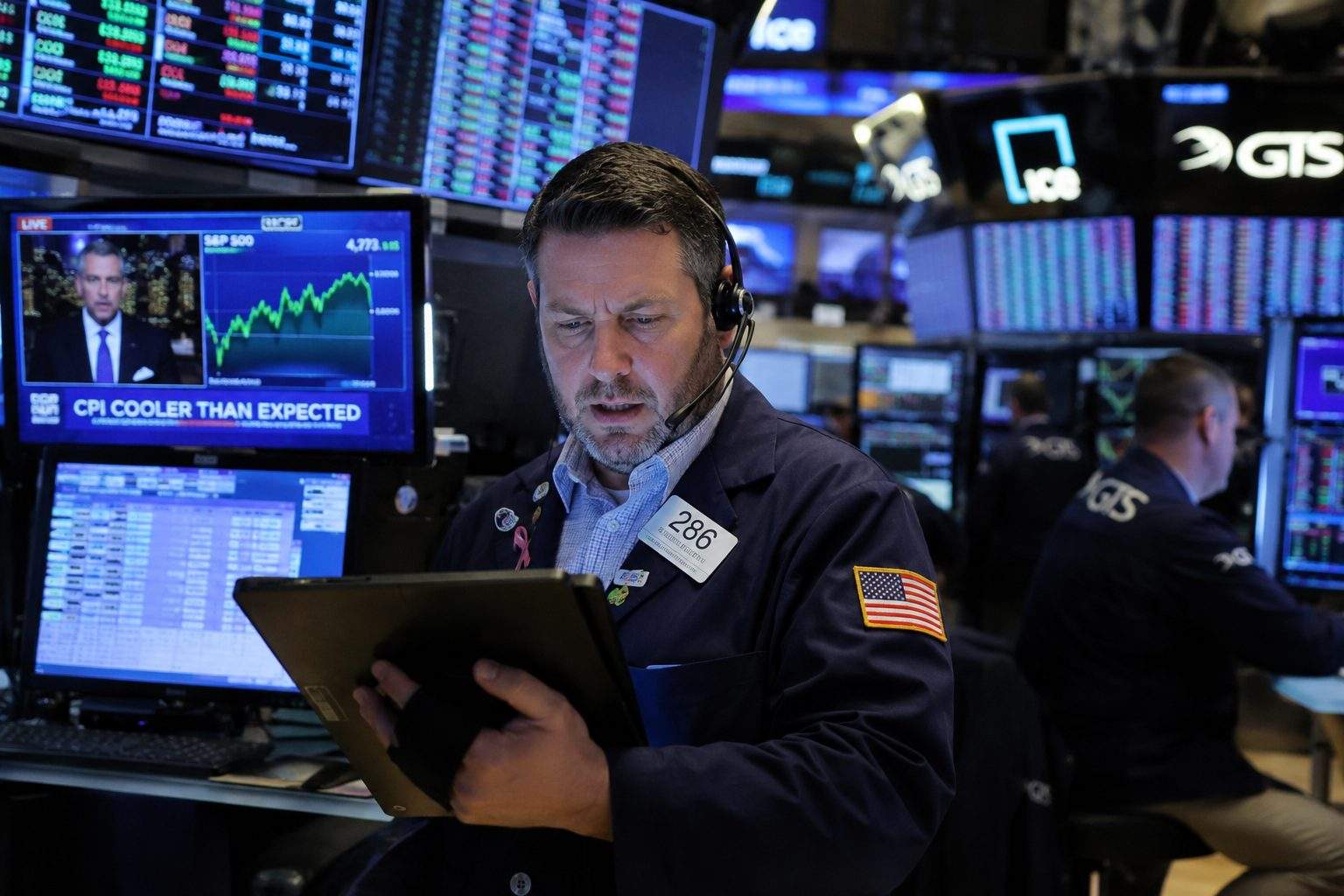
This shift lands less than 24 hours after a strong inflation print dragged the S&P 500 and Nasdaq down from their records. Index futures — those premarket contracts hinting at where indexes might open — suggest Tuesday’s tech rout may have overshot. Still, nobody’s calling the inflation issue resolved.
Oil and interest rates are front and center here. Brent crude eased off, but price-wise, it’s still sitting north of $100 a barrel. The latest CPI numbers put the impact in sharp relief: headline inflation climbed 0.6% in April, taking the annual pace to 3.8%. Strip out food and energy, and core CPI moved up 0.4% for the month.
This is what drove the moves Tuesday—bond yields climbing, the dollar steadying, pricey growth stocks getting knocked down. Higher Treasury yields mean investors have alternatives to equities, so tech with lofty valuations gets pressure to deliver better earnings. By early Wednesday, the 10-year yield hovered around 4.46%, back near the level where stock market valuation debates tend to flare up.
AI stocks are once again softening the blow for markets. Investors in Asia snapped up exporters tied to artificial intelligence, sending regional shares higher overnight. According to Reuters, S&P 500 e-mini futures nudged up during the same stretch. Nomura analysts pointed to solid AI-fueled export numbers out of South Korea, Japan, Singapore, and Malaysia, which are offsetting higher energy costs.
This rally leans on a slim group. Nvidia still leads the way, but stocks like Intel, Micron, and Qualcomm remind investors just how fast chip names can drop when rate jitters hit. The Philadelphia Semiconductor Index dropped 3% on Tuesday, despite its huge 65.4% run-up this year thanks to AI hype.
The bull pitch isn’t about “rate cuts are back.” It’s more straightforward: earnings haven’t wobbled, AI-driven capex remains legitimate, and with oil prices on pause, risk appetite gets some breathing space ahead of fresh data. Tim Urbanowicz at Innovator ETFs points out that as long as the 10-year holds under 4.5%, yields aren’t “a meaningful headwind for equities.” Reuters
Oil-driven inflation acts like a tax on households and forces the Fed’s hand, skeptics warn. “Inflation is not getting any better unless oil prices go down,” said Jay Hatfield of InfraCap. Persistent energy prices don’t just stick to gasoline and flights—they bleed into wages, shipping, utilities, and company margins. Reuters
Bets on the Fed’s next move? Prediction markets are siding with the hawks on policy. According to DeFi Rate’s aggregator—which tracks Kalshi, Polymarket, and Gemini—there’s a hefty 97.5% probability the Fed stands pat on rates this June. Polymarket’s showing 97.6% for no change, with Kalshi just a notch lower at 96.5%. As for 2026, Polymarket’s pricing in a 57% shot that the Fed won’t cut at all, per the same feed.
Earnings from individual names continue to prop up parts of the market. Zebra Technologies bumped up its 2026 sales growth outlook, now projecting a 10%–14% gain. The company pointed to faster momentum in e-commerce, automation, and what it calls “Physical AI”—that’s AI deployed in equipment like machines, scanners, and robots, rather than just digital models. Reuters
Earnings season’s flip side can bite. Hims & Hers stumbled after betting on branded weight-loss drugs, a move that brought heavier costs and an unexpected loss. As Reuters pointed out, the company pivoted away from less expensive compounded GLP-1 treatments, instead favoring brands like Novo Nordisk’s Wegovy. That dynamic isn’t lost on rivals—Novo Nordisk and Eli Lilly have reclaimed the lucrative core of the obesity-drug market.
Before markets open, April’s Producer Price Index is due at 8:30 a.m. ET—a read on business-level prices ahead of the consumer. If the PPI comes in soft, Nasdaq futures might keep their footing. But a stronger-than-expected number could quickly flip the mood, reigniting debate over whether traders have leaned too far into AI-driven optimism and discounted inflation threats.
Related articles: Inflation