
SUGAR LAND, Texas, May 7, 2026, 16:01 CDT
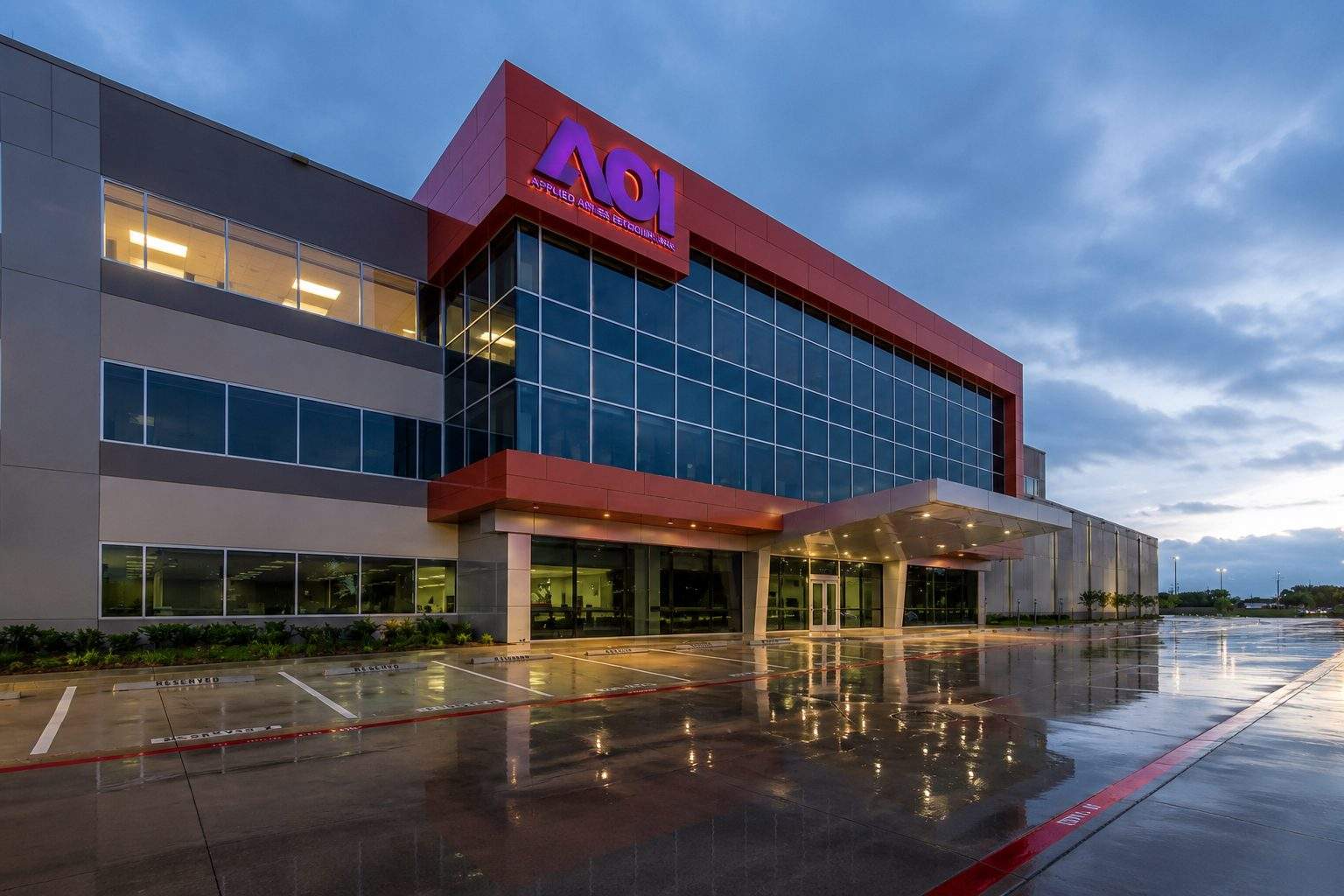
Shares of Applied Optoelectronics dropped over 10% in early after-hours moves Thursday, as the optical-networking firm turned in first-quarter revenue and a second-quarter forecast that both missed analyst expectations—taking some air out of what’s been a popular AI-infrastructure play. Still, revenue increased 51% from the prior year, coming in at $151.1 million.
This shift is notable: Applied Optoelectronics—ticker AAOI—has emerged as a focal point for investors tracking high-speed optical links powering AI data centers. The company reported that during the quarter, it wrapped up its first major volume shipment of 800G products to a significant hyperscale client. For context, 800G points to optical transceivers built to push data at 800 gigabits per second through fiber connections.
Investors weren’t thrilled with the miss. AAOI posted an adjusted loss of 7 cents per share, falling short by two cents compared to the analyst view tracked by StreetInsider, and revenue also fell behind the $156.98 million consensus for the quarter. Looking ahead, the company’s second-quarter revenue guidance came in at $180 million to $198 million, which undercuts the $192.6 million consensus midpoint. The outlook for adjusted EPS ranged from a 3-cent loss to a 3-cent gain, while analysts were looking for a 7-cent profit.
Applied Optoelectronics reported a GAAP net loss of $14.3 million, or 19 cents per share. That’s a steeper loss than the $9.2 million, or 18 cents per share, posted a year ago. Gross margin slipped as well, coming in at 29.1%, compared to 30.6% in the prior-year period and 31.2% in the fourth quarter of 2025.
Chief Executive Thompson Lin called the results “in line with our expectations,” pointing to strength in data-center and CATV, or cable television, products. Lin added that the company anticipates an 800G volume ramp kicking off in the second quarter, with revenue rising quarter by quarter throughout the year. More significant growth, he said, should come from the third quarter onward as additional capacity becomes available.
Data-center revenue surged to $81.4 million, up from $32.0 million a year ago, now standing as the company’s biggest segment. CATV brought in $66.8 million, a slight rise from $64.5 million. Telecom and other lines remained minor contributors.
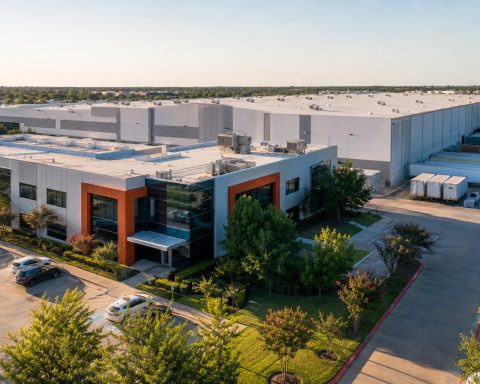
Chief Financial Officer Stefan Murry said AOI delivered its “fourth consecutive quarter of record revenue,” closing the quarter with almost 100,000 800G transceiver units in monthly capacity across its U.S. and Taiwan locations. The company also nearly doubled its Houston-area footprint, picking up more real estate through purchases and new leases.
Expectations were already sky-high ahead of the release. After last quarter, Needham’s Ryan Koontz described AAOI as a “direct beneficiary of soaring optical transceiver demand.” Raymond James’ Simon Leopold, meanwhile, labeled the company’s mid-2027 monthly revenue goal as “very optimistic.” Investors
AAOI faces off with Coherent, Lumentum, and Ciena in the optical networking arena, each exposed to the ups and downs of data-center budgets. Before the latest report, Zacks pointed to those same rivals—highlighting Nvidia ties for Coherent and Lumentum, plus Ciena’s strength in optical-networking demand. Thursday, both Coherent and Lumentum slipped in late trading, according to market data.
Still, the ramp brings plenty of risk. In its filing, the company flagged threats ranging from shrinking customer orders and shipment delays to turmoil in supply chains, over-reliance on a handful of customers, pricing squeeze, tariffs and volatile currencies. Second-quarter non-GAAP gross margin is projected at 29% to 30%; a sluggish 800G rollout would tighten the margin for missteps.
The earnings call is set for Thursday afternoon. Investors will want answers on the pace of capacity expansion in both Texas and Taiwan amid intense AI-fueled demand. Still, the stock sent a clear signal: record revenue just didn’t cut it.
Related articles: NASDAQ:AAOI