
London, May 8, 2026, 00:02 BST
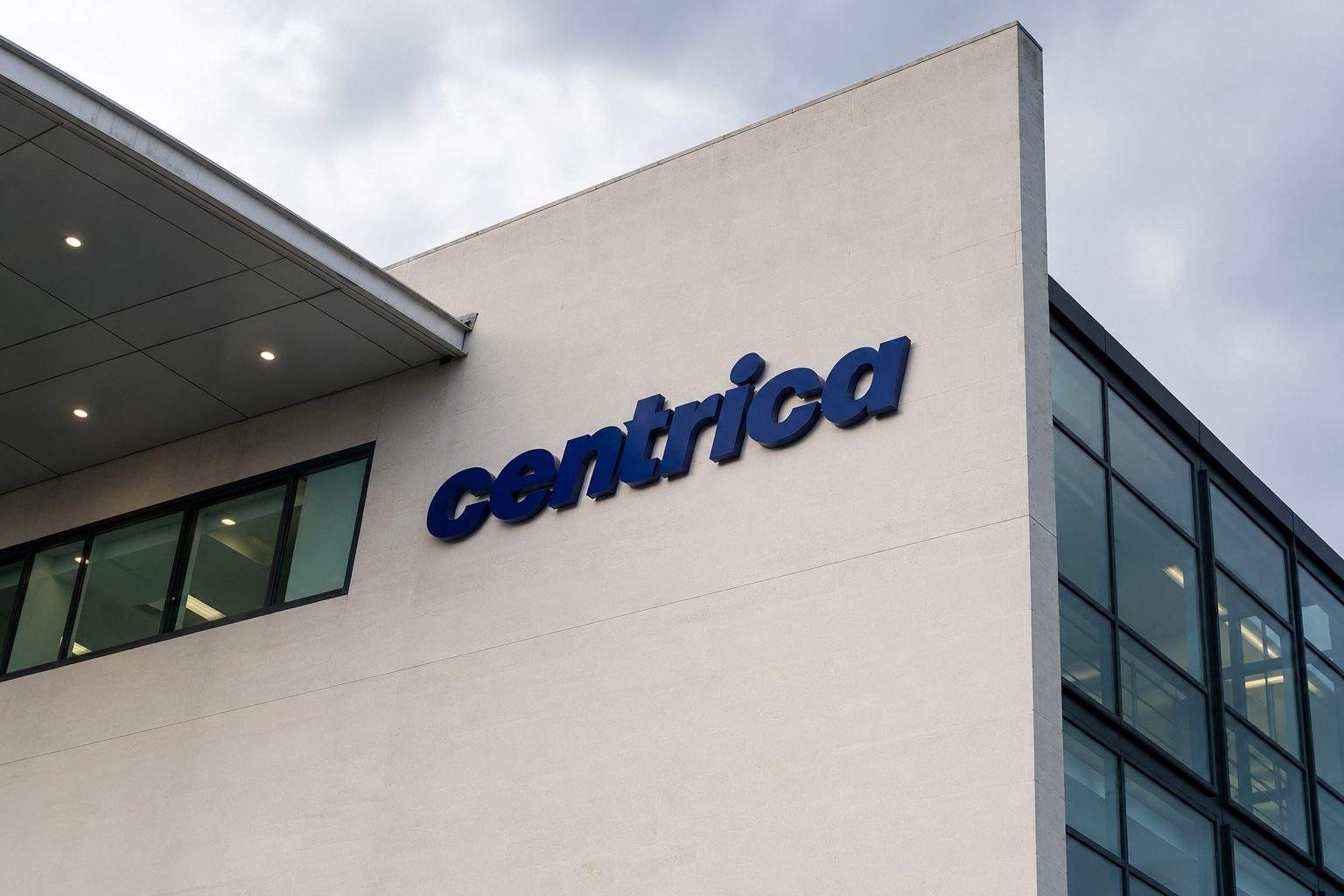
Centrica dropped 5.16% to 198.7 pence on Thursday, as the British Gas parent flagged that retail energy earnings are tracking near the lower end of its 2026 target. That outlook weighed on shares, even with news of a £370 million power-station deal landing the same day.
This update lands as Centrica attempts to reassure investors that reliable infrastructure returns can help blunt the drag from its household energy business, where mild weather and rising bad debts are squeezing profit. The company now sees retail EBITDA — earnings before interest, tax, depreciation and amortisation — tracking toward the bottom of its £500 million to £800 million target, while infrastructure EBITDA is set to come in above the £500 million to £650 million range.
Investors were looking for clearer signs of that change. Hargreaves Lansdown equity analyst Aarin Chiekrie called Centrica’s start to the year “hot-and-cold,” noting that solid infrastructure performance only partly made up for retail weakness; the retail side, he said, is “under a bit of pressure”. hl.co.uk
Centrica has snapped up the 850-megawatt Severn combined-cycle gas turbine plant in South Wales from Calon Energy Group, paying roughly £370 million. Unlike basic gas plants, a combined-cycle setup captures waste heat from the turbine to generate additional power, boosting overall efficiency. With this move, Centrica pushes its UK and Ireland power portfolio to 4 gigawatts—1 GW of that still in planning or being built.
Severn should pull in about £35 million a year in capacity-market payments through 2030, reflecting what operators get for keeping backup power ready for the grid. Starting from 2027, the site is set to add between £30 million and £60 million to annual EBITDA. Centrica plans to cover the acquisition using existing cash, structuring the deal cash-free and debt-free.
Chris O’Shea, the chief executive, described Severn as a “high-quality asset” and argued that reliable, flexible power generation is only getting more critical as the energy transition moves forward. He cited grid-access delays, cost inflation, supply-chain snags and the ageing fleet of gas plants as factors driving up demand for assets like Severn. Investegate
Even so, the stock lost ground. Chiekrie called the acquisition price a “good deal” but flagged concerns—warmer weather and squeezed consumer budgets aren’t things Centrica can manage, and a lot of the company’s supposed long-term advantages already seem to be baked into the current valuation. hl.co.uk
London energy and utility stocks took a hit in a sluggish session. Shell slipped even after posting better earnings, with BP and SSE not far behind as FTSE 100 decliners earlier. Centrica’s retail warning just underscored a wider slump for UK energy names.
Centrica’s shareholders signed off on every item at the AGM—among them a 3.67 pence final dividend, Chris O’Shea’s re-election to the board, buyback authorization, and updated articles of association. That clears the way for management to continue tapping the balance sheet.
There’s a risk the divide between the retail and infrastructure sides could grow before Severn steps in. Centrica flagged its outlook remains vulnerable to swings in weather, commodity prices, regulation, government decisions and tensions in the Middle East. The company anticipates Severn will post a modest net loss in 2026, citing integration and transaction expenses as well as weaker summer revenue.
July 23 brings Centrica’s next test, with interim results on the docket. For now, though, the story boils down to this: a larger power plant and stronger infrastructure give investors something to lean on, yet the household energy side keeps dragging on the share price more than management would prefer.