
NEW YORK, May 11, 2026, 4:17 p.m. EDT
Shares of Intuitive Surgical Inc. slid 6.6% on Monday, dropping as low as $417.80 and pushing the robotic surgery heavyweight to levels not seen in a year or more. By the end of the U.S. regular session, the stock managed to claw back to $420.22. The iShares U.S. Medical Devices ETF also lost ground, down roughly 3%.
The decline stands out, given that Intuitive’s latest earnings didn’t disappoint. For the first quarter, revenue climbed 23% to $2.77 billion. Procedures performed with the da Vinci system jumped roughly 16%. Adjusted earnings per share (non-GAAP) landed at $2.50—those figures exclude share-based pay, certain acquisition expenses, and legal items. CEO Dave Rosa flagged “expanded adoption” across da Vinci, Ion, and the company’s digital platforms. Intuitive Surgical
Even so, investors are pushing to see if that level of growth can actually justify the stock’s lofty price, with tariffs and product safety risks looming large. Intuitive is projecting da Vinci procedure growth to land between 13.5% and 15.5% in 2026, and its guidance for adjusted gross margin already bakes in a tariff impact worth about 1% of revenue. The company flagged the risk that more tariffs could meaningfully hit its 2026 numbers.
The safety concerns are tangible. Last week, the U.S. Food and Drug Administration designated Intuitive’s recall of specific 8mm SureForm 30 Gray Reloads, meant for curved-tip staplers, as a Class I recall—the agency’s most serious level, where use could result in serious injury or death. According to the FDA, Intuitive linked four major injuries and one death to incomplete staple lines affecting blood vessels.
The FDA’s enforcement file indicates the company began the recall on March 11, but it’s still ongoing and has yet to be closed. The agency noted the firm is still investigating the root cause. Impacted items were shipped both across the U.S. and to multiple international markets.
Piper Sandler’s Adam Maeder lowered his price target on Intuitive to $580 from $620 following the first-quarter numbers but stuck with his Overweight rating. He pointed out that both volume growth and system placements surpassed what analysts were expecting, The Fly reported. Wall Street, for now, hasn’t completely moved on.
But not everyone turned cautious. Baird bumped its price target up to $610 from $575, maintaining an Outperform call. Stifel stuck with its Buy and kept its $670 target. The firm pointed out that procedure growth came in around 16%—beating both its own estimates and what the Street had modeled.
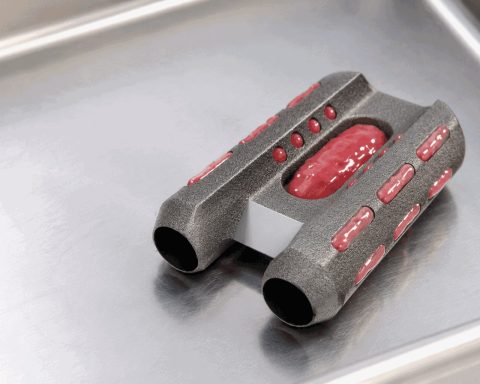
The field’s getting more crowded. On May 5, Johnson & Johnson announced its OTTAVA surgical robot cleared the main safety and performance hurdles in a 30-patient gastric-bypass trial—key for its upcoming FDA De Novo submission, targeting novel device categories. Erik Wilson, lead investigator out of UTHealth Houston and Memorial Hermann-Texas Medical Center, called the data “encouraging evidence” on both safety and efficacy. Still, J&J emphasized OTTAVA isn’t cleared for sale anywhere yet. JNJ.com
Medtronic draws attention, too. Its Hugo robotic-assisted surgery platform is now present in over 35 countries, according to the company. Back in February, Medtronic announced that Cleveland Clinic performed the first commercial procedure with Hugo in the U.S. On Monday, Medtronic shares slipped roughly 2.1%, while Johnson & Johnson barely budged—both faring better than Intuitive.
There’s a chance the market’s demand for a lower multiple is justified. Any broader tariff impact, a recall that drags on, hospitals holding back on purchases, or an accelerated push by J&J and Medtronic could all weigh on margins or slow the procedure growth that Intuitive has projected.
Monday’s action was straightforward: robust Q1 results weren’t enough to resolve questions. Investors are still holding out for more clarity on the recall’s resolution, tariff implications, and future system demand before they’re ready to chase ISRG higher.