
New York, May 12, 2026, 05:41 (EDT)
- RBOB gasoline hovered near $3.67 a gallon, climbing roughly 2%. Crude and heating oil joined the rally. This points to a broad jump in energy risk, not just a gasoline quirk.
- Supply concerns are pushing prices higher—U.S.-Iran negotiations stalled, flows through the Strait of Hormuz have hit snags, and U.S. gasoline inventories are 4% under their five-year average.
- Bulls lean on tight supply and say a swift Hormuz turnaround isn’t in the cards. Bears look at gasoline above $4.50 a gallon, worn-out demand, and the threat that even one peace headline could send crude tumbling.
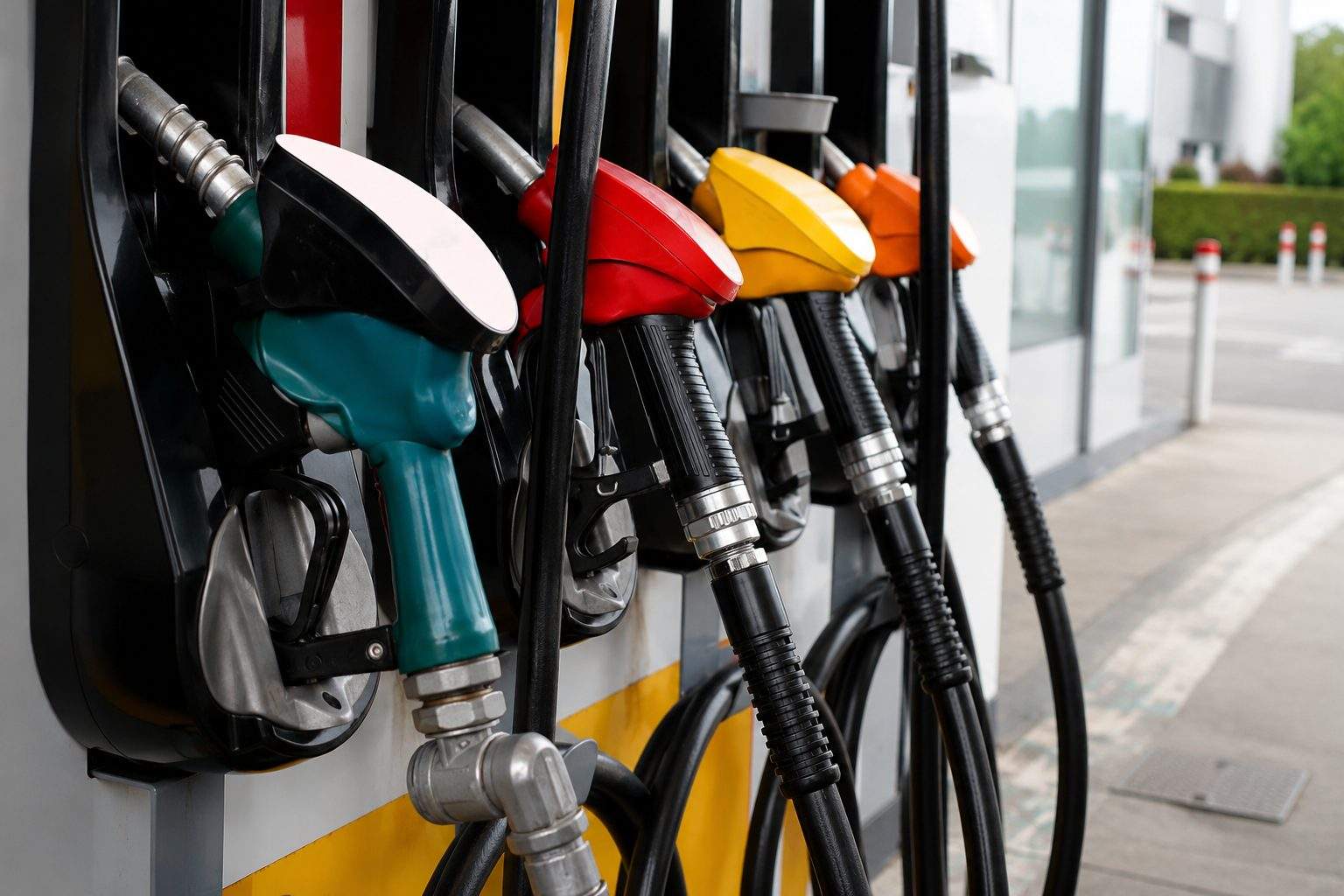
Early Tuesday saw gasoline futures climbing, the front RBOB contract trading close to 367 cents a gallon. RBOB stands for Reformulated Gasoline Blendstock for Oxygenate Blending—used as the key U.S. wholesale gasoline futures benchmark. This isn’t the price at the pump, but it usually moves ahead of it.
No mystery here—optimism around a speedy U.S.-Iran agreement evaporated, prompting crude buyers to pile risk back on. Brent flirted with $106, WTI hovered near $100, Reuters said, as negotiations stumbled over issues like ongoing hostilities, a U.S. naval blockade, Iranian oil export volumes, and compensation for war-related damages. The Strait of Hormuz, responsible for roughly 20% of global oil and LNG traffic, remains a major pinch point.
That’s crucial for gasoline, since crude is its core expense. If crude spikes because of a chokepoint in shipping, RBOB almost always reacts—sometimes even more sharply, especially if traders start to price in possible shortages. Monday saw June RBOB finish 2.07% higher after Iran’s proposal got shot down again, keeping Hormuz supply worries front and center.
Peer contracts followed suit. WTI gained 3.31%, Brent rose 2.88%, heating oil climbed 2.65%, and gasoil advanced 1.85% during early New York trading. Gasoline, like diesel and international refined products, got caught in the same crude shock—clear signs of sector-wide repricing.
The U.S. stock data adds some edge to the move. According to the latest EIA report, total motor gasoline inventories dropped by 2.5 million barrels—now 4% under the five-year average. Gasoline production slipped as well. Meanwhile, motor gasoline product supplied, which functions as a demand gauge rather than a retail sales tally, averaged 9.0 million barrels per day over the last four weeks, marking a 1.0% increase from a year ago.
Drivers are feeling it at the pump. According to AAA, the national average for regular gas slipped to $4.504 a gallon on May 12, just a fraction lower than $4.520 the previous day. Still, that’s well above $4.125 from a month back and miles ahead of the $3.137 mark from a year ago. A minor daily drop, sure, but the broader strain remains.
Washington is paying attention. President Donald Trump announced plans to push for a suspension of the federal gasoline tax, though, as AP pointed out, only Congress can make that call. The tax stands at 18.4 cents a gallon for gasoline, 24.4 cents for diesel. Scrapping it entirely wouldn’t wipe out the current war premium, but would at least take a bit of the sting out for drivers.
It’s a tense read on the energy complex from management. Aramco CEO Amin H. Nasser pointed to “strong resilience and operational flexibility” in the first quarter, highlighting the East-West Pipeline as a “critical supply artery.” According to Aramco, that pipeline hit 7.0 million barrels per day in Q1, helping drive exports out through Saudi Arabia’s west coast. aramco.com
Bulls argue gasoline’s still not priced for a prolonged squeeze. Morgan Stanley forecasts U.S. gasoline inventories dropping to about 198 million barrels by late August—the lowest for that stretch in the modern era. July gasoline margins? Already close to $35 a barrel. That margin, or crack spread, is what refiners pocket before costs when turning crude into fuel.
Here’s the bearish angle: everything starts with the driver. Once gasoline crosses $4.50, drivers tend to cut back on travel, and any policy action might help cool down pump prices. Tim Waterer at KCM Trade told Reuters an actual peace deal could knock $8-$12 off crude. If prices drop like that, RBOB usually sinks quickly—input costs drop first, retail follows.
Prediction markets suggest a slow fix rather than an immediate solution. Kalshi market cards pegged the probability of normal Strait of Hormuz traffic returning at 45% before July 1, nudging up to 52% by August, and 62% by September. On Polymarket, the odds stood at 34% for a full recovery by end-June and 46% by the end of July. Those numbers go a long way toward explaining why wholesale gasoline is still seeing bids, even as pump prices feel toppy.
Right now, gasoline prices are caught between two big forces: limited supply is in the driver’s seat, while U.S. demand trails behind. What might shake things up next? Watch for a diplomatic shift, unexpected import strength, or fresh data in the EIA release on Wednesday. Unless one of those pressures takes out the current supply premium, charts stay tethered to crude market jitters, low gasoline inventories, and the coming wave of summer driving.
Related articles: Stock Market