New York, May 12, 2026, 11:08 EDT
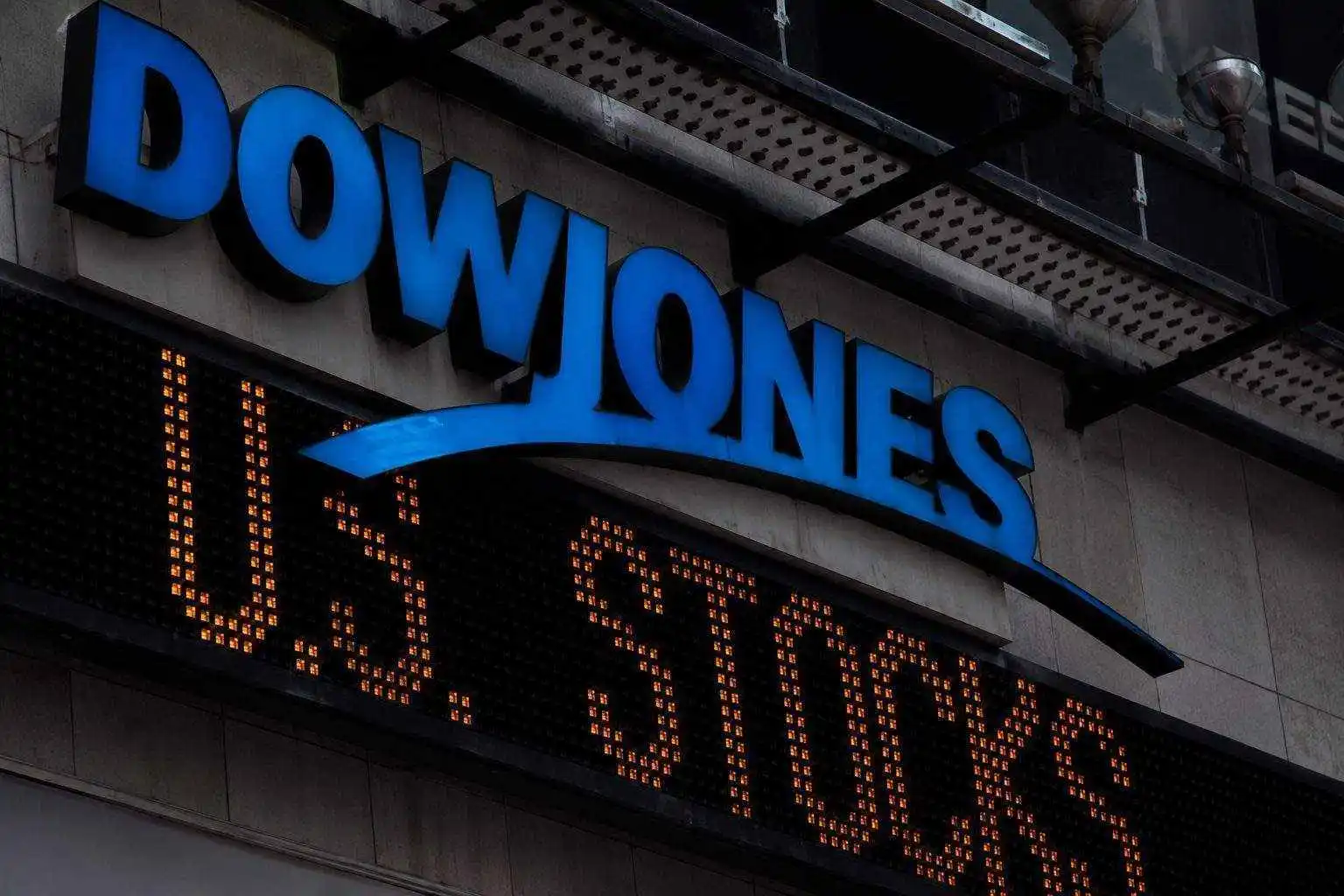
- The Dow dropped 297.98 points, or 0.60%, to 49,406.49 as of 10:00 a.m. ET. Both the S&P 500 and Nasdaq slid as well, with a stronger-than-expected CPI print and diminishing optimism for a swift U.S.-Iran breakthrough taking the wind out of the market.
- It’s largely about rates and oil this time: April CPI climbed 3.8% year over year, energy up a hefty 17.9%, and those rate-cut bets from traders are fading.
- Bulls can point to earnings strength and AI-driven capex. Bears counter with oil holding over $100, yields climbing, plus prediction markets pushing back any hope of Fed cuts to 2026.
Late in the morning, the Dow Jones Industrial Average slipped, giving back gains from the same playbook that pushed it close to 50,000: heavyweight industrials, financials, and growth-tied blue chips, all riding hopes of a gentle inflation backdrop. By 10:00 a.m. ET, the Dow was down 297.98 points, sitting at 49,406.49. The DIA ETF, which tracks the benchmark, showed a 0.61% drop to $494.06 as of a 10:53 a.m. ET read.
No mystery here. April’s consumer prices climbed 0.6% from March—up 3.8% on the year. Strip out food and energy, and “core CPI” came in 2.8% higher versus a year ago. The Fed zeroes in on core, seeing it as a sharper gauge of persistent inflation. This latest read didn’t deliver the tidy disinflation narrative investors had been hoping for. Bureau of Labor Statistics
The Dow took a direct hit. Because it’s a price-weighted index, drops in heavyweight stocks punch harder than similar percentage moves in cheaper names. In morning action, Goldman Sachs and Caterpillar stood out as the biggest drags—together, their declines wiped out about 242 points from the Dow, MarketWatch figures show. Boeing, Amazon, and Salesforce also chipped away at the average.
Caterpillar complicates things here. Last quarter looked solid—sales up 22% to $17.4 billion, adjusted earnings per share climbing to $5.54. CEO Joe Creed pointed to a record backlog, calling it “a strong foundation for continued positive momentum.” Still, that hasn’t quieted questions. Traders are zeroed in on oil prices, tariffs, and rising borrowing costs—plenty to pressure margins before the next wave of orders. PR Newswire
Goldman’s wrestling with its own version of this, though the pressure comes from another direction. First-quarter revenue landed at $17.23 billion, net income hit $5.63 billion, and CEO David Solomon pointed to ongoing client demand for “execution and insight” as uncertainty drags on. But today’s sharp drop tells the story: investors aren’t just rewarding resilience anymore. They’re cutting back on valuations, focusing instead on deal volume, trading environment, and the threat to credit if inflation keeps central banks on edge. Goldman Sachs
The broader market lagged the Dow’s performance. At 10:00 a.m. ET, the S&P 500 was off 0.57%, while the Nasdaq lost 0.92%. Eight out of 11 S&P sectors traded lower, with consumer discretionary taking the hardest hit. Qualcomm slid 6%. Intel gave up 2%—this after rallying the previous two sessions. Nvidia managed a gain, but that didn’t turn things around for tech overall.
Oil’s driving the second leg here. Brent crude jumped 3.4% to $107.72 with the Strait of Hormuz still closed to oil tankers, according to AP. Meanwhile, the 10-year Treasury yield ticked up to 4.45% from 4.42%. That’s the key long-term rate for markets—higher yields tend to cap how far equity valuations can run.
The AI trade came unglued, shifting the tone away from a straightforward inflation-driven drop. Micron, CoreWeave, and Broadcom—each up sharply this year—backed off. Over in South Korea, the Kospi slid 2.3%, spooked by talk of the government taking a bigger piece of AI profits. The Dow’s not as stacked with tech as the Nasdaq, but heavyweights like Microsoft, Amazon, Apple, and Salesforce still tie it to the same AI capex story.
The bull story hasn’t gone away. Dip buyers are sticking around, helped by decent earnings. Zebra Technologies rallied after it boosted its full-year sales-growth outlook, while automation, power demand, and AI infrastructure names are still locking in revenue. “If the 10-year yield holds under 4.5%, we do not see these levels as a meaningful headwind for equities,” Tim Urbanowicz at Innovator ETFs told Reuters. Reuters
The bears have the clearer argument at the moment. Chris Zaccarelli, chief investment officer at Northlight Asset Management, points out inflation is “moving higher again”—he blames the Iran war and the Strait of Hormuz being shut. With the labor market still solid, he says the Fed isn’t likely to cut rates anytime soon. So, no relief on rates, just mounting cost pressures. TheStreet
Prediction markets are showing similar restraint. On Polymarket, traders were pricing in a 97.5% probability the Fed stands pat at its June 16-17 meeting, with odds of no rate cuts at all in 2026 sitting at 62%. Over at Kalshi’s Fed contracts, “exactly 0 cuts” last pegged at 58%, while “exactly 1 cut” drew 21%. For context, a basis point equals one-hundredth of a percentage point: a single 25-basis-point cut trims rates by a quarter point. Polymarket
The Dow’s retreat isn’t simply about losing ground after a rally. What’s happening is a rethink of the “50,000 trade”—less optimism on Fed rate cuts, oil prices ticking up, AI enthusiasm getting bumpy, and now more pressure on stalwarts like Caterpillar and Goldman to deliver solid earnings as the broader economic picture grows less accommodating.