NEW YORK, May 15, 2026, 07:08 ET
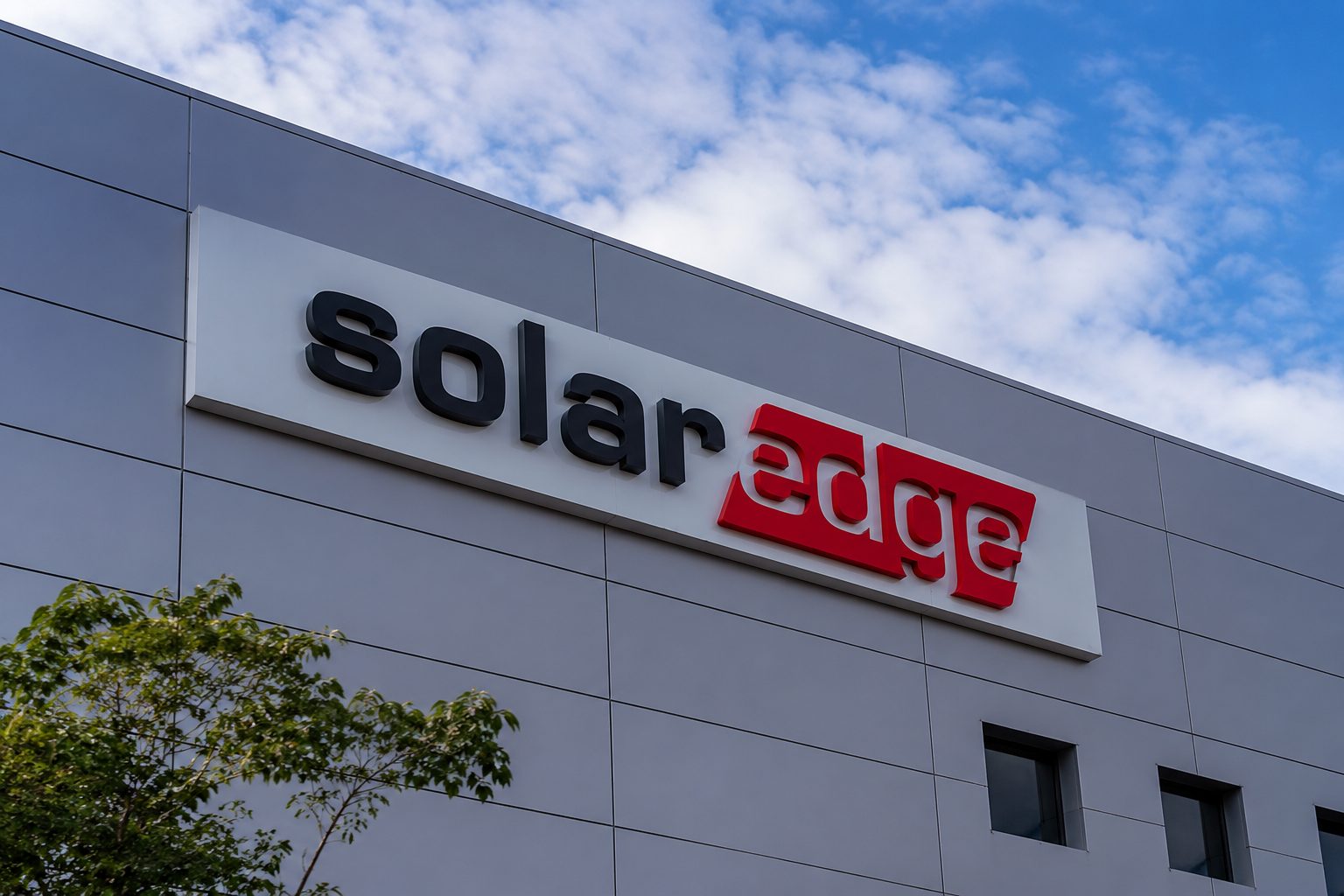
SolarEdge Technologies Inc. surged 17.47% Thursday, settling at $50.24, as the solar-equipment maker rode a burst of buying on the Nasdaq. Traders braced for a potential spike in orders with a July 4 U.S. solar tax-credit cutoff looming. According to Insider Monkey, developers aiming to lock in the federal incentive are expected to snap up equipment fast to secure safe-harbor status.
Timing’s key here. SolarEdge is making its pitch to investors: the rough patch of bloated inventories and sluggish demand—Europe being softest—may be fading, replaced by healthier sales, tidier margins, and an order book with more staying power. Shares jumped ahead of the U.S. market open Friday. Now comes the question—will buyers stick around once trading picks up?
The policy piece here is significant. Reuters reported last year the One Big Beautiful Bill Act gives clean-energy projects until July 2026 to begin construction, or until the end of 2027 to start operating, if they want to grab the 30% tax credit and any add-ons. Tax Adviser pointed out that projects breaking ground before July 5, 2026, still get a four-year safe harbor. Simply put: developers moving quickly can lock in more time and snag the tax perks; those who drag their feet risk getting squeezed by delays.
Speaking at Deutsche Bank’s clean-tech conference on Thursday, Chief Executive Yehoshua Nir noted that March saw activity above typical seasonal levels, with that momentum carrying over into April. Geopolitical factors and high energy prices are fueling a bump in short-term demand from both residential and commercial-and-industrial clients, he said. “Our assumption is that this will continue,” Nir added. Seeking Alpha
SolarEdge remains right in the thick of the order flow everyone’s tracking. The company touts its inverter tech as a way to control power collection across solar, or PV, systems. For the first quarter, revenue landed at $310.5 million—down 7.4% from the previous quarter but up from $219.5 million one year ago. GAAP net loss: $57.4 million. Looking ahead, SolarEdge projected second-quarter revenue between $325 million and $355 million. On non-GAAP gross margin, which strips out items like stock comp and certain one-offs, the company set the range at 23% to 27%. CEO Nir pointed out that the midpoint would push SolarEdge toward break-even on operating profit.
There’s a shift in the C-suite, too. SolarEdge named Maoz Sigron as its next chief financial officer, effective May 31, according to a securities filing from May 11. Asaf Alperovitz, the outgoing CFO, will stay on in a transitional capacity until June 9. Sigron’s background includes stints as both CFO and chief operating officer at Perion Network.
A cloud has lifted, if not vanished entirely. On May 4, Bloomberg Law said a federal judge granted initial approval to SolarEdge’s proposed $55 million settlement with investors. The securities-fraud claims stem from alleged misstatements about European equipment demand and inventory.
SolarEdge was the outlier in a mixed tape for peers. Enphase Energy jumped 14.31% to $48.01 on Thursday, according to MarketWatch data, but First Solar slipped 1.27%. Sunrun edged up 1.38%.
Rate expectations aren’t offering much relief, which continues to weigh on solar—financing remains critical for both residential and commercial installs. Over at Kalshi, traders are pricing in a 67% chance the Fed won’t cut before 2027. On Polymarket, zero rate cuts in 2026 leads at 67%, with a single cut trailing at 15%.
That’s the catch. This rally could just reflect demand pulled ahead, rather than any sign it’s here to stay. SolarEdge flagged in its tax-credit note: if a project starts after July 4 but isn’t up and running by Dec. 31, 2027, it won’t qualify for the solar ITC. Delays are already cropping up, too—equipment lead times, labor shortages, and permitting hang-ups are making execution tricky, SolarEdge warned.
Investors, for the moment, aren’t giving SolarEdge the credit of a completed turnaround—they see a company still on the clock, with limited time to deliver results. What happens over the next few weeks should clarify whether that July 4 spike translates into actual orders, or if it was simply a blip in an unpredictable solar market.