
LONDON, May 16, 2026, 18:35 BST
- Brent ended Friday at $109.26, while WTI finished at $105.42. Both crude benchmarks posted sharp gains for the week.
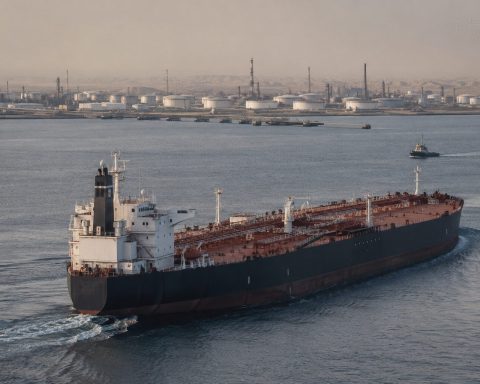
- The Strait of Hormuz is still the key risk for the market, as shipping traffic stays limited and inventories run low.
- Next week will hinge on shipping flows, any moves between the U.S. and Iran, and the U.S. inventory report due on May 20.
Oil spent Friday close to $110 a barrel after a late surge put traders on alert for new headlines from the Strait of Hormuz. The key waterway handles about 20% of global oil and LNG shipments. Brent crude futures closed at $109.26 a barrel, up 3.35%. U.S. West Texas Intermediate finished the day at $105.42, up 4.2%.
Oil prices held Friday’s levels with the market closed over the weekend, leaving that settlement as the reference. On the week, Brent added 7.84% and WTI was up 10.48%. Traders aren’t trading on usual supply and demand right now, but are watching war threats, insurance issues, and tanker access in the Gulf.
Thin oil buffers are back in focus. The International Energy Agency said global inventories that supply the market dropped by 250 million barrels over March and April as flows from the Middle East stayed tight. Gulf producers have already posted more than 1 billion barrels in total supply cuts, IEA said.
Oil jumped Friday after U.S. President Donald Trump and Iranian Foreign Minister Abbas Araqchi gave less conciliatory signals, hurting hopes for a quick reopening of the strait. Vandana Hari, founder of Vanda Insights, said the market is back to focusing on the deadlock and a “tail risk of renewed military escalation.” Phil Flynn at Price Futures Group said the “margin for error is shrinking rapidly.” Reuters
Other energy futures tracked gains in crude. RBOB gasoline, the U.S. gasoline benchmark, added 2.67% Friday, Bloomberg data showed. Heating oil climbed 3.78%. Gasoil jumped 5.06%. The jump in crude appears to be pushing up prices for refined products too. Natural gas moved higher, but with a smaller gain.
Some traffic picked up, but it didn’t do much to calm nerves. Iran’s Revolutionary Guards reported 30 vessels moved through the strait from Wednesday night to Thursday, well under the usual 140 a day before the conflict. PVM’s Tamas Varga said the rise mattered more for sentiment than for the real oil balance.
U.S. figures signaled a tighter market, with the Energy Information Administration reporting crude inventories fell 4.3 million barrels to 452.9 million for the week ended May 8. Gasoline stocks slipped by 4.1 million barrels. “U.S. producers may be starting to take advantage of higher prices,” said Bob Yawger at Mizuho. UBS analyst Giovanni Staunovo noted gasoline inventors are entering driving season from a low base. Reuters
Iraq put out a new supply marker on Saturday. Oil Minister Basim Mohammed said Iraq moved 10 million barrels through Hormuz in April, down from roughly 93 million barrels a month before the war, blaming tanker insurance for the low volumes. He said Iraq was sending 200,000 barrels a day out through Turkey’s Ceyhan port and aimed to push that number up to 500,000 barrels.
Shipping data, U.S.-Iran headlines, and the next stockpile report, due May 20, are set to drive the week. The EIA sees Brent prices at about $106 a barrel for May and June. The agency says prices could sink toward $89 by the fourth quarter if Middle East output picks back up.
The risk works both ways. A real reopening of Hormuz, any drop in insurance costs, or a weaker fuel demand could take the war premium out of prices fast, especially after this week’s sharp jump. Still, if the strait stays closed into June, the EIA says prices may run $20 a barrel higher than what’s been forecast, and Capital Economics has mapped out a scenario where Brent tops $150 and hangs there through 2027.
Crude prices are moving with diplomatic headlines as much as supply right now. Traders could see the next swing before most return to their desks on Monday.
Related articles: Energy Markets