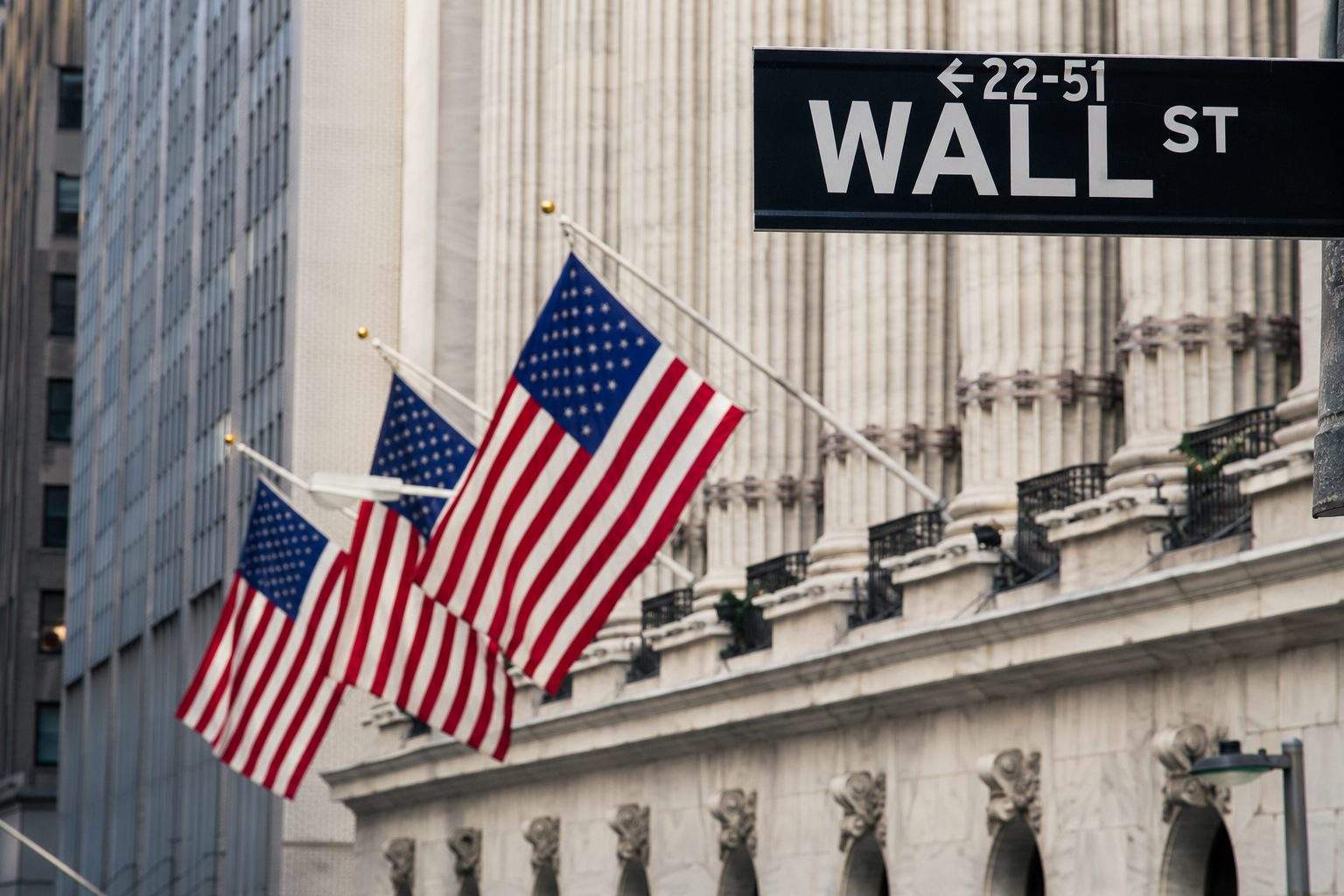

NEW YORK, May 7, 2026, 13:03 (EDT)
- The Dow slipped into negative territory after a short-lived climb above 50,000. S&P 500 and Nasdaq held close to their record highs.
- Oil slid for a second straight session as traders pinned hopes on a potential U.S.-Iran agreement—offering some relief on the inflation front, but weighing on energy stocks.
- Jobless claims came in below expectations, leaving traders still betting on an imminent Fed rate cut.
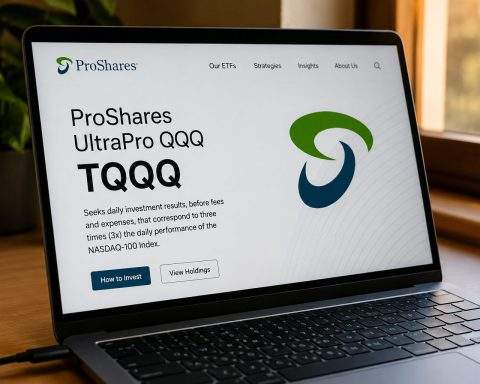
Stocks lost ground by midday Thursday. The Dow Jones Industrial Average couldn’t hold 50,000, S&P 500 dipped after an early record attempt, and tech continued to carry much of the load as oil prices eased. Index ETFs tracked the move: SPY dropped roughly 0.2%, QQQ hovered close to unchanged, while DIA slipped 0.5% as of 12:48 p.m. ET.
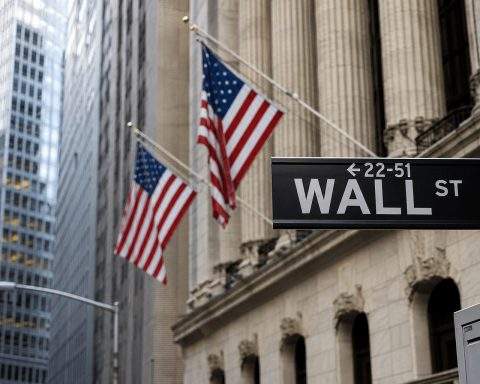
This shift stands out with Wall Street already trading near the top. Fresh records for the S&P 500 and Nasdaq followed upbeat earnings and a pullback in crude prices, which had cooled some inflation concerns. But on Thursday, buyers showed less appetite for pushing up the entire market.
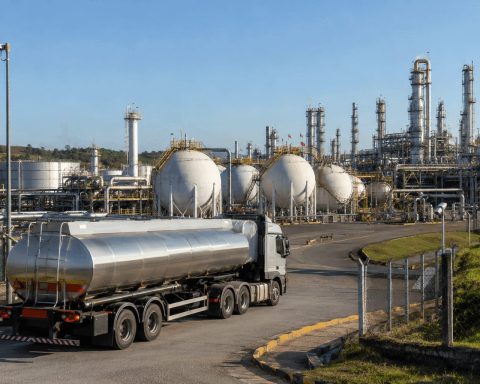
Oil took the spotlight again. Brent crude sank roughly 3%, remaining under the $100 mark. Traders weighed up the chances that a narrow U.S.-Iran deal might ease restrictions at the Strait of Hormuz, a crucial route for global oil flows.
Robert Pavlik, senior portfolio manager at Dakota Wealth, told Reuters he’d be “surprised if this conflict lasts.” He linked the market’s action to expectations Washington is pushing for a speedy resolution. Early in the session, six out of 11 S&P 500 sectors were in the red; energy slid 2.1% as crude prices pulled back. Reuters
Cheaper oil gave bonds a lift. Samy Chaar, Lombard Odier’s chief economist, noted that the Middle East “momentum is going in a good direction,” pointing out that falling crude prices were taking some heat off bond yields. That’s important—lower yields usually help bolster stock valuations. Reuters
Bears looking for a break didn’t get it from the latest numbers. Initial jobless claims bumped up by 10,000 to 200,000 for the week ended May 2—still under the 205,000 economists were calling for in the Reuters poll. Continuing claims slipped to 1.766 million. FWDBONDS chief economist Christopher Rupkey summed it up: the labor market remains “steady as a rock.” Reuters
This one goes both directions. A firm jobs market props up company profits, yet it also means the Fed has little incentive to lower interest rates anytime soon. According to Reuters, traders are betting on rates staying put through 2027, and the payroll data out Friday will be the next big signal.
Beneath the indexes, the action was intense. Datadog surged, with the cloud security group bumping up its 2026 revenue outlook—now targeting $4.30 billion to $4.34 billion, up from the previous $4.06 billion to $4.10 billion. The company pointed to stronger appetite for cloud migration and AI-driven monitoring and security tools as the reason.
CrowdStrike and Palo Alto Networks moved higher, catching a lift with Datadog, Reuters reported, as cybersecurity stocks found new momentum. That uptick stood out while parts of the chip sector slipped.
Arm Holdings lagged in the chip sector. Shares dropped after CEO Rene Haas told investors Arm could handle the first $1 billion in demand for its new AI chip, but hadn’t lined up additional supply yet. The company licenses designs to players like Nvidia and Apple.
Snap shares dropped after the company blamed weaker first-quarter ad revenue on the Middle East conflict and sluggish growth in North America. Whirlpool also tumbled, missing sales forecasts and putting its dividend on pause. Both stocks weighed on the market’s tone, leaving trading choppy even as major indexes stayed close to record levels.
There’s a real risk the recent oil pullback doesn’t last. RBC’s Helima Croft said it’s “far from clear” if anything concrete is happening with Hormuz reopening. SEB Research’s Ole Hvalbye warned that failed negotiations could send Brent racing past $120 a barrel. All of which means Thursday’s bounce could vanish just as quickly as it arrived. Reuters
Related articles: NASDAQ:QQQ

![UK Stock Market Today 28/08/2026 [UPDATE: 08:45 BST] [3i and Miners Lift FTSE Ahead of Warsh Speech]](https://ts2.tech/wp-content/uploads/2026/08/UK-market-dashboard-2026-08-28-0842-480x384.jpg "UK Stock Market Today 28/08/2026 [UPDATE: 08:45 BST] [3i and Miners Lift FTSE Ahead of Warsh Speech]")