
New York, May 21, 2026, 04:14 EDT
T1 Energy Inc. shares closed 26.45% higher at $8.70 on Wednesday, a sharp reversal in a volatile week for the U.S. solar manufacturer, after trading as high as $9.42 on volume of 106.9 million shares. The stock had closed at $7.00 on Monday and $6.88 on Tuesday.
The move matters now because T1 is trying to finance and build its G2_Austin solar-cell factory while persuading investors that its U.S. manufacturing plan can qualify for clean-energy tax credits. The company said this month that an April convertible-note sale brought in $174.7 million in net proceeds and reduced the Phase 1 financing need for G2_Austin to about $225 million.
A disclosed institutional stake also gave bulls something fresh to point to. A Form 13F-HR from Situational Awareness LP, a quarterly holdings filing reported with a delay, showed 10 million T1 shares valued at $43.9 million as of March 31.
Roth Capital Partners analyst Philip Shen pushed back after the short-seller report, calling T1 “a model for what the Trump administration may want” in domestic manufacturing, according to Sherwood. TipRanks reported that Shen kept a Buy rating and a $10 price target on the shares. Sherwood News
That defense came after Fuzzy Panda Research, which disclosed it was short T1, attacked the company’s tax-credit story and alleged hidden Chinese ties through intellectual-property arrangements involving Trina Solar and Evervolt. The short seller called T1 a “China Hustle” and said it expected accounting restatements tied to tax credits, claims the stock market is now trying to price rather than ignore. Fuzzy Panda Research
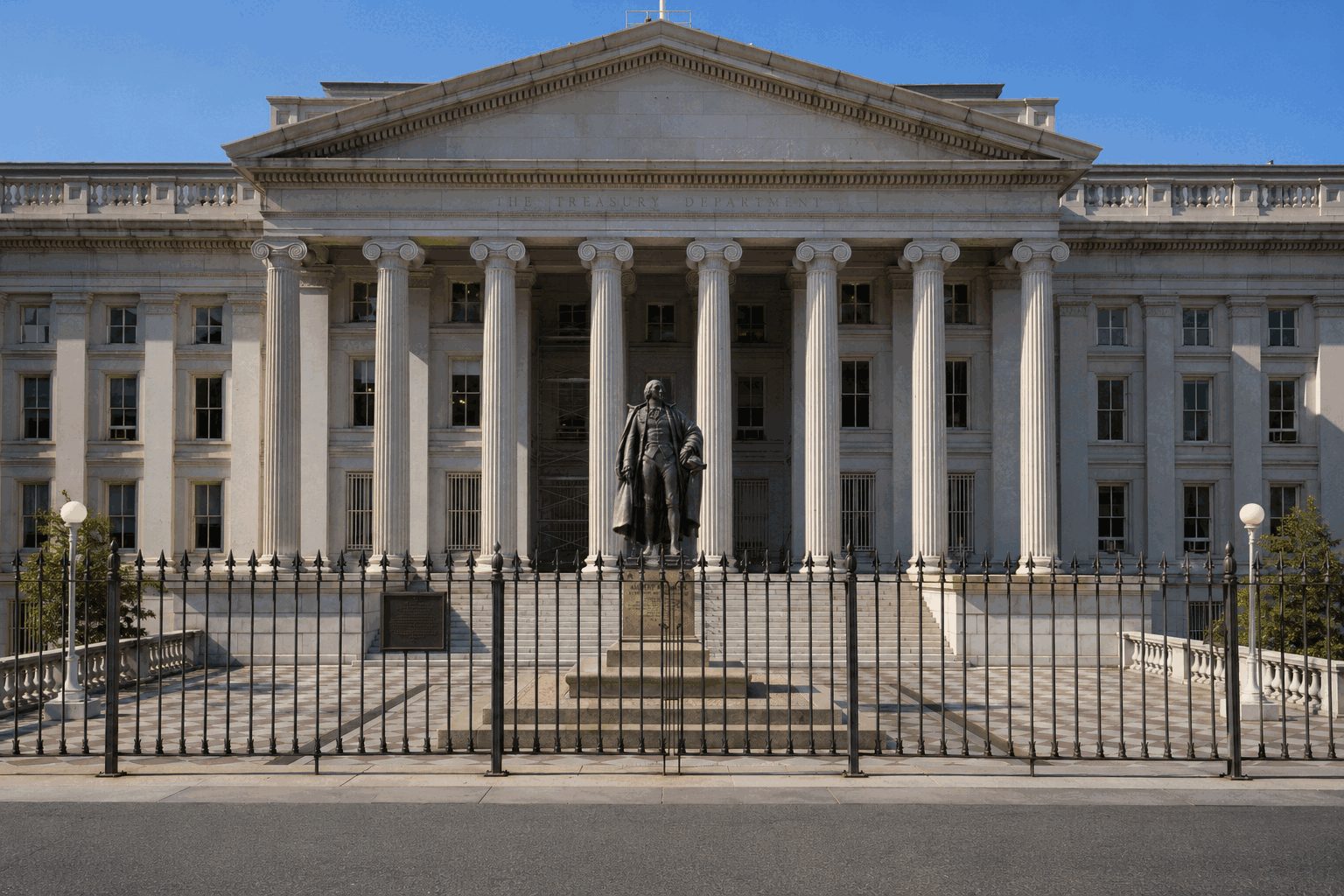
The center of the fight is FEOC status — “foreign entity of concern,” a U.S. term for certain entities tied to countries such as China, Russia, Iran and North Korea. Treasury and IRS guidance says clean-energy tax credits can be restricted when facilities or components receive prohibited assistance from such entities, making compliance central to the value investors assign to solar manufacturers. IRS
T1’s latest quarter gives both sides material to work with. The company reported a $21.4 million net loss attributable to common shareholders, but also $3.9 million of net income from continuing operations and $9.1 million of adjusted EBITDA. Adjusted EBITDA is a non-GAAP profit measure that excludes items such as interest, taxes, depreciation, amortization and some other costs; it is not the same as net income.
Chief Executive Dan Barcelo said T1 was focused on “hitting key construction milestones” and scaling a U.S. supply chain for solar modules and cells. The company kept 2026 production and sales guidance at 3.1 to 4.2 gigawatts and said indicative demand covered more than 100% of expected G1 and G2 production capacity for 2027 and 2028. T1 Energy Inc.
The debate lands in a sector where investors already compare domestic supply-chain exposure closely. First Solar describes itself as a leading American solar technology company, while Canadian Solar said this month it had started trial production at its Jeffersonville, Indiana, cell factory, with commercial operation targeted for July 2026.
But the risk case is not small. If tax-credit eligibility is challenged, if G2_Austin slips, or if financing costs rise, Wednesday’s rally could unwind quickly. T1 has itself listed risks including its ability to construct and equip facilities on time and cost effectively, keep customers and suppliers, protect intellectual property, comply with legal requirements and qualify for Section 45X manufacturing tax credits.
Ahead of Thursday’s regular session, the stock has become a test of confidence in T1’s U.S. solar-manufacturing story. The next trade is less about a single closing price than about whether investors believe Roth’s view, Fuzzy Panda’s attack, or something messier in between.
Related articles: Stock Market