Washington, May 21, 2026, 12:11 EDT
- A seniors group is now expecting the Social Security cost-of-living adjustment for 2027 to come in at 3.9%. That’s higher than this year’s 2.8%.
- The projection would boost the average retired worker’s monthly check by around $81, but the official number won’t be determined until October.
- Rising energy, food, and housing costs are pushing the forecast, but Medicare and other costs could offset the increase.
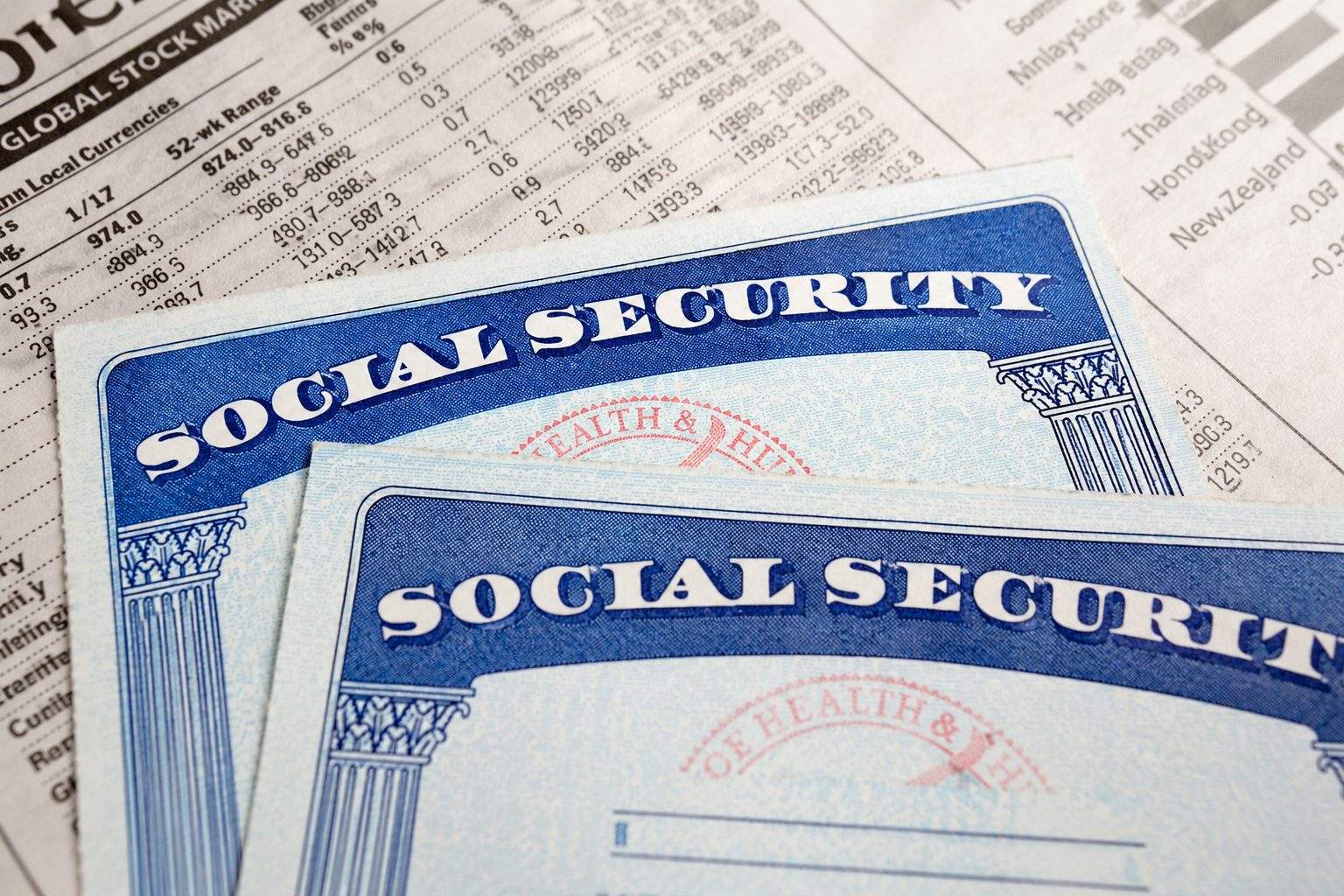
Social Security and Supplemental Security Income recipients could see a bigger benefit hike in 2027. The Senior Citizens League lifted its forecast for next year’s cost-of-living adjustment to 3.9% after inflation went higher. The group said that’s 1.1 points more than the 2.8% gain set for 2026.
The latest increase could hit the wallets of millions of Americans dealing with higher food, energy, housing and medical bills. As of April, 75.5 million people were getting Social Security, SSI or both, according to Social Security Administration data. Retired workers saw an average benefit of $2,081.16 that month.
A 3.9% adjustment would bump the average retired worker payment up $81.17 to $2,162.33, according to TSCL. That’s about $80 extra a month on a $2,000 benefit. It helps, but it’s not a big jump.
Social Security and SSI benefits get a cost-of-living adjustment, or COLA, each year to match the pace of inflation. The COLA is set by law and tied to the Consumer Price Index for Urban Wage Earners and Clerical Workers (CPI-W), using inflation numbers from the third quarter.
Inflation for April came in above forecasts, pushed by energy costs. The Consumer Price Index for all urban consumers increased 3.8% year over year, according to the Labor Department. The CPI-W rose slightly higher at 3.9%. Energy jumped 17.9% and gasoline prices rose 28.4% from a year ago.
The estimate applies to SSI recipients too, a group often squeezed when prices climb. SSI gives monthly payments to people with disabilities and older adults who have few or no financial resources, the Social Security Administration says.
Shannon Benton, executive director at TSCL, said older Americans often say “life still does not feel affordable” and they feel “falling farther and farther behind.” TSCL reported that over 57% of seniors in an earlier survey said they skipped at least one medical product or service in the past year due to the cost. The Senior Citizens League
The Committee for a Responsible Federal Budget put its Social Security COLA estimate at 3.8% and told CBS News the figure could fall anywhere from 3% to 4.5%, depending on how inflation moves in the coming months.
TSCL statistician Alex Moore told CBS the estimate is now above the earlier 2% to 3% projections. He flagged rising oil prices as just “the tip of the iceberg,” saying energy costs hit farming, transport and manufacturing. CBS News
The number isn’t set yet. If inflation falls before the July-to-September measuring window, the COLA might be smaller. If energy and food prices keep going up, it could be higher. A larger increase would push program costs up. CRFB said that a 3.8% COLA, if wages don’t keep pace, would worsen Social Security’s shortfall by roughly $300 billion over 10 years.
Retirees getting bigger checks might not see much extra to spend. TSCL pointed out that bigger Social Security payments often get eaten up by higher Medicare premiums and rising costs for housing, utilities, and groceries. Kiplinger said some beneficiaries could lose part of their annual boost to higher Medicare premiums, especially if those premiums are taken straight out of their Social Security.
The Social Security Administration plans to set the official 2027 COLA in October, after it gets the third-quarter CPI-W numbers. For now, the 3.9% estimate is just a forecast. It’s firmer than what was seen earlier this year, but it still depends on how the next inflation readings come in.