DUBLIN, Ohio, May 25, 2026, 12:03 EDT
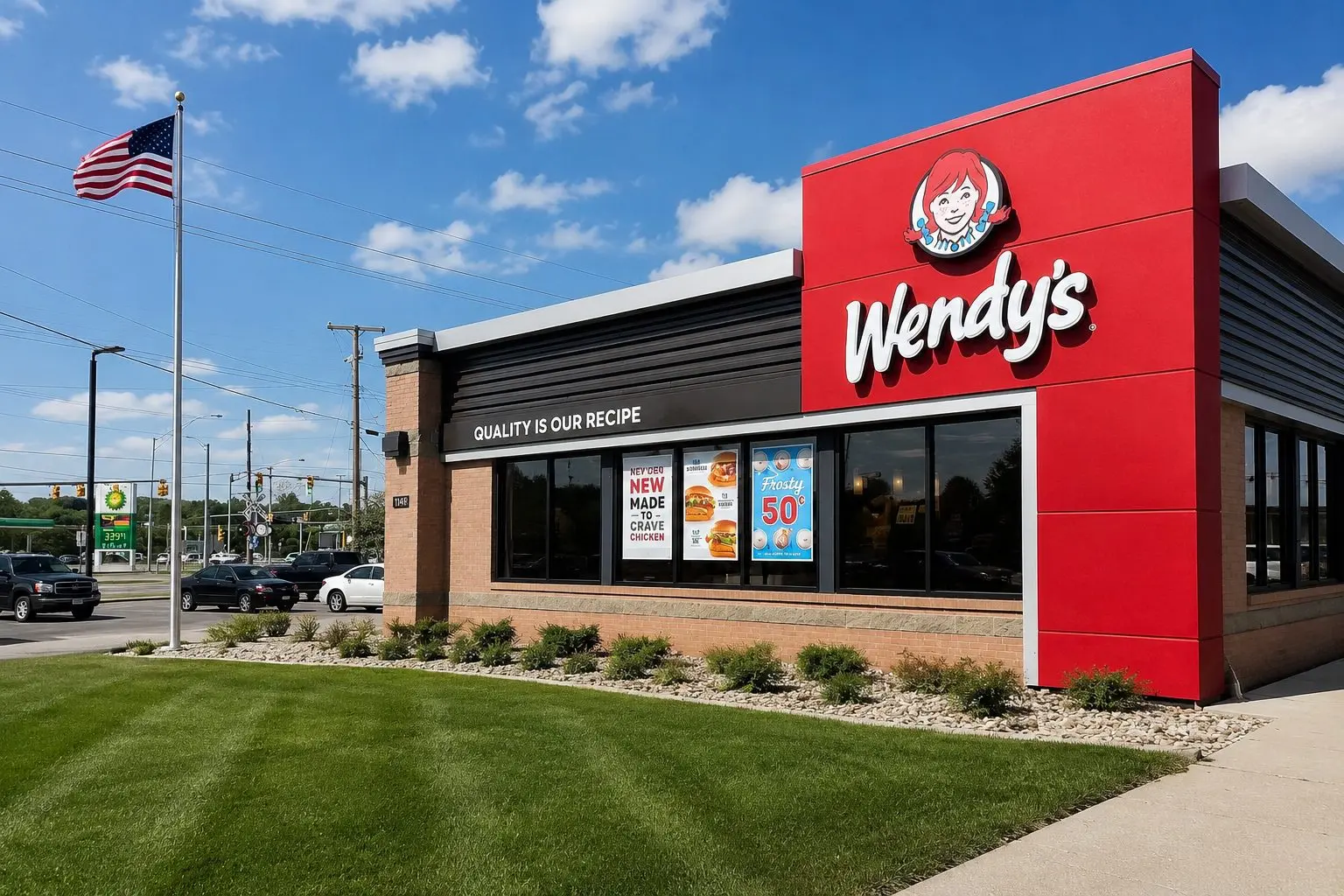
- Zacks Research trimmed its Q2 earnings view on Wendy’s, with the call coming in a week that’s already seen the chain put in a new CEO.
- Wendy’s reported U.S. same-restaurant sales down 7.8% in the first quarter, following an 11.3% decline in the fourth quarter.
- Robert Wright started as CEO May 21 while the company faces sluggish store traffic, shutdowns, and attention from Nelson Peltz’s Trian Fund Management.
Zacks Research cut its Q2 EPS forecast on Wendy’s to 17 cents from 18 cents just a few days after Robert D. “Bob” Wright stepped in as president and CEO. The burger chain’s shares last traded at $7.81, with U.S. markets closed Monday for Memorial Day. MarketBeat
Timing is an issue now that Wendy’s has had more than just a single weak quarter. The company, based in Dublin, Ohio, posted a 7.8% decline in U.S. same-restaurant sales in the first quarter. Global systemwide sales were down 5.5%.
U.S. same-restaurant sales dropped 11.3% in the fourth quarter, capping off a year where sales slipped 5.6%. Management is calling 2026 a rebuilding year, but investors want to know if the chain can bring back customers without cutting margins too deep.
Newsweek on Monday said Peltz’s reported take-private move ties back to a bigger issue for the company: a brand that has lost its cultural edge. Tasting Table, also on Monday, cited weak sales, rising prices, churn in leadership and store shutdowns as the reasons Wendy’s is having a tough time in 2026.
Wendy’s named Bob Wright its new CEO, putting an end to a stretch without a permanent boss. Wright, who led Potbelly and has worked in senior roles at Wendy’s, Domino’s Pizza and Charleys Philly Steaks, takes over from interim chief Kenneth Cook. Cook stays on as CFO.
“I am honored and energized to return to Wendy’s at a pivotal moment,” Wright said in the announcement from the company. Chairman Art Winkleblack described Wright as a “proven operator and brand builder.” The language shows what Wright is expected to tackle: more than just cost-cutting, his job is also to make Wendy’s relevant again. Irwendys
Wendy’s is going with Project Fresh, a plan to revive its brand and improve stores, while closing underperformers. In Q1, the chain rolled out $4, $6 and $8 Biggie Deals, made changes to burgers and chicken sandwiches, and added menu-label printers at around 85% of locations to help with order accuracy.
Cook told investors the company is “taking decisive action to strengthen the Wendy’s system and improve performance.” Chief Accounting Officer Suzie Thuerk said the outlook for consumers is still tough. “We do see continued pressure on the lower-income consumer,” Thuerk said. Irwendys
Wendy’s cut 164 stores in the first quarter, bringing its total U.S. locations to 5,805. QSR Magazine says the company thinks most of its so-called footprint optimization will wrap up by the end of the second quarter.
McDonald’s posted a 3.9% gain in U.S. comparable sales for the first quarter. Restaurant Brands International reported Burger King’s U.S. comp sales up 5.8%. Rivals leaned on value and promotions as Wendy’s focused on resetting.
Overseas markets are holding up better. International systemwide sales at Wendy’s went up 6.0% in the first quarter. The company announced a deal to open as many as 1,000 locations in China over the next decade. That expansion will not solve the current traffic slide in the U.S.
Wendy’s faces pressure as its comeback could take longer than expected for shareholders or franchisees. JPMorgan’s Rahul Krotthapalli and team downgraded the stock to “Underweight” this month, dropping their target to $6. The analysts flagged sliding sales, soft franchise profits, debt and execution risk as possible problems for its recovery plan through 2028. Investing.com
Wright’s challenge is to see if neater stores, more accurate orders, lower-priced bundles and a clearer food pitch can boost traffic before discounts hurt margins. Wendy’s has new management, but the square-burger chain still needs to show it can halt the slide.