Toronto, May 25, 2026, 14:02 (EDT)
- Suncor was down 3.1% in Toronto as of 2 p.m. ET, even as Canada’s main index touched a new record high.
- Oil fell as traders watched for signs the U.S. and Iran could be nearing a deal that would reopen the Strait of Hormuz.
- Canadian exchanges stayed open on Memorial Day while U.S. markets were closed. Suncor’s TSX listing was the main place trading continued.
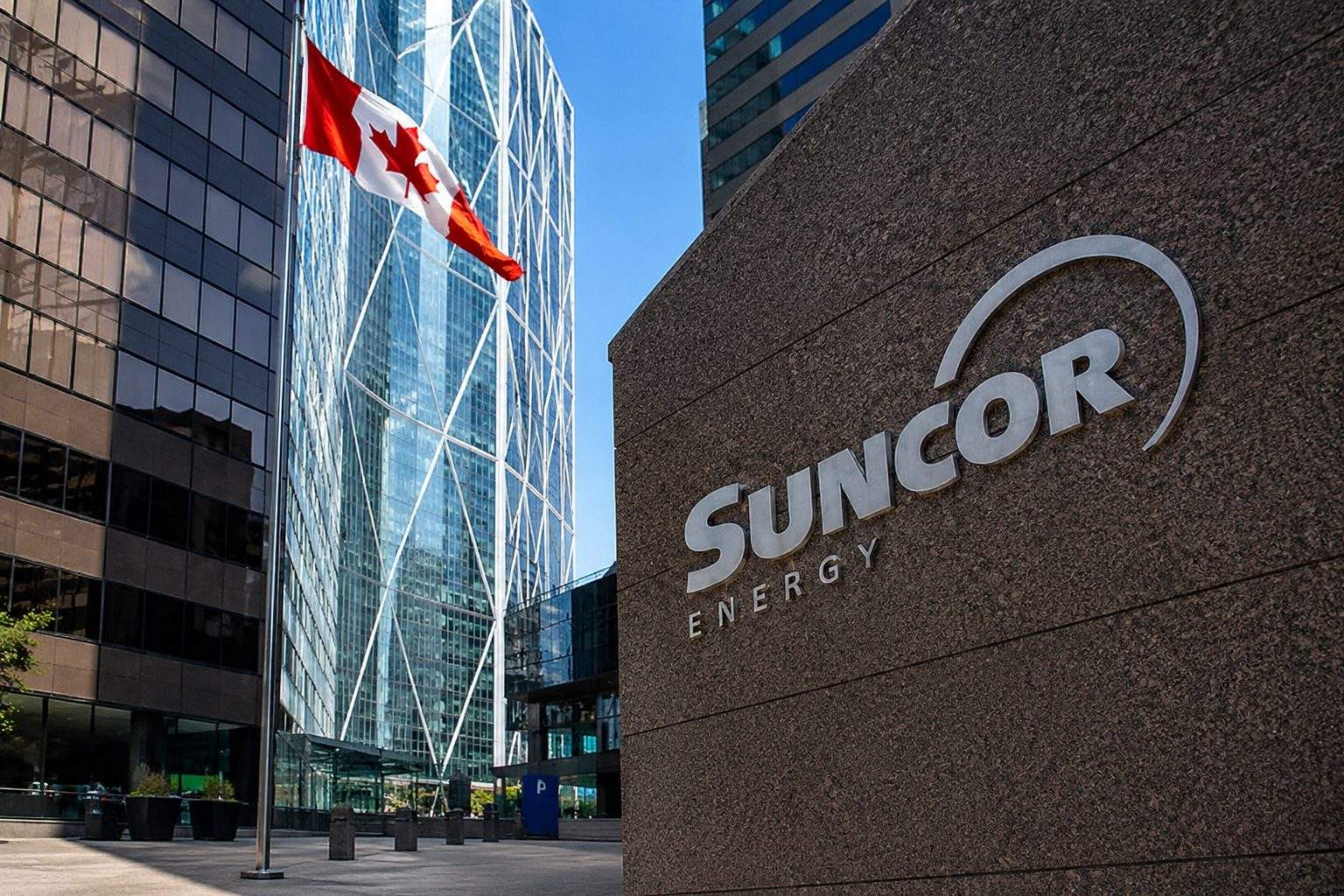
Suncor Energy Inc. traded lower in Toronto on Monday, falling 3.1% to C$90.12 at 2 p.m. ET. Shares slid as oil prices tumbled, though Canada’s main stock index hit a record. Market data is delayed.
Oil’s move today was about one thing: could signs of a peace process around Iran cut the war premium built into prices? Suncor, an integrated energy player, both pulls crude out of the ground and runs refineries. So when oil drops, its upstream business gets squeezed, even though refining margins can soften the blow.
Canadian exchanges traded on Memorial Day even as U.S. markets stayed shut, giving Toronto the lead on pricing. TMX CDS marked May 25 as a U.S. holiday with Canadian exchanges open but U.S. ones closed; TSX stuck to its regular 9:30 a.m. to 4 p.m. EDT session.
S&P/TSX Composite rose 0.7% to 34,778.98 by 10:21 a.m. ET, as miners led gains. Energy was the only one of the TSX’s 10 sectors down, dropping 2.1% on weaker crude prices. “A non-zero chance the conflict ends” was enough to lift stocks and send oil lower, said Brian Madden, chief investment officer at First Avenue Investment Counsel. Reuters
Crude prices slid hard. Brent futures lost 5.9% to $97.42 a barrel by 12:43 p.m. ET. West Texas Intermediate, the U.S. oil benchmark, also dropped 5.9% to $90.88, putting both at their lowest since May 7. “Even though it’s not done,” said Phil Flynn, senior analyst at Price Futures Group, there was some optimism to “get some oil moving” through Hormuz. Reuters
Suncor’s rally, driven by higher oil prices, strong output and bigger payouts to shareholders, takes a hit here. Reuters said earlier this month Suncor beat first-quarter adjusted profit forecasts, ramped up upstream production to 875,000 bpd, and boosted its 2026 buyback plan to C$4 billion.
Suncor, Canadian Natural Resources, Cenovus Energy and Imperial Oil are the top four stocks in a Canada energy ETF from Global X, so the ETF is set up as a focused call on oil-sands money and crude moves. Peer review offered nothing new or surprising.
Suncor executives are positioning the latest buyback boost as more than just a play on price swings. On the most recent earnings call, CFO Troy Little said the move to C$350 million a month “wasn’t a short-term reaction” and that it “reflected our confidence in the business plan.” Investing.com
Analyst views are still holding steady, though more cautious. Last week TheFly, citing TipRanks, said Scotiabank bumped its Suncor target from C$90 to C$95, leaving the rating at “Sector Perform”. That tells the bank expects the stock to move mostly along with its peer group. TipRanks
But there’s risk on both sides. If talks break down or if Hormuz shipments stay tight, oil could bounce and energy stocks might get a lift. If a deal sticks and oil drifts down, Suncor’s cash-return pitch faces more pressure after its Q1 profit beat and bigger buyback.
Oil traders are now watching actual physical flows, not just news headlines, and waiting to see if U.S.-Iran negotiators follow up Monday’s optimism with a real deal. For now, Suncor shares aren’t trading on company news. Instead, the stock is acting as a kind of gauge for how much war risk is still priced into crude.