New York, May 26, 2026, 05:04 EDT
- Redwire was at $20.55 premarket, up 17.5%. The stock closed Friday with a 13.9% gain.
- The decision comes after a U.S. Army order for Stalker drones and a NATO-country deal worth high eight figures.
- The question is if contract momentum is enough to offset losses, pressure on valuation, and the risk in execution.
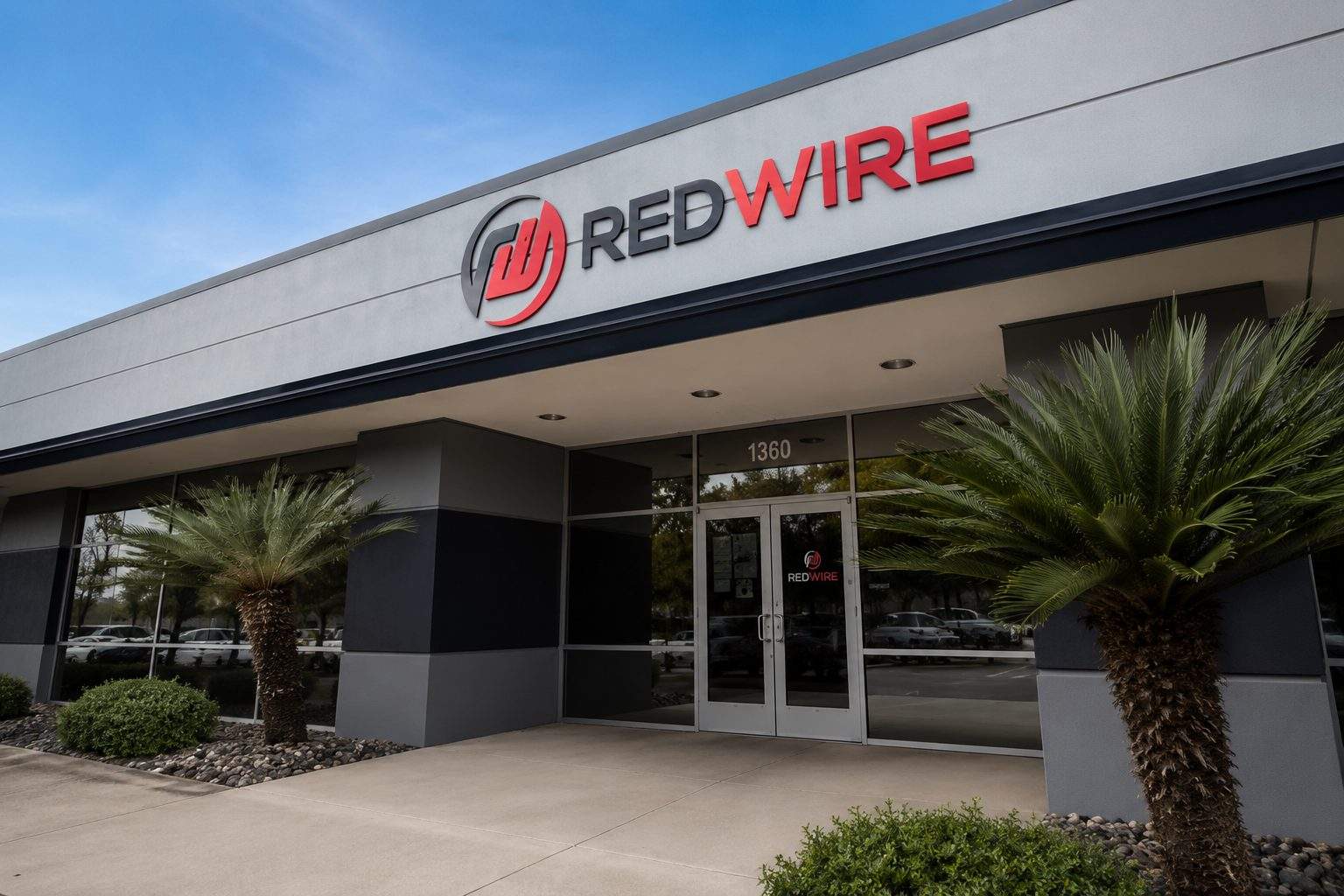
Redwire Corp. shares surged premarket Tuesday, adding to a big rally ahead of the holiday. Investors came back to the space-and-defense name after new drone contracts. The stock traded at $20.55 as of 5:01 a.m. EDT, up 17.5% before the bell. It closed Friday at $17.49—a rise of 13.9%.
Timing was a factor. With U.S. markets shut on Monday for Memorial Day, Tuesday gave investors the first shot to gauge if last week’s rally was a squeeze, a shift in defense names, or had more to it. Nasdaq’s 2026 holiday calendar listed Memorial Day, May 25, as a market closure.
Redwire said May 20 it got a $15 million follow-on order from the 1st Aviation Brigade at the U.S. Army Aviation Center of Excellence for its Stalker uncrewed aerial systems. These latest drones, which fly without an onboard pilot, are part of a string of orders from the Army group. It’s the third order in eight months, pushing total recent orders to $24.8 million.
Steve Adlich, who runs Redwire Defense Tech, said the Stalker drone was “purpose built” for a range of missions and is meant to help the Army “detect, identify, and track threats.” The drones are set to back advanced individual training at Fort Huachuca, where Army tactical UAS specialists are trained. Redwire Corporation
Redwire said a day earlier it landed a multi-year contract, described as in the high eight figures, from a NATO country that wasn’t named. The deal is for Redwire’s Penguin Mk3 tactical UAS. Adlich said the deal is a “forward-looking approach” for NATO allies working on tactical drone modernization. Redwire Corporation
New awards are changing how traders look at the stock. Redwire is still seen as a space infrastructure play, but fresh orders push it closer to the defense drone group, alongside AeroVironment and Kratos Defense. Its background in satellites and spacecraft still puts it near Rocket Lab. AeroVironment says it makes unmanned aircraft systems, Kratos says it leads in unmanned systems, and Rocket Lab says it offers launch services, satellite parts, and spacecraft building.
Redwire’s contract update came after the company posted first-quarter revenue of $97.0 million, up 57.9% year-over-year. Gross margin was 26.6%. Backlog stood at $498.1 million, and the book-to-bill was 1.92. Both bulls and bears found material in the release.
Chief Executive Peter Cannito said demand “remained very strong.” Chief Financial Officer Chris Edmunds highlighted “record total liquidity” of $175.2 million and kept the company’s 2026 revenue outlook at $450 million to $500 million. Redwire Corporation
Sell-side estimates aren’t all bullish. StockAnalysis data from S&P Global pointed to a “Buy” consensus among 10 analysts, but their average price target was $14.44, under both Friday’s close and the premarket on Tuesday. KeyBanc rated the stock Hold on May 20, according to StockAnalysis. Truist, Canaccord, Jefferies and Alliance Global Partners had Buy ratings earlier this month. StockAnalysis
There’s also a plain bearish read. Redwire posted a Q1 net loss of $76.5 million and adjusted EBITDA at minus $9.2 million. Adjusted EBITDA, which excludes interest, taxes, depreciation, amortization and some other costs, stayed in the red. Gains on orders can give out if new deals fall short, margins come in weak, or the backlog takes longer to turn into cash.
The company didn’t say which NATO member ordered, so investors don’t get much detail on funding, delivery dates or whether there’s future work coming. Government drone deals tend to be unpredictable, heavily contested, and affected by budget changes.
Redwire gets a live check on the market Tuesday. The open will test if buyers see last week’s drone news as a real defense-growth angle or just another swing in the choppy small-cap space sector.