NEW YORK, May 26, 2026, 07:02 EDT
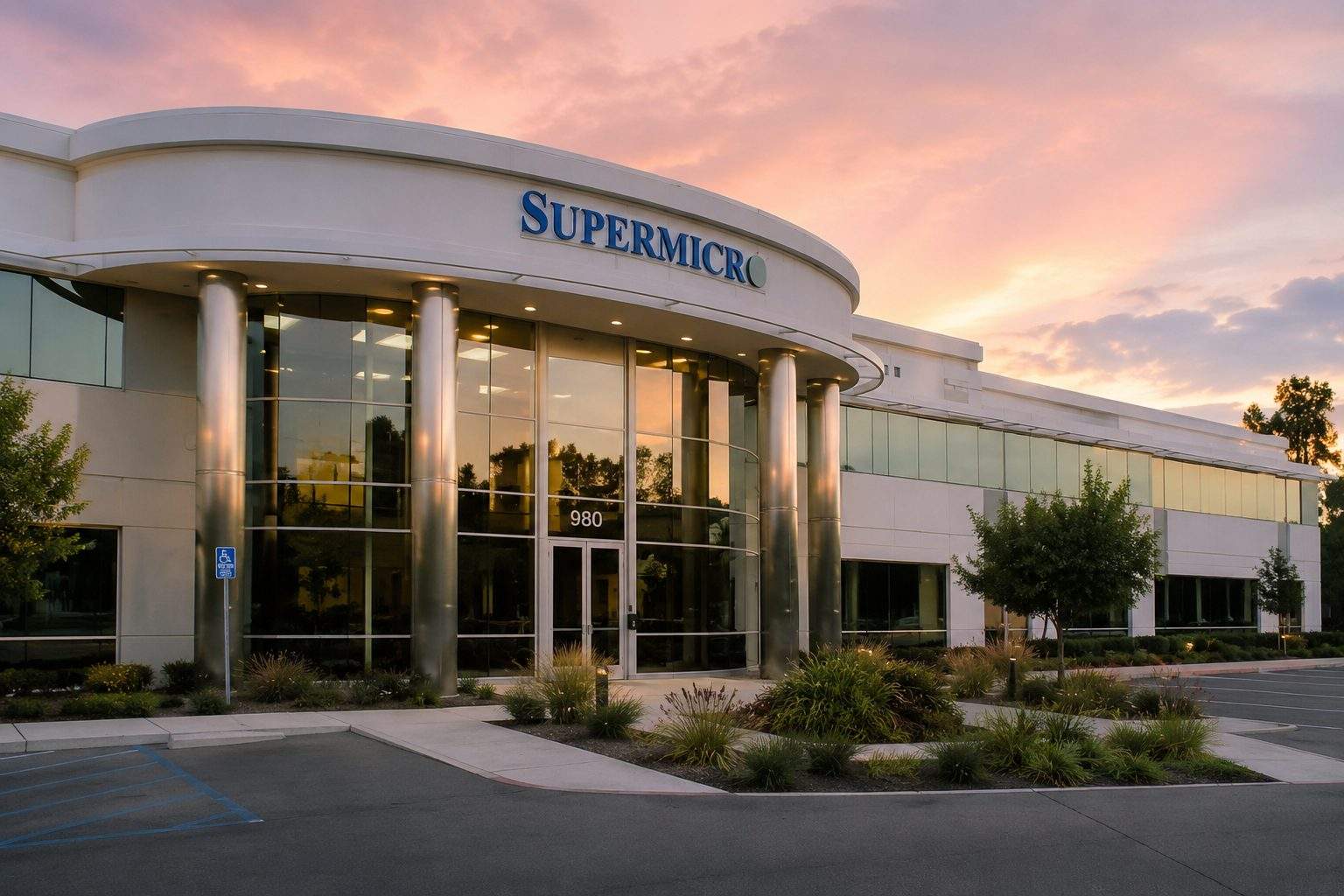
Super Micro Computer has become the contested stock in the AI infrastructure trade, with fresh Zacks Investment Research notes putting it ahead of Nebius Group for near-term appeal while saying Alphabet offers the safer way to own the same theme. A separate Zacks note said Teradyne may offer more upside than Cisco as chip-testing demand tied to AI accelerators lifts results.
The debate matters now because investors are no longer buying one simple AI story. Money is moving across the plumbing of artificial intelligence: servers, graphics processing units, or GPUs, used to train and run AI models, networking gear, cloud capacity and test equipment. Hyperscalers — the biggest cloud and internet companies — are still spending heavily, but the stocks tied to that spending now carry very different balance-sheet, margin and execution risks.
Before the opening bell, Super Micro last traded at $35.58, up $2.12 from its previous close. Alphabet was at $382.97, down $4.66, while Nebius slipped $5.42 to $214.77; Cisco and Teradyne were higher at $120.41 and $358.44, respectively.
Zacks said Alphabet looked like the safer long-term investment than Super Micro because Google’s parent controls more of the AI chain, from chips and data centers to models, cloud software and consumer distribution. It said both Super Micro and Alphabet carry a Zacks Rank #3, or Hold, but gave Alphabet the edge because of its broader AI ecosystem and stronger financial base.
Alphabet’s latest results support that view. The company reported first-quarter revenue of $109.9 billion, up 22%, while Google Cloud revenue rose 63% to $20.0 billion on demand for enterprise AI services and infrastructure. Chief Executive Sundar Pichai said Alphabet’s “full stack approach” was driving results across the business, and said cloud backlog nearly doubled from the prior quarter to more than $460 billion. SEC
Super Micro still has the sharper direct exposure to AI server buildouts. The San Jose, California-based company reported fiscal third-quarter net sales of $10.2 billion, compared with $4.6 billion a year earlier, and net income of $483 million. Founder and CEO Charles Liang said the company’s shift into a “total datacenter infrastructure provider is accelerating,” helped by margin recovery and growth in its Data Center Building Block Solutions business. Supermicro
Against Nebius, Zacks gave Super Micro the better call, citing its broader infrastructure portfolio, rising enterprise traction and estimates that have moved higher. Nebius, an Amsterdam-based AI cloud company, posted first-quarter revenue of $399 million, up 684% from a year earlier, but Zacks pointed to the capital intensity of its buildout and possible financing needs as it expands power capacity and cloud infrastructure.
That growth is real, but it is not cheap. Nebius lifted its 2026 capital spending forecast to $20 billion to $25 billion, Reuters reported earlier this month, as it races to meet demand from customers including Meta and Microsoft. Chief Executive Arkady Volozh said demand was running ahead of the company’s GPU supply, Reuters reported.
The third linked comparison widened the trade beyond servers and cloud. Teradyne reported record first-quarter revenue of $1.282 billion, up 87%, with $1.111 billion from its Semiconductor Test segment, and said about 70% of revenue was tied to AI-related demand. CEO Greg Smith said the results showed the strength of its “wafer to AI data center strategy.” Teradyne, Inc.
Cisco is not being left out. The networking group reported record fiscal third-quarter revenue of $15.8 billion and said it had taken $5.3 billion of hyperscaler AI infrastructure orders so far in fiscal 2026, raising its expected full-year AI infrastructure orders to $9 billion. CEO Chuck Robbins called Cisco “critical infrastructure for the AI era.” Cisco Investor Relations
The risks are just as concrete. Super Micro’s own release showed $6.6 billion of cash used in operations in the latest quarter and total bank debt and convertible notes of $8.8 billion, while the company also cited customer deployment delays. Separately, Reuters reported last week that Taiwanese prosecutors were investigating alleged illegal exports of high-end AI servers made by Super Micro with Nvidia chips; Super Micro was not named as a defendant in the earlier U.S. indictment and has said it is cooperating with authorities.
For investors, the split is the story. Alphabet offers scale and a deeper AI stack. Super Micro offers faster hardware leverage with more operational and regulatory noise. Nebius offers a cloud-capacity land grab, but with heavy spending. Teradyne and Cisco show that the AI buildout is spreading into test gear and networking, not just servers.