New York, May 29, 2026, 09:13 (EDT)
- American traded at $14.74 before the bell, up 0.6%. The stock finished Thursday at $14.65.
- American CEO Robert Isom stuck with the airline’s cut 2026 guidance, while also saying fuel costs are set to climb $4 billion to $5 billion this year.
- Nasdaq’s regular trading hadn’t started yet. Premarket trading happens before the 9:30 a.m. Eastern open and tends to be thin.
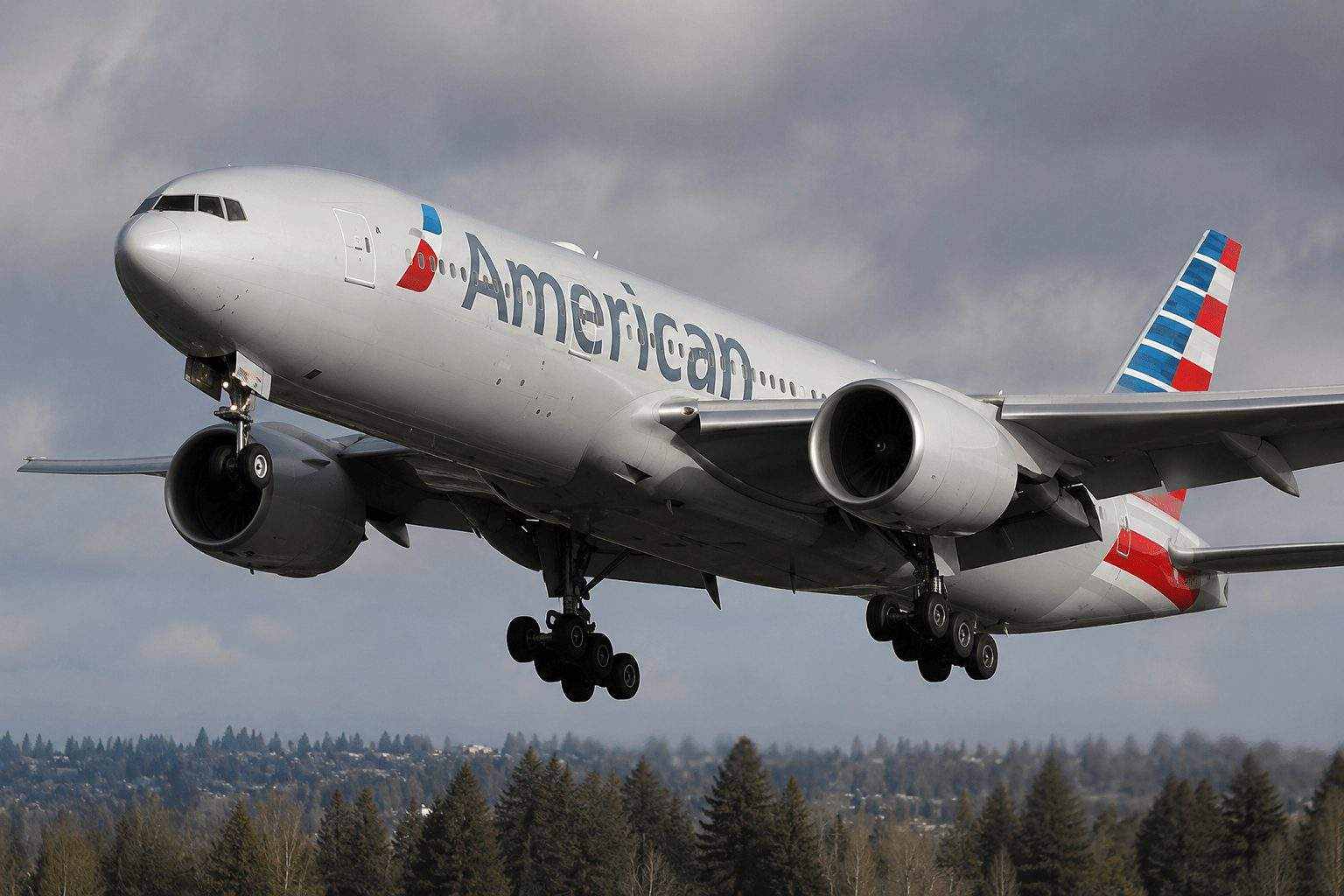
American Airlines Group shares picked up a bit in premarket trade Friday, after falling in the last session. Investors are balancing steady travel demand with rising fuel costs.
The stock changed hands at $14.74 in premarket trading at 9:07 a.m. EDT, up 0.6%. It finished Thursday at $14.65, down 1.8%. Regular trading on the Nasdaq would not open until 9:30 a.m. Eastern. Nasdaq lists its premarket hours starting from 4 a.m. to 9:30 a.m.
American’s 2026 outlook is on the table again because of fuel. CEO Isom told a Bernstein investor event on Wednesday that American is “not making any changes” to guidance, even though higher fuel prices are set to raise costs by $4 billion to $5 billion this year. He said demand is “no doubt” K-shaped — richer travelers spending more than others — but said travel keeps expanding across incomes. Second-quarter bookings are about 80% done. Reuters
American is looking for second-quarter revenue to climb 15% from last year with capacity up about 5%, Reuters said. Capacity measures the number of seats and flights an airline offers. CEO Isom said corporate travel is up 13% year over year and leisure demand remains “incredibly” strong.
American Airlines is looking to narrow its profit gap with Delta Air Lines and United Airlines by focusing on selling more premium seats. These higher-fare and roomier products have stronger margins. CEO Isom said premium seating will grow at twice the pace of main cabin seats, and lie-flat seats are set to climb almost 50% over three years.
Airline stocks traded firmer ahead of the bell. Delta ticked up 0.9%. United gained 2.2%. Southwest fell 0.9%. The U.S. Global Jets ETF, which tracks airline names, edged up 0.2%.
Stocks were set to open higher with Wall Street futures up after fresh records on Thursday. Reuters said the mood was boosted by falling oil prices and optimism over U.S.-Iran talks, quoting Bob Savage, head of markets macro strategy at BNY, who called it a “risk-on bias.” Oil prices make a difference for airlines because jet fuel is a big cost. Reuters
American has little cushion for a fuel spike, even after its record first-quarter revenue. The company posted $13.9 billion in revenue for the quarter in April, but still booked a GAAP net loss of $382 million, or 58 cents per share. Total debt is now $34.7 billion, the lowest since mid-2015, though that remains heavy for a cyclical airline.
Airline consolidation talk cooled this week after United CEO Scott Kirby said United has no plans to chase mergers any time soon, according to Reuters. American had turned down an approach from United, and Kirby called smaller deal rumors “idiotic.” American’s Isom dismissed the idea, saying it would hurt customers and competition. Reuters
American is adding a customer angle too. The airline said this week it plans to put Starlink Wi-Fi on over 500 narrowbody planes starting in the first quarter of 2027, aiming to upgrade its onboard offering on domestic and short-haul international routes. Heather Garboden, chief customer officer at American, said Starlink would keep travelers “connected in flight.” American Airlines Newsroom
But the downside risk is clear. Another spike in oil, softer demand from middle-income travelers, or trouble lifting fares could chip away at the revenue gains American needs. The stock’s premarket rise is modest. The bigger question is whether investors think demand can keep up with fuel before margins get pinched again.