New York, June 1, 2026, 16:02 (EDT)
- Constellation Energy shares dropped roughly 6.6% late Monday. Selling shareholders set the price on 11 million shares at $281 each.
- The company said it won’t get proceeds from the sale, but it agreed to repurchase 2 million shares from the underwriters.
- Utilities slipped behind the U.S. market on the day. Vistra and NRG shares fell too.
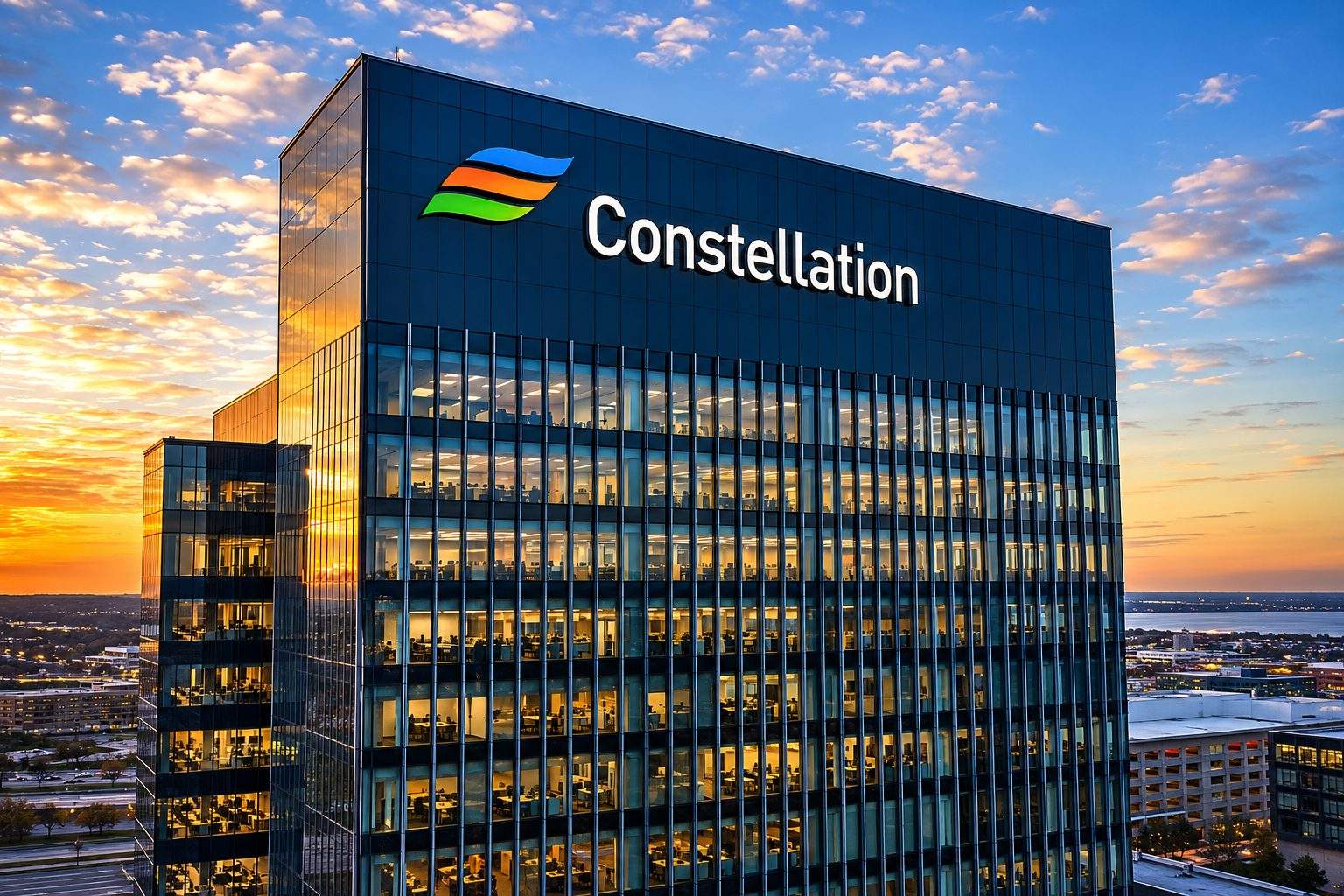
Constellation Energy shares slid Monday after existing holders set the price on an 11 million-share secondary offering. The block sale added pressure to a key nuclear-power trade on Wall Street that’s linked to artificial intelligence data-center demand.
Constellation shares dropped 6.6% to $268.90 late in the day, while the SPDR ETF tracking the S&P 500 edged higher and the Utilities Select Sector SPDR Fund slipped 2.7%. Vistra slid 3.5%, NRG Energy was off 3.6%. Power producers took a hit, but Constellation posted the sharper, stock-specific fall.
Supply is the focus now. This secondary offering is coming from existing holders who are selling stock; with no new shares issued, the company itself doesn’t get new funding unless it decides to sell. Constellation confirmed that the sellers set the price at $281 per share, totaling about $3.09 billion. The company said it won’t get any proceeds.
Constellation said it would buy back 2 million shares from the underwriters at the same price paid to the selling shareholders. The buyback depends on the closing of the offering. A repurchase cuts the number of shares out, as the company buys its own stock.
Morgan Stanley and J.P. Morgan are the underwriters for the offering, according to Constellation. The banks can also take an extra 1.35 million shares over 30 days from selling shareholders. Closing is set for June 2, pending usual conditions.
Constellation’s sale drops at a time when the group is seen as more than a utility, supplying constant power to data centers running AI workloads. The company is working to bring back the old Three Mile Island nuclear plant—now Crane Clean Energy Center—under a contract aimed at supporting Microsoft’s data centers in the area.
Constellation execs told Reuters in May that they thought U.S. regulators could rule in June or July on the company’s bid to shift some grid-injection rights from its Eddystone gas plant to Crane. These rights let a plant push power onto the grid. PJM gave early feedback that the Crane site might not be able to get electricity on the grid before 2031, according to Reuters.
“I don’t want anybody to be under the misconception of that the plant won’t start sooner,” CEO Joe Dominguez said on the May earnings call, Reuters reported. That comment still matters, since the restart is key to the company’s AI power pitch. Reuters
Constellation posted first-quarter GAAP net income of $4.49 a share and adjusted operating earnings of $2.74 a share, sticking to its 2026 full-year adjusted operating earnings target of $11 to $12 a share. Adjusted operating earnings back out some noncash or one-time items that can swing the bottom line. Monday’s action didn’t fully match the company’s stronger operating picture.
“America needs reliable, clean power and Constellation is built to meet this demand with the strength of our fleet and the solutions we’re delivering for customers,” Dominguez said in May when the company posted earnings. CFO Shane Smith said Constellation was sticking with guidance and sees “strong, visible cash flow.” Constellation
Calpine is included in the case. Reuters said in March that Constellation finished the $16.4 billion Calpine deal in January. The company merged its nuclear operations with Calpine’s natural gas and geothermal lines. Constellation now has over 5,650 megawatts in long-term clean-energy contracts.
The risk is clear. The market could see the offering as the beginning of more shareholder exits, or regulators could drag out the Crane restart. Either way, the stock might keep falling, with strong power demand not enough to hold it up. Any more grid access delays would hit the strongest point for the bulls: nuclear power locked in with tech buyers on long-term deals.