Washington, June 6, 2026, 11:02 EDT
2027 Social Security bump may not get an early call, retirees told
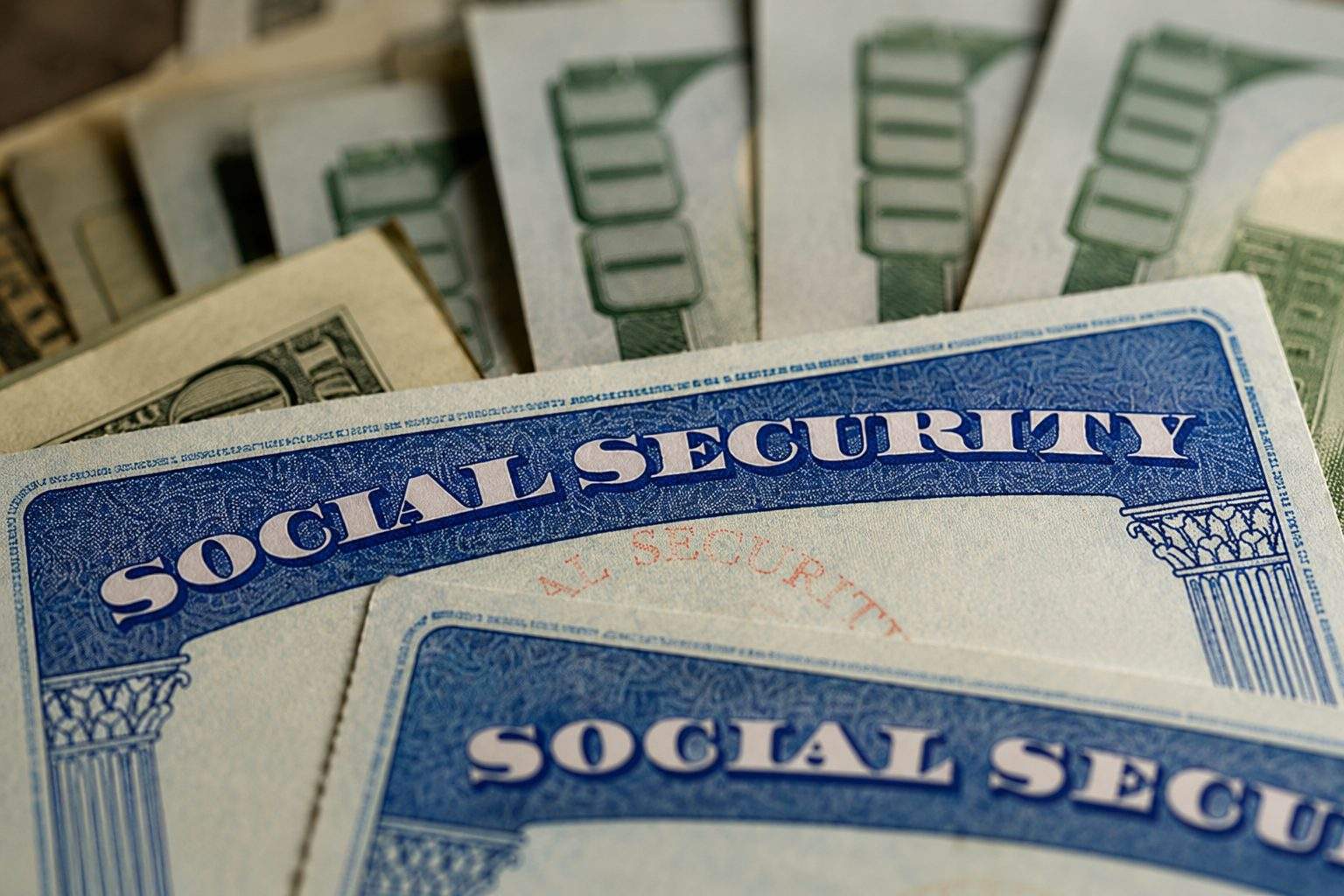
U.S. retirees are hearing not to expect an early call on a bigger 2027 Social Security increase, despite a high-profile estimate that puts next year’s cost-of-living adjustment at close to 4%.
The question is getting fresh attention as inflation picks up ahead of the three-month stretch that will determine the final figure. The Social Security cost-of-living adjustment, or COLA, is pegged to the Consumer Price Index for Urban Wage Earners and Clerical Workers (CPI-W). The number for 2027 depends on inflation in July, August and September, not what happened in April.
Social Security’s cost-of-living adjustment for 2027 could come in at 3.9%, according to The Senior Citizens League, The Motley Fool said Saturday, citing gains in the CPI-W index. That’s up from the 2.8% increase in 2026. The article estimated that a 3.9% COLA would boost the average retired worker’s benefit by about $81 a month.
But the outlook is still up in the air. The Motley Fool said Saturday that April fuel prices gave the CPI-W a lift, and if energy costs drop before the third quarter, the COLA could end up lower. Social Security’s calculation isn’t based on a yearly average. It relies on a limited inflation window.
Inflation’s latest reading is a reminder for retirees to keep an eye on the data, but not to make decisions based on it. The Labor Department said the Consumer Price Index for All Urban Consumers was up 3.8% in the 12 months ending April. Energy jumped 17.9% and food was up 3.2%.
“This is up quite a bit from earlier in the year,” Alex Moore, statistician at The Senior Citizens League, said in an email to CBS News last month. The Committee for a Responsible Federal Budget estimated 3.8%, but said it could range from 3% to 4.5%, based on where inflation goes in the next several months. CBS News
For a lot of retirees, the main worry isn’t the headline COLA. What counts is the check after Medicare comes out.
Social Security payouts for 75 million Americans got a 2.8% bump in 2026, the agency said, with monthly retirement checks up about $56 on average. Commissioner Frank J. Bisignano called the move “a vital part” of the program’s mission. Social Security
Medicare premiums are rising again. The Centers for Medicare & Medicaid Services put the standard monthly Part B premium for 2026 at $202.90, which is $17.90 higher than 2025’s rate. About 8% of Part B enrollees pay extra because of income-related surcharges, according to the agency.
IRMAA, or income-related monthly adjustment amount, is how Medicare adds surcharges for higher earners. For 2026, the surcharges kick in for those with modified adjusted gross income above $109,000 for individuals or $218,000 for joint filers.
Medicare’s so-called cliff effect hit a retiree in a 24/7 Wall St. story this week. The article looked at how a Roth conversion in 2024 can push up income, which then triggers higher Medicare premiums in 2026 since those premiums go off tax returns from two years before. In the example, a 2.8% Social Security boost ended up wiped out by new Medicare charges, costing the retiree about $240 more per month.
There’s a chance inflation might slow before the COLA calculation window, meaning the final bump could come in lower than forecasts, even as Medicare and other bills keep climbing. A bigger COLA just points to higher prices—most of that money gets eaten up by fuel, groceries, rent, and medical costs, not extra cash for retirees.
The 2027 COLA will stay unknown until October. Retirees are left watching the CPI-W as it shifts through the summer, waiting on Medicare premium details, and dealing with tax-return timing that can make a brief income jump cause a tax hit down the road.