
NEW YORK, June 7, 2026, 15:57 (EDT)
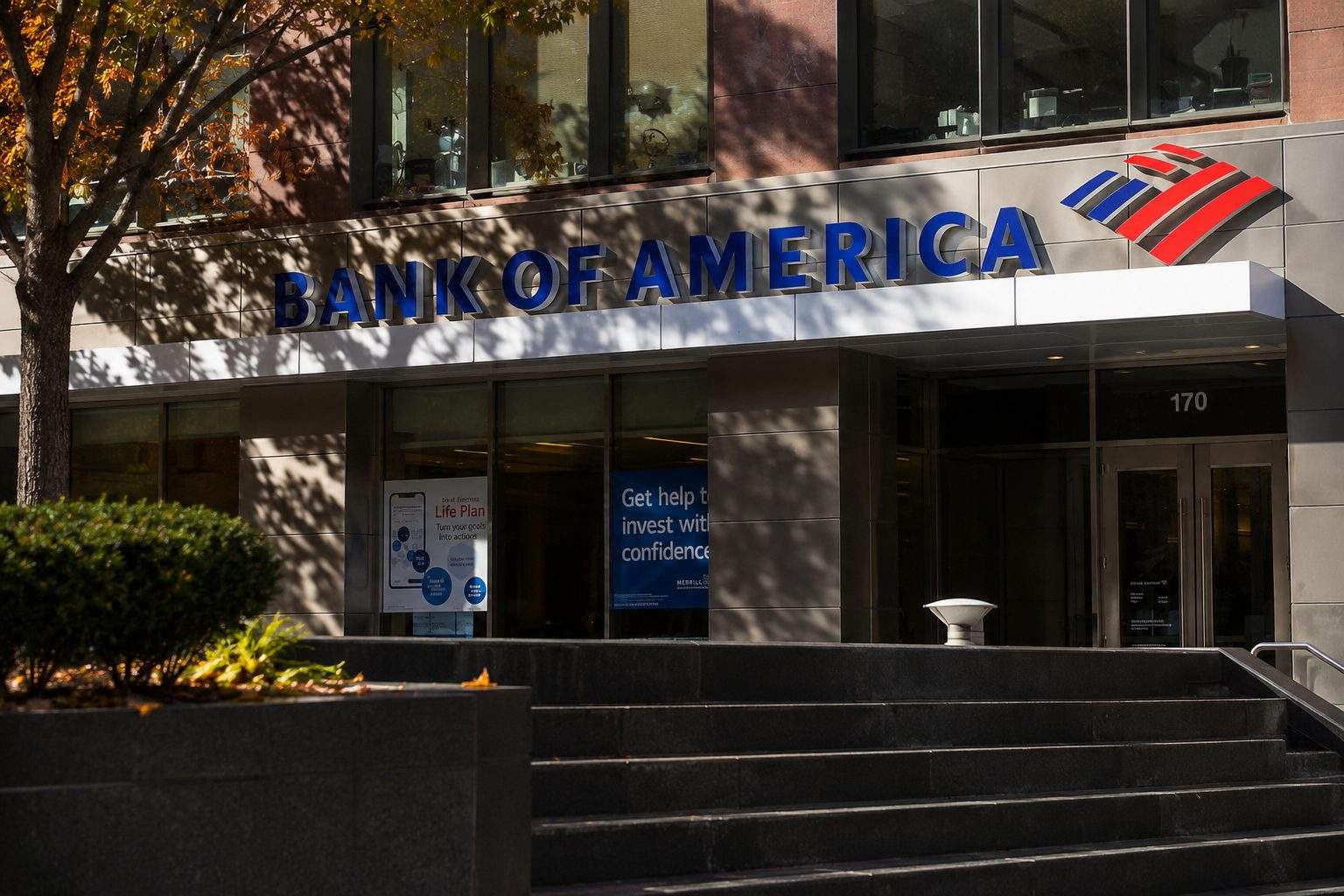
Bank of America Corp. closed out Friday at $53.83, with shares stuck as traders weigh a firm U.S. jobs report, climbing bond yields, and a scheduled update from a senior executive on Tuesday. The regular NYSE hours are 9:30 a.m. to 4:00 p.m. ET, so Friday’s close was the last regular-session price.
The rate picture changed sharply on Friday, after U.S. payrolls climbed by 172,000 in May, Reuters said. Treasury yields jumped as markets priced in more rate hikes. That tends to boost lending margins for banks but can also make it tougher for borrowers.
Bank of America is still tied to interest rates, which the stock reflects. In April, the bank reported first-quarter net interest income up 9% at $15.7 billion. Net income rose to $8.6 billion. CEO Brian Moynihan said he was “watchful of evolving risks” but described client activity as fitting a “resilient American economy.” Bank of America Corporation
Bank of America jumped 3.38% to $54.17 on Thursday after buyers came in for bank stocks, but the stock lost some of that ground Friday. The move came as the overall market dropped following jobs numbers. Last week’s trading stayed choppy.
Big banks traded in different directions Friday, leaving Bank of America’s action looking tied to its own story instead of the whole sector. JPMorgan Chase finished up 0.48% and Wells Fargo added 0.39%. Citigroup shares fell 1.98%.
Financial shares hung in as growth names sold off. The Financial Select Sector SPDR Fund closed up 0.19% on Friday. In comparison, the SPDR S&P 500 ETF dropped 2.61%. The Invesco QQQ Trust, which is packed with tech, fell 4.77%.
The jobs data beat forecasts and pushed Treasury yields way up, NYSE strategists Michael Reinking and Eric Criscuolo said Friday. They wrote that “it’s hard to argue” markets weren’t due for a pullback, and said the coming week will center on inflation numbers. New York Stock Exchange
Bank of America shareholders are looking ahead to Tuesday, when Co-President Jim DeMare is set to appear at the Morgan Stanley U.S. Financials Conference at 10:30 a.m. ET. Investors usually watch this event for any commentary on deposit costs, loan appetite, trading, and capital plans.
Fed sticks with current capital rules. The central bank is keeping large-bank capital buffers unchanged through 2026 as it looks at tweaks to the stress-test regime. The stress capital buffer is the extra layer of common equity a big bank needs to hold after the Fed’s severe downturn scenario.
The rate trade still goes both ways. Hot inflation numbers next week could push yields higher, helping net interest income, but that could also hit loan growth and make life harder for consumer credit and for investment banking and trading. Last week, the IMF said U.S. inflation risks are still high and called for caution from the Federal Reserve.
Banks face another risk if yields pull back—either because inflation dips or growth concerns return. Any boost to margins could slip away. Investors might then turn their focus to issues like rising expenses and credit-card losses, and question if Thursday’s rally was just cash moving out of tech stocks instead of real demand for bank shares.
Bank of America is set to report earnings on July 14. Before then, shares could react to interest rate moves, inflation numbers, and new signals from DeMare about whether first-quarter strength has lasted into summer.
Related articles: NYSE:BAC