
NEW YORK, June 10, 2026, 13:02 (EDT)
- Caterpillar shed about 6.2% to around $858, putting pressure on the Dow in midday trade. CAT was among the top laggards.
- Investors pulled back from industrials as inflation, rates, and geopolitical concerns flared up again, triggering the selloff.
- The question now is if Caterpillar’s AI-related power demand and its record backlog will be enough to take on tariff costs as it heads for second-quarter earnings in August.
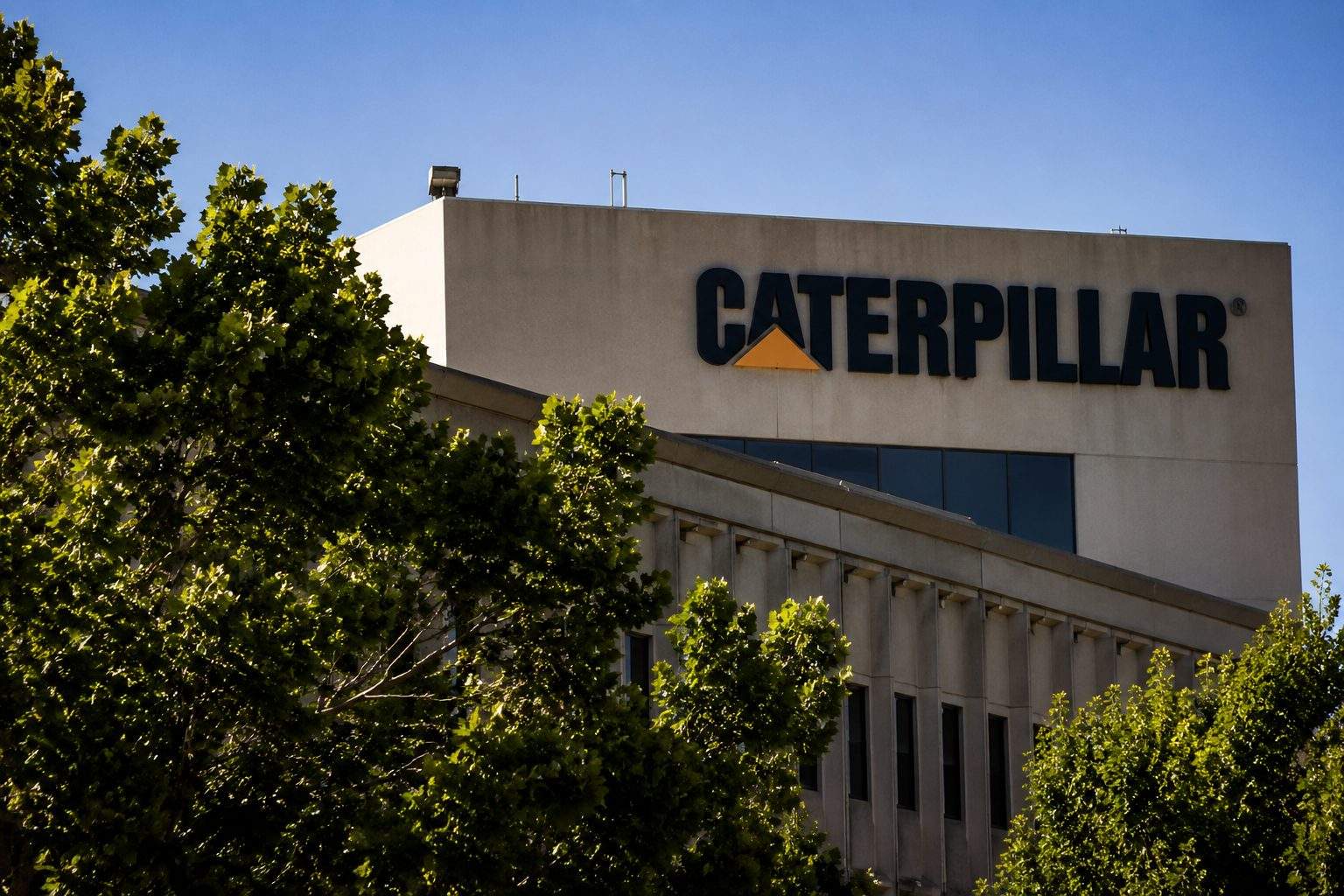
Caterpillar Inc. shares fell hard Wednesday, putting pressure on the Dow Jones Industrial Average as the stock retreated after flirting with record highs days earlier. CAT was last seen at $858.12, off $56.58, or 6.2%. Shares changed hands between $855.13 and $911.91 during the session. Because the Dow is price-weighted, big moves in stocks like Caterpillar, with higher prices, move the index more than lower-priced names.
Dow’s early drop had Caterpillar and Honeywell at the center. Earlier Wednesday, MarketWatch said those two names were responsible for about 386 points of the Dow’s 663-point morning fall. Each $1 in a Dow stock shifts the index by 6.16 points, according to their math. Caterpillar moved the needle more.
Stocks sold off across the board. Reuters said the Dow, S&P 500 and Nasdaq were all in the red with tech shares under pressure, U.S.-Iran tensions rising, and the May CPI print showing inflation running 4.2% higher than last year. The S&P 500 industrials index dropped 2.4%, meaning investors were moving out of cyclical stocks as well, not just pricey AI chips and software.
Caterpillar is trading as more than just a construction and mining name lately. Its Power & Energy unit, which does engines and turbines, is giving it exposure to AI infrastructure. Data centers are driving demand for big, steady electricity, and Caterpillar is selling into that trend. First-quarter results showed Power Generation sales up 41%, with growth in large engines and turbines, and most of that is coming from the data center side, the company said in its filing.
Wednesday’s drop hurts. The stock has climbed on the idea that Caterpillar’s old-school machines now play into a top Wall Street growth theme. Caterpillar posted first-quarter sales and revenue of $17.4 billion, up 22% from the same time last year. Adjusted profit per share came in at $5.54. That figure leaves out restructuring costs and aims to show investors steady earnings.
CEO Joe Creed’s April call sticks as the main bull case. “A record backlog provides a strong foundation for continued positive momentum,” Creed said on Caterpillar’s earnings day. The company later pegged its backlog at $62.7 billion in Q1, said that’s a record, and reported the figure was up $27.7 billion from the year before. SEC
Investors weren’t just buying on reported earnings. They were betting power demand, construction gains and dealer orders would all keep rising. The drop on Wednesday shows traders may be getting more cautious about price and bigger market risks. Higher rates cut into the value of future profits, and inflation can squeeze equipment buyers, make projects harder to finance and push up costs for manufacturers.
Nearby industrial stocks took a hit too, but losses were scattered. Cummins dropped roughly 4.8%. Paccar, which makes trucks, shed about 3.4%. Deere, which makes equipment for farming and construction, slipped less than 1%. The split points at a risk-off mood across the sector, but Caterpillar felt it most, with shares taking a bigger hit, likely because of its run-up.
Caterpillar’s strong performance could already be priced in, but not all costs are clear yet. Tariffs are still the main threat to margins right now. The company forecast about $700 million in tariff costs for the second quarter and $2.2 billion to $2.4 billion for the year. Still, Caterpillar expects second-quarter adjusted operating profit margin to come in higher than last year.
Caterpillar is not out of the woods on demand. First-quarter sales got a lift from dealers raising inventories and more equipment sales to end users. Dealer inventory makes growth look better when restocking, but that can flip if orders slow. The company’s retail-sales filing notes global economics, swings in commodity prices, demand, and trade policy can all drive results away from forecasts.
Caterpillar’s second-quarter earnings are set for Aug. 4. The call is the next hard catalyst on the calendar. Investors want to see if demand for data-center power and the $62.7 billion backlog are still holding up against tariffs, inflation, and slower dealer orders.
Related articles: NYSE:CAT