New York, June 13, 2026, 09:03 (EDT)
- SpaceX’s last quoted price for SPCX was $160.95, topping its $135 IPO price. Shares traded from $150.20 to $176.45 during the debut.
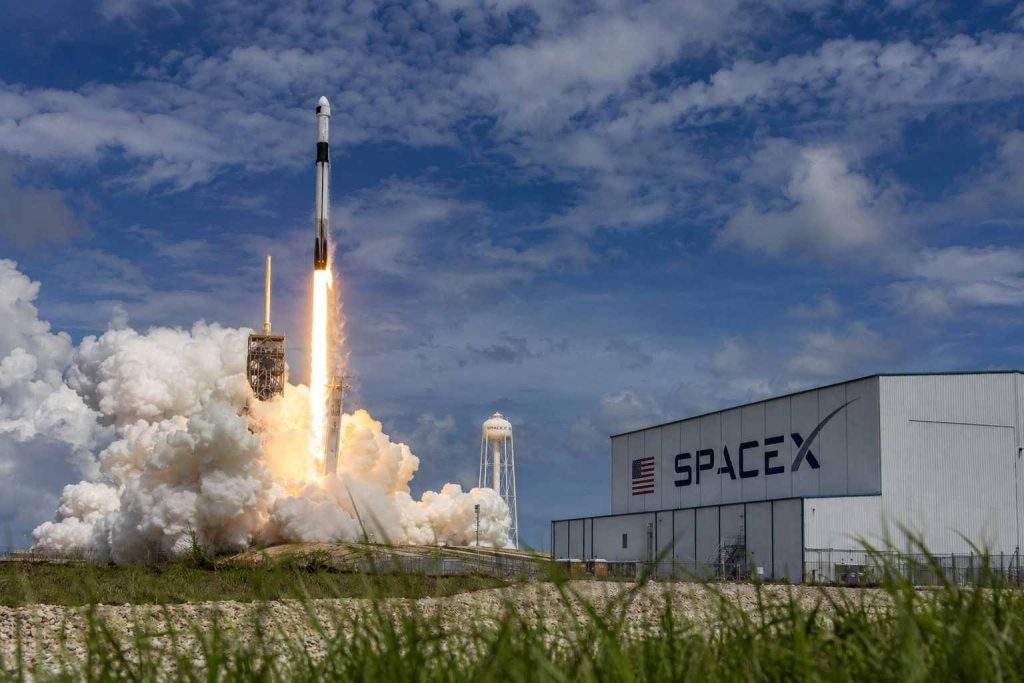
- Space Exploration Technologies Corp. has sold 555,555,555 Class A shares and is now trading on the Nasdaq Global Select Market and Nasdaq Texas under the ticker SPCX.
- Options trading may start as early as Tuesday, which traders say could shift the market. Index-inclusion calls are also on the table, with potential to steer institutional flows.
Space Exploration Technologies Corp. grabbed attention among new listings after its blockbuster IPO. The company set SPCX at $135 a share, bringing in $75 billion. The stock quickly traded higher—latest quote was $160.95, putting SpaceX nearly 19% above the issue price. Early investors sat on quick gains, while latecomers paid up compared to the IPO allocation.
SpaceX became a public company with a valuation of $1.77 trillion at its IPO, making it a megacap stock right out of the gate. Shares jumped on the first day, sending the company’s market cap above $2 trillion while trading. Nasdaq noted the debut, saying SPCX listed on the exchange on June 12. Reuters has the details .
Bulls say the appeal is clear: investors want a piece of a business that blends launch, Starlink internet, and a new AI unit. SpaceX, in the filing, posted 2025 revenue at $18.67 billion, up from $14.02 billion for 2024. It put Starlink subs at around 10.3 million at the end of March 2026. The Connectivity division brought in $7.17 billion of Segment Adjusted EBITDA in 2025. Adjusted EBITDA strips out interest, taxes, depreciation and amortization, and is a non-GAAP metric commonly used to judge cash generation from operations.
Valuation and execution risk are the main bear arguments. SpaceX logged a net loss of $4.94 billion for shareholders in 2025, and another $4.28 billion net loss in the first quarter of 2026. Its AI division has soaked up spending, with significant operating losses. After buying xAI, SpaceX said the AI business is still in the early days, needs a lot of capital, and faces integration and competitive risks.
Governance is yet another reason for a possible discount, investors say. The filing shows Class B common stock will carry ten votes per share, while Class A gets one. Elon Musk will have significant sway over the company and its board, according to the filing. SpaceX expects to qualify as a “controlled company” under Nasdaq and Nasdaq Texas guidelines, so Class A shareholders would lose out on some governance rights that apply to companies under the full set of corporate-governance rules.
Trading dynamics could drive the next move, rather than any news from the company. According to Reuters, options trading on SPCX might launch as soon as Tuesday. Options give holders the right to buy or sell shares at a fixed price for a certain time. That could mean bigger swings in the stock, since bulls can use leverage and bears can get exposure without having to short shares. Reuters also says Nasdaq is tweaking rules to help SpaceX get into the Nasdaq 100. MSCI will use early-inclusion rules for big IPOs. S&P Global has decided not to fast-track SpaceX into the S&P 500.
Investors have an eye on SpaceX’s greenshoe option, the over-allotment tool that lets underwriters pick up extra shares at the IPO price to help steady the first trades. SpaceX gave its underwriters a 30-day window to buy as many as 83,333,333 more Class A shares at $135 each. Reuters reported a full take could mean about $11.2 billion more in capital. The move may keep trading steady if demand holds up, but it also bumps up the number of shares available on the market.
SPCX looks risky today rather than clearly attractive or fairly valued on the headline numbers. The company owns rare growth assets and is seeing strong investor demand. But the stock is already factoring in a long stretch of flawless execution across rockets, Starlink and AI, while losses, tight governance, and early trading volatility are still big risks. For now, options activity and index buying will probably show whether demand holds up — or if early excitement turns into profit-taking after the debut.