
New York, June 18, 2026, 14:01 (EDT)
- Freddie Mac said the average 30-year fixed mortgage rate in the U.S. eased to 6.47% from 6.52%. The 15-year fixed rate dropped too, now at 5.81%.
- Stocks fell after Treasury yields moved lower, with a first-step U.S.-Iran deal easing oil-market nerves and cutting at least one route for inflation.
- The relief isn’t much. The Federal Reserve left rates unchanged this week and signaled firmer inflation, leaving mortgage borrowers open to another potential increase.
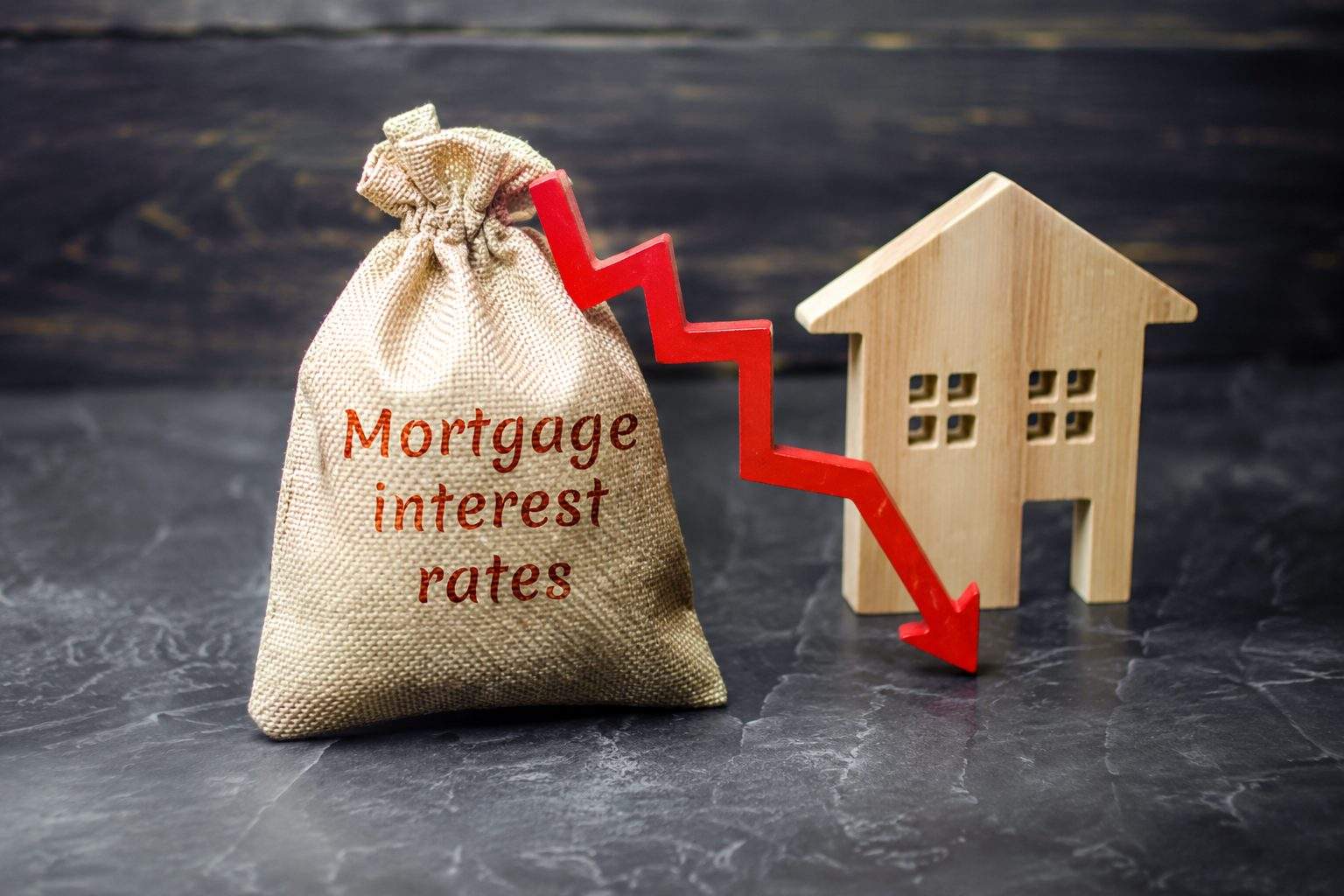
Mortgage rates in the U.S. edged lower this week after a U.S.-Iran deal helped cool oil and bond markets. Freddie Mac on Thursday put the average 30-year fixed rate at 6.47%, down five basis points from last week’s 6.52%. A year ago that rate was 6.81%.
Timing is key with buyers heading into the summer housing market strapped for cash and unable to budge much. Mortgage rates tend to follow the 10-year Treasury yield, which dropped to around 4.44% Thursday after sitting at 4.53% last week. Markets cut some geopolitical risk.
No affordability reset yet. The Fed held its overnight lending-rate target at 3.50% to 3.75% on Wednesday. New projections from officials showed higher inflation expectations than in March, a mix that can keep long-term borrowing costs sticky even as oil prices fall.
The average rate for a 15-year fixed mortgage at Freddie Mac dropped to 5.81% from 5.84% last week, and was 5.96% a year earlier. Sam Khater, Freddie Mac’s chief economist, said recent data show consumer spending is holding up and “purchase demand” is seeing slight gains. markets.businessinsider.com
Borrowers aren’t seeing huge changes from the latest rate move. On a $400,000 30-year mortgage, dropping from 6.52% to 6.47% means about $13 less each month on principal and interest. That’s before taxes and insurance. That number rises to around $90 less a month compared with last year’s 6.81%. It could shift some buyers’ searches, but prices are still high.
Rate screens diverged. Bankrate’s national average for a 30-year fixed was 6.51%, The Wall Street Journal reported. Zillow-based daily data from Yahoo Finance had the 30-year purchase rate at 6.24%. Different lender pools, reporting times, and borrower details drove the gap. The trend was more important than the number.
Oil moved first. Brent crude dropped to its lowest point since before the Iran war, and U.S. crude followed it lower. An interim deal opened the door to the Strait of Hormuz reopening and lighter sanctions. That “removes the big risk premium” from crude, Phil Flynn at Price Futures Group said. Reuters
The deal faces execution challenges. Reuters said key sticking points, like Iran’s nuclear program, are set for a 60-day negotiation window. Goldman Sachs, BNP Paribas and Bank of America see it taking weeks or months before Hormuz oil flows return to normal. A spike in energy prices could push Treasury yields and mortgage rates higher.
Pending home sales picked up before the rate decision on Thursday. The National Association of Realtors said contracts to buy existing homes climbed 3.8% in May, the biggest increase since November, while sales of existing homes rose 3.2% to a 4.17 million annual rate. NAR economist Lawrence Yun said there is still not enough supply to slow price gains.
Mortgage experts don’t see big moves down for rates now. Kate Wood at NerdWallet said Iran headlines could take off some heat, but the Fed’s in no mood to let mortgage rates drop much. Eric Orenstein at Fitch put it more directly—lenders shouldn’t hope for a 2026 refinancing boom.
Cleaner readings in the mortgage market are offering some relief, but not a full reversal. Mortgage rates in the mid-6% range could see a few buyers return if inventory ticks up, though this isn’t cheap money like during the last bull run. Right now, borrowers are facing a set of tough choices: a small drop in mortgage quotes, home prices that remain high, and a Fed that hasn’t called it on inflation.
Related articles: NYSE:BAC