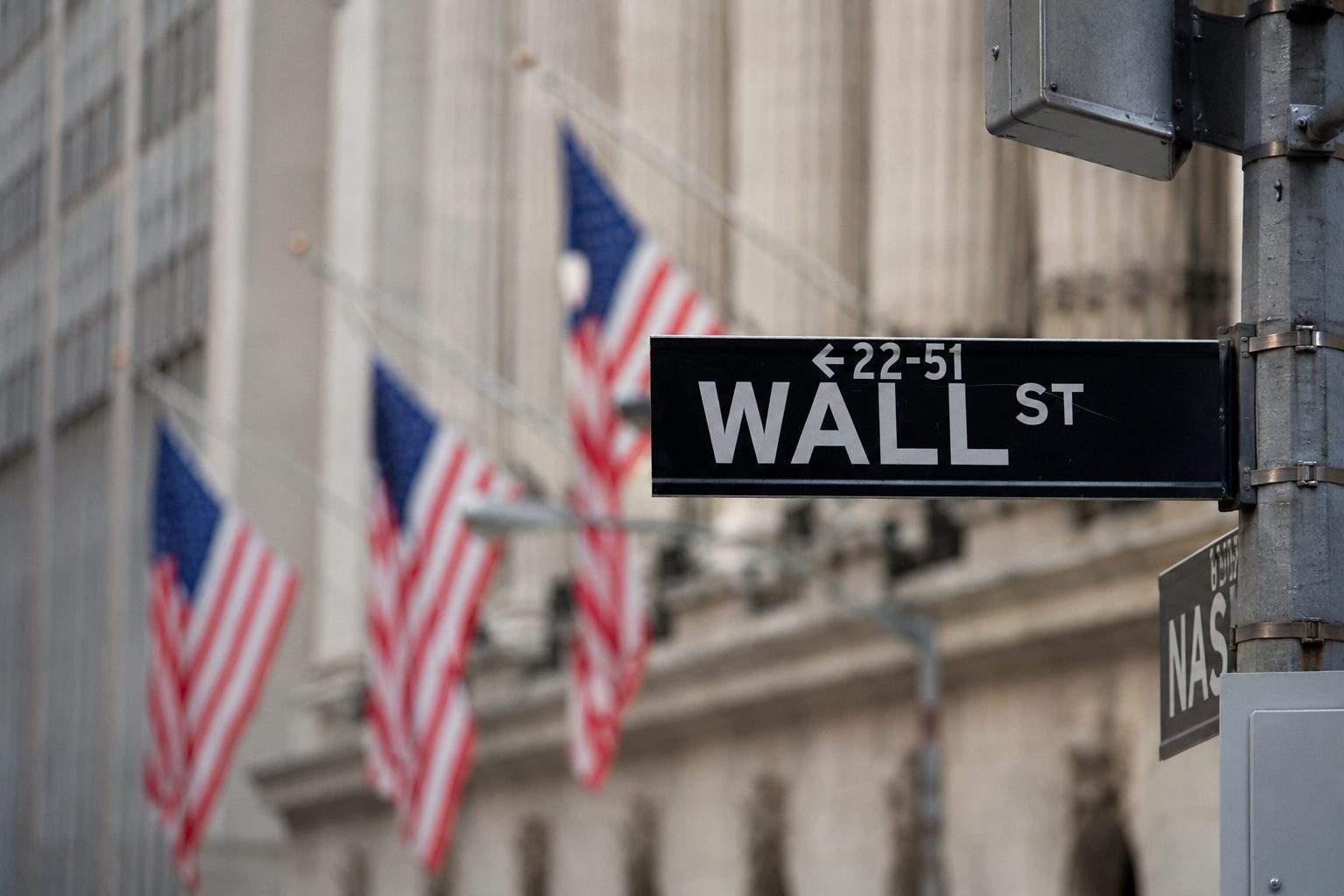

NEW YORK, June 22, 2026, 16:02 EDT
- The S&P 500 lost 0.48% and the Nasdaq slipped 1.41%. The Dow managed a 0.12% gain. Losses in Alphabet and other big tech stocks weighed more than sector gains elsewhere.
- Alphabet NASDAQ:GOOGL lost roughly 5.5%-6%. Meta, Amazon and Microsoft shares fell too, with investors raising concerns about big AI infrastructure costs.
- Market math told the real story. Eight out of 11 S&P 500 groups were up, but because the index uses float-adjusted market-cap weighting, gains in smaller stocks didn’t move the needle as much as moves by the biggest names.
Alphabet NASDAQ:GOOGL weighed on U.S. stocks Monday, sending indexes in different directions. The S&P 500 slipped 0.48% to 7,464.36 and the Nasdaq Composite fell 1.41% to 26,143.95. The Dow Jones Industrial Average managed a 0.12% gain to 51,628.79, according to LSEG data on Reuters.
Alphabet NASDAQ:GOOGL dropped as worries over AI costs and staff exits put pressure on big tech, but financials and industrials climbed. Oil was down. The Dow held in the green. It wasn’t just a straight risk-off session.
Alphabet dropped 5.5%. Meta Platforms NASDAQ:META, Amazon.com NASDAQ:AMZN and Microsoft NASDAQ:MSFT each lost between 2% and 4.2%, dragging the S&P 500 communication-services index down 4%. Reuters said Google DeepMind scientist John Jumper, a Nobel laureate, is leaving for Anthropic, which stirred more concerns over AI competition.
AI stocks swung on sentiment again, Bill Northey at U.S. Bank told Reuters. He said the group still has “some of the strongest fundamentals,” especially with spending on AI data centers. Markets split—the session saw investors lighten up on companies making big AI investments, while a few suppliers picked up buyers. Reuters
Index construction, not just headlines, drove the move. S&P Dow Jones Indices said its U.S. indexes use float-adjusted market cap for weights, so bigger names have more pull. This meant that a few megacap drops outweighed gains, even with eight out of 11 sectors up.
David Wagner at Aptus Capital Advisors said the AI market is splitting between those “receiving the checks” and those “writing the checks.” Micron Technology NASDAQ:MU is set to report this week, with investors watching as a supplier yardstick. Reuters reported its shares have jumped this year after an Anthropic supply deal. Reuters
Oil fell and helped take some heat off other sectors. Brent crude dropped 3.38% to settle at $77.90 a barrel as U.S.-Iran talks made headway, Reuters reported. The 10-year Treasury yield moved up to about 4.51%, pressuring long-duration growth stocks, or shares traders say depend on future earnings.
Cheaper oil didn’t remove rate risk. The Fed kept its target rate at 3.5% to 3.75% last week and said inflation is still over 2%. The next personal consumption expenditures price index, the Fed’s main inflation measure, comes out June 25.
AbbVie NYSE:ABBV is buying Apogee Therapeutics NASDAQ:APGE for $135.11 a share cash, putting the deal at around $10.9 billion. AbbVie CEO Robert A. Michael said the buy adds to its immunology unit.
SpaceX NASDAQ:SPCX slipped again, days after its IPO, as the company sold bonds instead of more shares. Adam Sarhan, CEO at 50 Park Investments, told Reuters that by raising cash with bonds, SpaceX avoided “shareholder dilution.” The move points to funding structure mattering even for AI-tied firms with lots of cash. Reuters
The setup is shaky. A hotter PCE read or more yield gains could quickly shift Monday’s low-volume rotation into a bigger selloff if AI optimism wavers. If inflation comes in soft, traders may start buying outside the big megacaps. BofA and Deutsche Bank now see Fed hikes in September, but those forecasts are still out of step with the steady-rate consensus.
Related articles: NASDAQ:META


![US Stock Market Today 08/23/2026 [UPDATE: 08:13 EDT] [Nvidia and PCE Face a Bond-Stressed Market: Weekly Recap and Week Ahead]](https://ts2.tech/wp-content/uploads/2026/08/US-market-dashboard-2026-08-23-0810-480x384.jpg "US Stock Market Today 08/23/2026 [UPDATE: 08:13 EDT] [Nvidia and PCE Face a Bond-Stressed Market: Weekly Recap and Week Ahead]")