Seoul, July 9, 2026, 22:04 (KST)
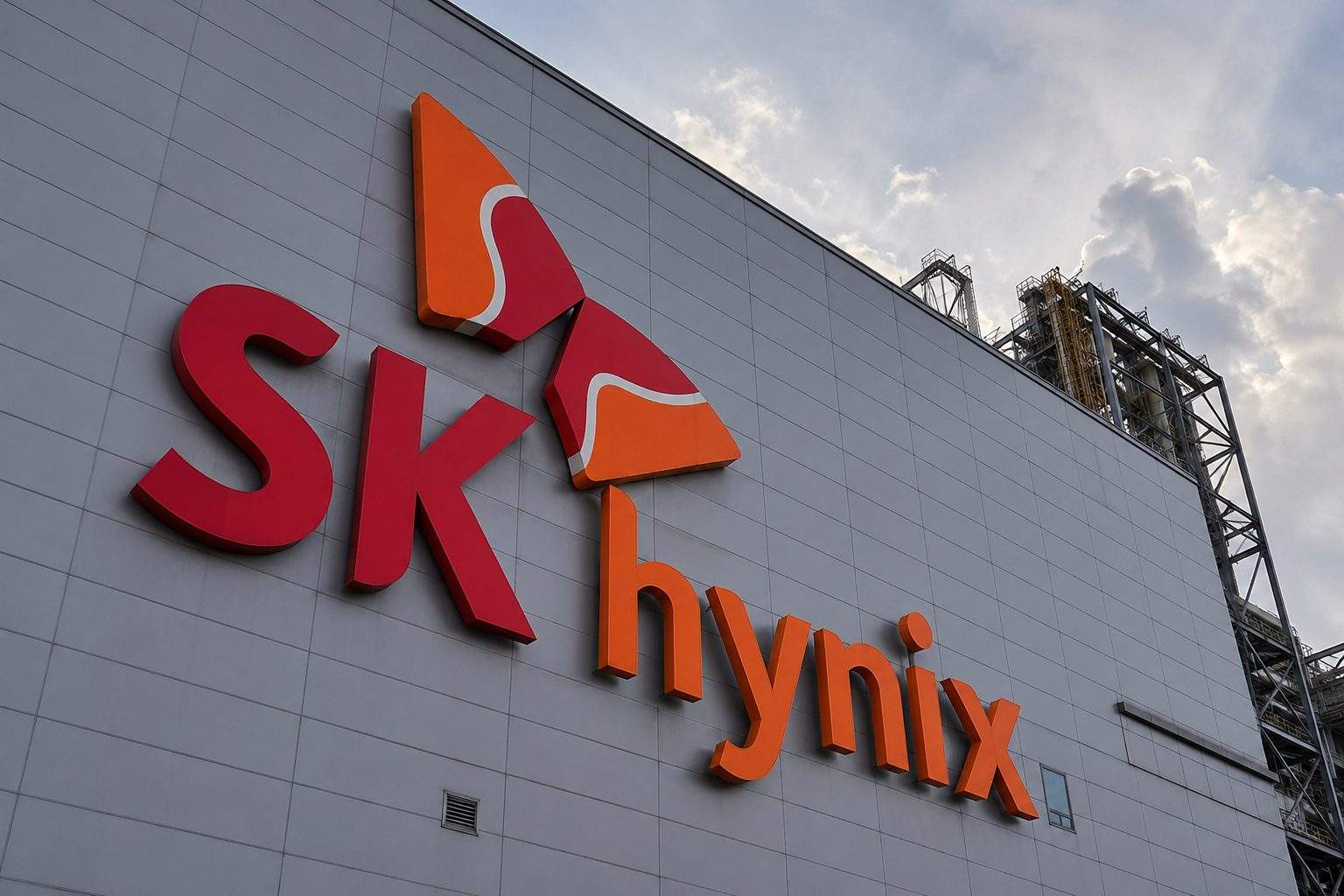
SK Hynix’s U.S. share sale is seeing heavy demand, more than seven times oversubscribed, Reuters said, citing a source. The South Korean memory-chip maker is set for one of the biggest equity deals on record as investors look for AI supply chain exposure. SK Hynix declined to comment to Reuters.
Timing is key here. The deal means U.S. investors get a direct way into SK Hynix with American depositary receipts, or ADRs—U.S.-traded securities tied to foreign stocks—right as demand for high-bandwidth memory is still tight. That’s the quick memory used with AI chips. SK Hynix said it’s offering 177.9 million American depositary shares, each representing one-tenth of a regular share, and it’s filed to list them on Nasdaq as SKHY.
ADRs are set to begin trading Friday, July 10, with final pricing scheduled for Thursday in New York. MarketWatch reported the deal could raise around $25.7 billion if lead banks match Thursday’s Seoul close, putting it behind only SpaceX in terms of equity offerings.
The stock in Seoul closed regular trade up 5% at 2,186,000 won on Thursday, according to Reuters. Shares are still down about 25% in the last two weeks. Over the past 12 months, though, they’re up around 680%, as both earnings and investor demand climb.
SK Hynix is a key supplier in the AI push, out front in the HBM chips that data-center processors need most. “As long as there is demand for graphic processors and AI data centers, SK Hynix is indispensable,” said Yoo Hoi-jun, an electrical engineering professor at the Korea Advanced Institute of Science & Technology. Reuters
SK Hynix says it won’t just use the cash to beef up its balance sheet. The company plans to put the money toward chip plants in South Korea and new equipment, such as ASML’s extreme ultraviolet scanners for making advanced chips. Reuters reported earlier that SK Hynix was looking to issue as many as 17.79 million new common shares as part of the ADR listing.
Competition is a key part of the story. Listing in the U.S. could help SK Hynix close some of the valuation distance with Micron Technology, its main memory rival in the U.S., despite SK Hynix leading in AI memory. Reuters reports Micron trades at 6.66 times forward earnings, while SK Hynix trades at 5.5 times. The metric tracks share price against expected profit.
Samsung Electronics is still the main local rival as AI boosts demand, but SK Hynix has taken the lead in HBM. SK Hynix was top in the global HBM market with a 56.4% share in the first quarter, according to Yonhap, which cited an amended filing and IDC numbers. The company was also second by revenue in NAND flash memory.
Analyst views are mixed on how much the Nasdaq listing changes things for SK Hynix. Ryu Young-ho, senior analyst at NH Investment & Securities, said listing on Nasdaq next to Micron gives SK Hynix “an opportunity to be re-rated in the U.S. market.” Gary Tan, portfolio manager at Allspring Global Investments in Singapore, said the big raise signals limited dilution when you compare it with SK Hynix’s mid-term capex plans. Reuters
There’s a lot of money riding on the deal for Wall Street. The Financial Times said banks like Bank of America, Citi, Goldman Sachs and JPMorgan stand to pull in over $140 million from the IPO, with a 0.5% fee on the capital raised and a possible bonus fee on top.
The trade comes with real risk. The final price could still get cut if the stock’s slide forces a discount. That “Korea discount” from governance issues might stick around, even once SK Hynix goes public in the U.S. Demand for AI chips is up, but memory chips are still tied to the cycle. There’s also litigation: SK Hynix added a disclosure about a U.S. antitrust class action over conventional DRAM in an updated filing, saying indirect purchasers filed the case, Yonhap said. Reuters Yonhap News Agency
The next step is direct: price the book, hand out shares, and start Nasdaq trading. A source told Reuters that SK Hynix should send U.S. dollars to South Korea by about July 15 and convert some of those proceeds into won. That incoming flow could move local currency markets and matter for chip stocks.