ISSAQUAH, Washington, July 9, 2026, 08:02 (PDT)
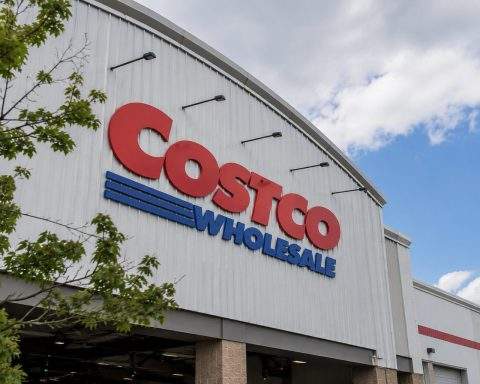
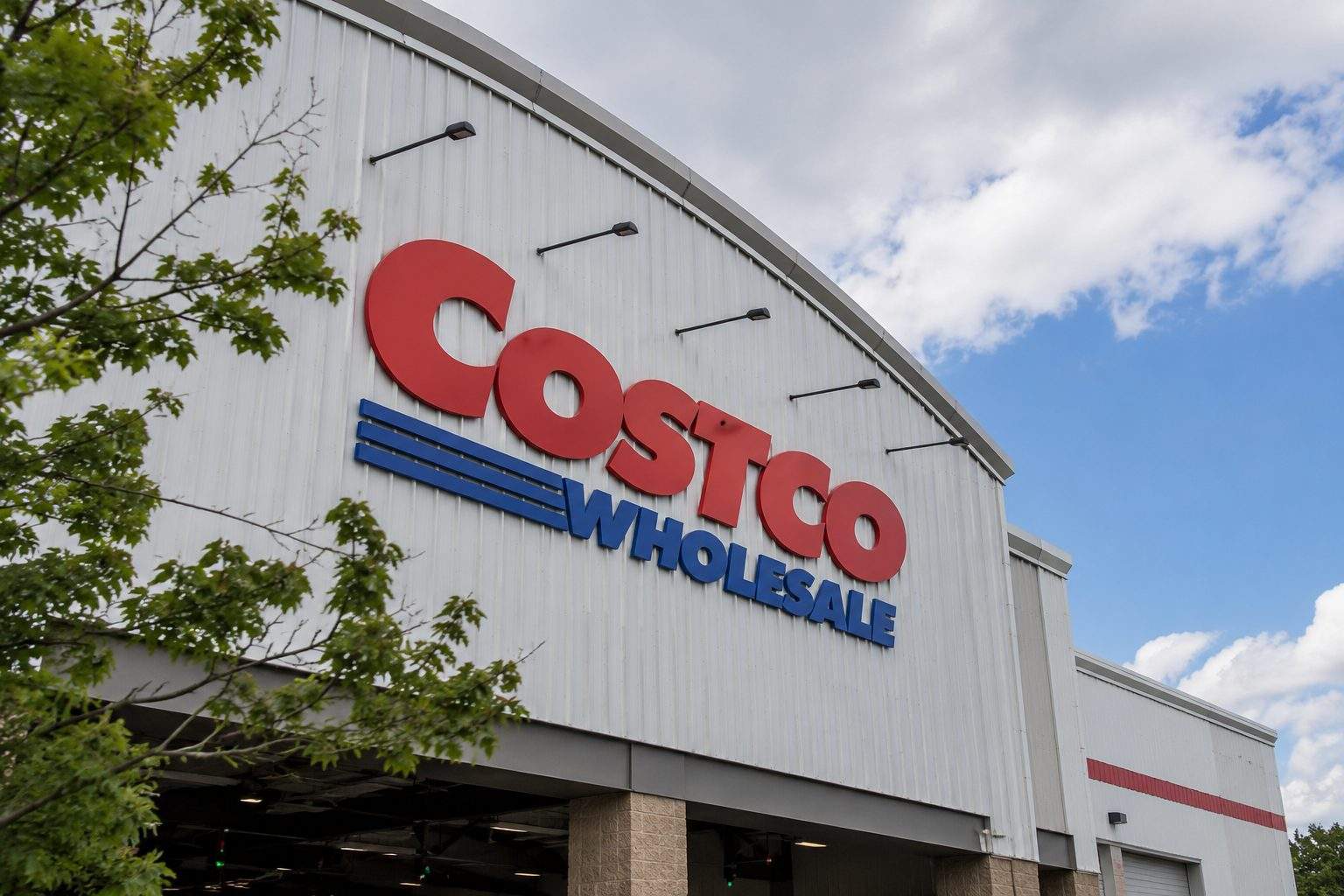
Costco Wholesale shares dropped at the open Thursday after the company posted slower June comparable-sales growth. Even so, the warehouse retailer logged its biggest monthly sales of the year.
Costco reported net sales up 10.6% to $29.24 billion for the five weeks to July 5. Comparable sales rose 8.8%. Excluding gas and forex, comparable sales rose 7.0%. Digitally enabled sales surged 20.9%.
Costco shares dropped about 4% to $912.76 in morning trading after opening at $930. The move drew attention because the stock’s high price-to-earnings ratio gives it less buffer for any signs of slowing growth.
Investors weren’t worried Costco was struggling. The issue was growth slowing down. Barron’s said same-store sales rose at the slowest yearly pace since February, dropping from 12.5% in May and 11.6% in April, despite June posting Costco’s biggest monthly sales so far this year.
Citi left its Neutral rating and $1,020 price target in place after the latest update, saying June same-store sales grew 7.0% year-on-year, not counting gas and currency effects. That’s down from an 8.0% gain in May. For the U.S., growth slowed to 7.6% from 8.7%. Average ticket rose 3.7%, according to Investing.com.
There were offsets. U.S. comparable sales at Costco climbed 10.6% including gas, with Canada up 3.7% and other international markets gaining 4.7%. The company declared a $1.47 per share quarterly dividend, payable Aug. 7 to holders as of July 24. Costco said it runs 933 warehouses worldwide.
Markets are mixed on Costco. The membership model and low prices help draw shoppers even when wallets are tight, so the stock’s seen as defensive. But Walmart and Amazon are upping their own value and delivery options. Reuters said last month that Costco’s U.S. same-day delivery averages under 45 minutes, showing it’s keeping up on speed.
Costco management is focusing on price. On the fiscal Q3 call, CFO Gary Millerchip said the retailer had “really invest[ed] in increasing value to the member,” pointing to things like eggs and meat. He said Kirkland Signature should give shoppers savings of “at least 15% to 20%” versus national brands with similar or better quality. The Motley Fool
Fuel is another factor. Millerchip said Costco has “widened our gaps in terms of price” on gas because members really care about it. Bryan Hayes, stock strategist at Zacks Investment Research, called this approach “classic Costco.” But Hayes said that could mean “modest near-term pressure” on gross margin, or the cut of sales left after product costs. Reuters
Analysts are mostly positive, but there’s some caution. William Blair’s Phillip Blee kept a Buy, TipRanks said, pointing to traffic gains and Costco’s defensive stance but warning on slower overseas markets and little space for mistakes on valuation. Telsey Advisory also stuck with a Buy and kept its $1,135 target.
JPMorgan trimmed its price target to $1,100 from $1,110 but kept its overweight rating, MarketBeat said. Sentiment stayed upbeat, with 22 Buy ratings, 11 Holds and one Sell. The cut was minor, but it highlights a divide—investors keep liking the business, but the stock keeps demanding strong monthly sales.
But there’s a risk the easier gains don’t last. If gas-fueled traffic drops off, tariffs push up costs, currency moves hit sales abroad, or if Costco keeps cutting prices to hold customers, profit margins could take a hit. Costco listed tariffs, global conflicts, inflation, currency rates, and consumer spending among risks that could make actual results miss expectations.
The June numbers offer ammo for bulls and bears. Sales growth is hanging on, at a rate most chains would accept. But the stock is getting the Costco treatment: priced for perfection and short on forgiveness.