
Washington, July 9, 2026, 15:01 (EDT)
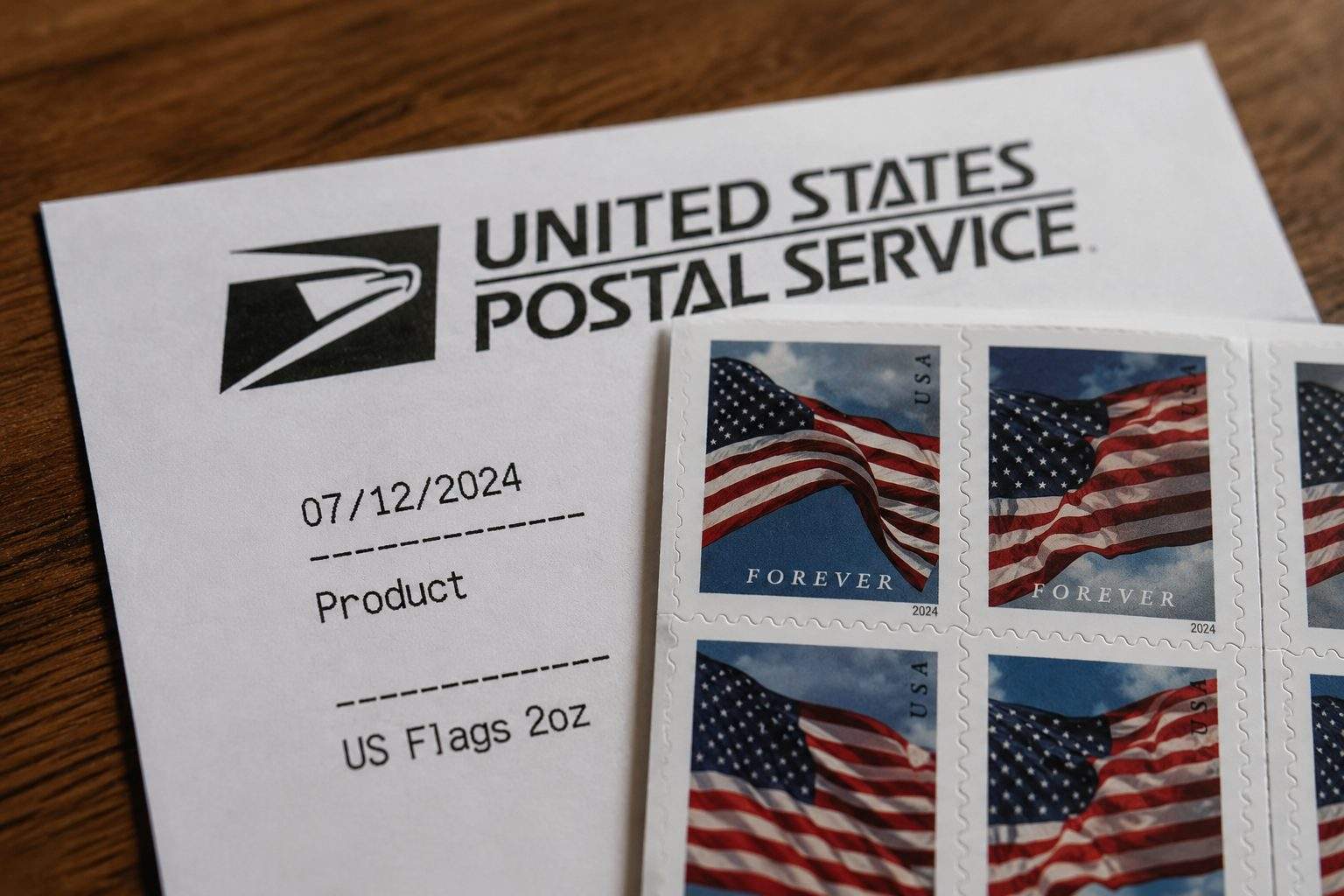
USPS will hike the cost of a first-class Forever stamp to 82 cents from 78 cents on Sunday. It’s the headline move in a broader slate of price changes set for July 12 as the Postal Service looks to pull more revenue from declining mail volumes. Final price files released Thursday confirm the July 12 effective date.
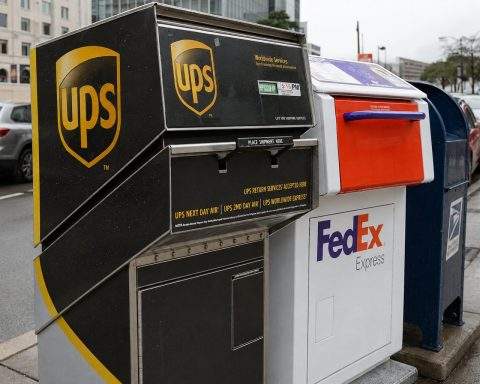
The takeaway for investors isn’t USPS stock—it doesn’t exist. The focus is what higher USPS mail and package prices could mean for companies with significant mail exposure, including Pitney Bowes Inc. NYSE:PBI, and parcel players United Parcel Service Inc. NYSE:UPS and FedEx Corp. NYSE:FDX. USPS plans to raise its monopoly mail rates and package rules during regular U.S. market hours. Nasdaq shows normal trading goes from 9:30 a.m. to 4:00 p.m. Eastern.
USPS said it’s raising mailing-service prices by an average of 4.8%. “Market-dominant” products, which covers categories like letters and postcards where USPS sets rates but still needs sign-off from regulators, are at the center of the price changes taking effect Sunday. About USPS
| Product | Current price | July 12 price | Change |
|---|---|---|---|
| First-class Forever stamp for 1-ounce letter | $0.78 | $0.82 | +5.1% |
| Metered letter, 1 ounce | $0.74 | $0.78 | +5.4% |
| Domestic postcard rate | $0.61 | $0.65 | +6.6% |
| International postcard rate | $1.70 | $1.75 | +2.9% |
| International 1-ounce letter rate | $1.70 | $1.75 | +2.9% |
| Single-piece letter, each extra ounce | $0.29 | $0.29 | No change |
USPS’s fiscal 2026 plan calls for total mail and package volume of 101.5 billion pieces, down 7.2 billion, or 6.6%, from 2025. Revenue is seen rising $2.4 billion to $83.8 billion. That math means USPS would need to get about 10% more revenue per piece for the plan to add up.
| USPS metric | FY2025 | FY2026 plan | Investor read-through |
|---|---|---|---|
| Total revenue | $81.4 billion | $83.8 billion | Revenue up, volumes down |
| Mail/package volume | 108.7 billion implied | 101.5 billion | Volumes still dropping |
| Implied revenue per piece | $0.749 | $0.826 | Jump of roughly 10% |
| Net loss | $9.0 billion | $8.1 billion | Loss remains large |
| Controllable loss | $2.7 billion | $1.8 billion | Improves, issues remain |
This is why the stamp hike is a bigger deal than just higher postcard costs. USPS still delivers to close to 167 million homes, businesses, and PO boxes. The Postal Regulatory Commission says mail volume keeps dropping, making it harder for the agency to pay its bills.
USPS’s latest quarter shows the pressure is building. Operating revenue for the second quarter came in at $20.2 billion, a 2.3% gain, but the service booked a GAAP net loss of $2.0 billion. First-Class Mail revenue edged down 0.5% despite higher prices, as volume fell 6.3%. Postmaster General David Steiner called it “a cash crisis,” and CFO Luke Grossmann said “management actions alone are not enough.” About USPS
Consumers can still use their older Forever stamps after Sunday, letting some buyers stock up ahead of the price hike. That gives USPS a short-term lift, but doesn’t change the result: a 78-cent stamp bought now will cover the same first-class letter even when the rate climbs to 82 cents.
The parcel unit doesn’t get as much attention but connects closely to listed logistics groups. USPS has put in for July 12 changes for its competitive products. The plan drops ounce-based pricing differences for some Commercial Ground Advantage rates and updates dimensional weight pricing to better match what’s standard in the sector. The service is tacking on new hazardous-materials fees for Priority Mail Express and Priority Mail as well.
But higher rates aren’t always good news for USPS. The PRC says USPS delivered 109 billion mail pieces in fiscal 2025, which is about half the 2006 peak. The agency hasn’t covered its costs since 2006. If billers, nonprofits, insurers, and direct marketers switch over to digital faster, USPS might get more revenue for each piece but still lose volume. Steiner laid out the main policy issue to the Associated Press: “If you want us to deliver everywhere, every day, we’ll do it. That’s not a problem. But who is going to pay for it?” AP News
Rate changes are in place. The Federal Register notice shows the PRC signed off on the adjustments May 27, with the rule kicking in July 12. Next question is if the higher prices in July slow down cash burn but don’t speed up volume declines—and who covers the gap: Congress, regulators, or USPS customers.


![US Stock Market Today 08/26/2026 [UPDATE: 00:14 EDT] [Intuit Slides 10% as QQQ Starts New Trade Date Lower]](https://ts2.tech/wp-content/uploads/2026/08/US-market-dashboard-2026-08-26-0006-480x384.jpg "US Stock Market Today 08/26/2026 [UPDATE: 00:14 EDT] [Intuit Slides 10% as QQQ Starts New Trade Date Lower]")