NEW YORK, July 25, 2026, 09:05 EDT — U.S. markets have closed for the weekend.
- Chegg got a new sub-$1 notice following its return to NYSE compliance in June.
- Shares ended Friday at $0.9619, rising about 17% over the past week.
- Initial estimates show an approximate $1.21 average forecast for next week regarding a July cure.
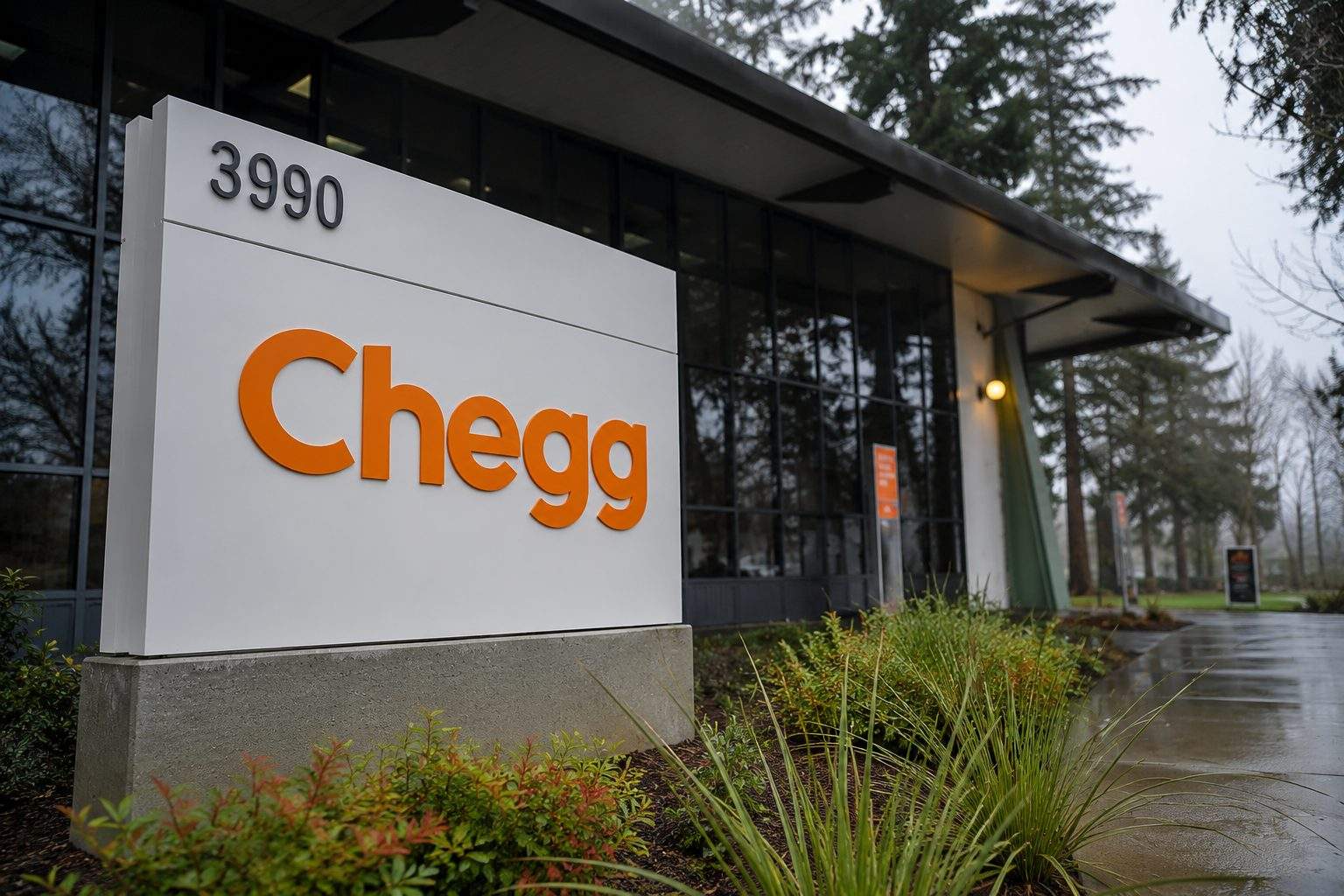
Chegg Inc NYSE:CHGG received a new notice of non-compliance with the minimum price rule, even after gaining nearly 17% over the past week. The stock ended Friday at $0.9619, having reached as high as $1.04 during the session.
The New York Stock Exchange pointed to an average closing price under $1 through July 23 as the reason. Chegg now needs to meet two separate standards at the end of a calendar month: its closing share price and its 30-trading-day average must each be at least $1.
The recovery remains insufficient. Publicly available closing figures show the average for July 23 is approximately $0.988. On July 31, six June closes, which average roughly $1.11, will be removed from the calculation.
To reach the target, the next five closing prices would have to average approximately $1.21, or around 26% higher than Friday’s closing price. This early estimate is based on reported prices rounded to the nearest cent.
| Listing measure | Latest reading | July 31 benchmark |
|---|---|---|
| Closing price | $0.9619 on July 24 | At least $1.00 |
| 30-day average through July 23 | Roughly $0.988 | At least $1.00 |
| Required July 27-31 average | Still pending | Roughly $1.21 |
| Friday-to-Friday move | Near +17% | Not part of NYSE test |
Initial estimates rely on reported closing values. Official market data is utilized by the NYSE.
The recovery was short-lived. The NYSE reinstated Chegg’s compliance on June 1. On June 17, Chegg announced its board would halt a reverse stock split. A fresh notice came 37 days after that.
The notice does not currently result in Chegg being removed from the exchange. Its stock can still be traded throughout a six-month window to regain compliance. If compliance is not restored, the process for suspension and delisting will begin.
The board holds existing authorization from shareholders to proceed. Investors gave the green light to a reverse split at the June 12 annual meeting. The board can choose a ratio from 1-for-4 up to 1-for-15.
A split like this would automatically push up the quoted price. Chegg’s business performance would remain unchanged. According to Chegg’s proxy, liquidity may decline and transaction costs could go up. Any increase in price might also be short-lived.
The outlook continues to be mixed. In the first quarter, revenue dropped 48% to $63.3 million. Skilling revenue increased 9% to $17.6 million, and adjusted EBITDA was $15.5 million.
In May, CEO and Executive Chairman Dan Rosensweig described Q1 as “a strong quarter.” He stated “the foundation for future growth is now in place.” SEC
Management forecasted second-quarter revenue between $49 million and $50 million, indicating a sequential decrease of approximately 21% to 23%. Adjusted EBITDA is projected at $5 million to $6 million, representing a drop of 61% to 68%.
Investors are focused on Friday, July 31. Simply closing above $1 is not enough; the trailing average also needs to exceed this threshold.
Chegg’s second-quarter results are set for release on August 6 at 8:30 a.m. ET. The report will assess if growth in skilling can counteract the overall drop in revenue.
Risks: Failing the July test will not trigger instant delisting. Chegg still has six months to address compliance. However, disappointing performance or extended periods below $1 may prompt the board to consider a reverse split, posing potential execution and liquidity risks.