
NEW YORK, July 24, 2026, 18:13 EDT
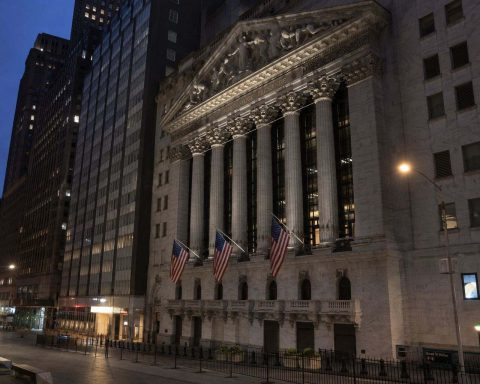
- This week, the Nasdaq declined by 2.0%, and the S&P 500 was down 0.6%.
- Alphabet NASDAQ:GOOGL and Tesla NASDAQ:TSLA both reported quarterly capital expenditures that exceeded their operating cash flow.
- The coming week is set to be shaped by a Federal Reserve decision and earnings from four megacap companies.
U.S. technology shares posted a second consecutive weekly decline on Friday, as investors reacted to AI-related expenditures that exceeded operating cash flow. The regular session concluded, though after-hours trading continued.
The earnings test is altered. Cash coverage is now required for revenue growth, particularly as oil and bond yields remain high.
Alphabet and Tesla both surpassed a significant milestone as their capital expenditures in the second quarter were higher than operating cash, resulting in negative free cash flow.
| Q2 cash test | Alphabet | Tesla |
|---|---|---|
| Operating cash flow, $ bln | 39.1 | 4.7 |
| Capital expenditure, $ bln | 44.9 | 5.8 |
| Capex as a share of operating cash | 115% | 123% |
| Free cash flow, $ bln | -5.9 | -1.1 |
| Thursday share move | Down nearly 7% | Fell over 14% |
Company filings are the basis for ratio calculations. Share price changes reflect Thursday’s closing values.
The capex-to-operating-cash ratio serves as a straightforward measure of financial pressure. When the ratio exceeds 100%, companies must tap into reserves or seek external funding to support expansion.
Alphabet accessed outside capital, securing $49.6 billion via common stock and mandatory convertible preferred shares. It generated an additional $20.3 billion from senior notes.
The combined proceeds amounted to roughly 1.6 times the quarterly capex, with both contributing to general corporate purposes. The equity proceeds specifically referenced AI infrastructure.
The funding move is not an indication of immediate trouble. Alphabet reported $242.5 billion in cash, equivalents, and short-term marketable securities. The issue at hand is capital returns.
Alphabet lifted its capital expenditure outlook for 2026 by $15 billion, setting the new range at $195 billion to $205 billion. Google Cloud’s revenue climbed 82%, but the increase did not reassure investors.
Tesla reported robust revenue growth, up 26%, with deliveries hitting a new record for the quarter. Capital expenditure surged by 142%, as operating margin declined to 1.4%.
Intel NASDAQ:INTC delivered a more focused message on Friday. Shares dropped 7.9%, even as the company provided forecasts that exceeded Wall Street’s expectations. CFO Dave Zinsner stated that Intel was “meaningfully increasing” spending on equipment, clean rooms and substrates. Intel Corporation
Peter Andersen, CEO of Andersen Capital Management, cited a “fear of massive overbuilding.” This worry now extends to software, vehicles, and semiconductors. Reuters
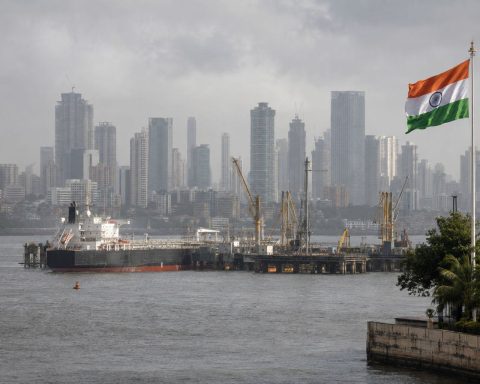
Changing macro conditions increased the price of waiting. Brent finished at $96.78, having topped $100 at the prior close on Thursday. The yield on the 10-year Treasury hit 4.679%, and the 30-year rose to 5.163%. Fresh tariffs on imports from 60 trading partners introduced a further source of inflation.
Pressure is further increased by consensus estimates rather than company forecasts. A Reuters analysis indicates that by 2027, four hyperscalers could have capital expenditures that exceed their free cash flow.
Next week, Microsoft NASDAQ:MSFT, Meta Platforms NASDAQ:META, Amazon.com NASDAQ:AMZN, and Apple NASDAQ:AAPL are scheduled to release earnings. Microsoft will announce results on Wednesday, with Apple following on Thursday. Investors are likely to focus on both cloud demand and cash generation.
The Federal Reserve is scheduled to meet on July 28 and 29. Markets are currently pricing in about a 33% probability of a rate hike. Preliminary second-quarter GDP figures and June inflation numbers will be released Thursday.
Risks: An extended drop in oil or a dovish stance from the Fed may decrease yields. Robust cloud profit margins could rapidly increase appetite for capital spending. Additional supply disruptions, new tariffs, or disappointing outlooks would increase downside pressure.
To come out ahead next week, companies will likely have to deliver on both demand and self-funding. Meeting expectations for revenue growth is no longer sufficient.
Related articles: NASDAQ:TSLA