
STARBASE, Texas, July 24, 2026, 18:08 CDT
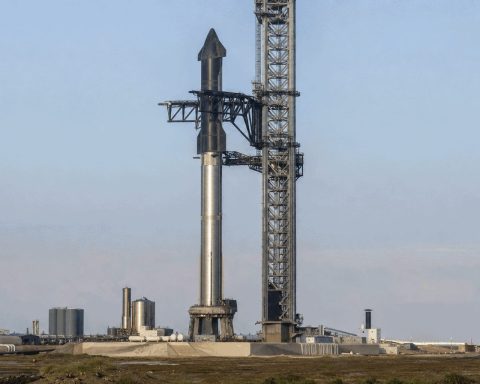
- Starship launched at 17:51 CDT, following a weather delay and an engine abort.
- After short demonstration flights, its 20 V3 Starlinks are set to reenter.
- SpaceX ended Friday at $115.07, registering a 7.2% decline over the week.
SpaceX NASDAQ:SPCX overcame an engine issue on Friday, launching Flight 13 from Starbase. However, the mission will not grow Starlink’s operational network. The 20 satellites launched are following Starship’s suborbital trajectory.
The difference is significant for investors. Flight 13 is a demonstration mission for deployment, laser links, propulsion, and heat-shield systems. The mission does not add any new relay capability in orbit.
The mission was still listed as preliminary as of 18:08 CDT. The expected 65-minute flight continued. No confirmation of either splashdown had been received.
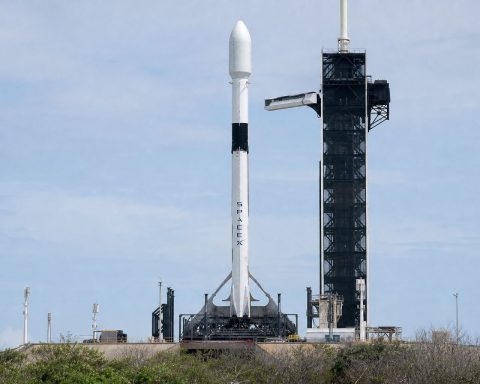
Following the July 16 abort, SpaceX swapped out six of the booster’s 33 engines. “Not tracking any issues for launch today,” webcast presenter Dan Huot stated prior to liftoff. The San Antonio Express-News noted that all 33 engines subsequently fired. AP News
The commercial divide grows more pronounced. On Tuesday, Falcon 9 deployed 24 Starlink satellites to low Earth orbit. Its booster touched down following its 23rd mission.
| Metric | Starship Flight 13 | Falcon 9 Starlink 17-39 |
|---|---|---|
| Launch date | July 24 | July 21 |
| Payload | 20 V3 demonstration satellites | 24 V2 Mini satellites |
| End state | Expected reentry after suborbital mission | Inserted into low Earth orbit |
| Lasting orbital additions | No additions scheduled | 24 |
| Booster | Targeting splashdown in Gulf | Landed at conclusion of mission 23 |
SpaceX and separate launch coverage provided mission data. At press time, outcomes for Flight 13 were still scheduled as planned.
The comparison highlights where immediate Starlink growth potential remains. Falcon 9 continues to deliver consistent orbital payloads. Starship is designed to transport over 100 metric tonnes to orbit, though Friday’s mission did not achieve orbit.
Investors showed limited patience ahead of the launch. SpaceX fell 2.7% to close at $115.07 prior to liftoff. The main Nasdaq trading session had wrapped up, but after-hours trading was set to continue until 20:00 ET.
| Security | Friday close | Friday | Week* |
|---|---|---|---|
| SpaceX NASDAQ:SPCX | $115.07 | fell 2.7% | dropped 7.2% |
| Rocket Lab USA NASDAQ:RKLB | $63.91 | dropped 8.7% | lost 5.5% |
| AST SpaceMobile NASDAQ:ASTS | $56.20 | decreased 5.0% | slipped 2.8% |
| Nasdaq Composite | 24,975.82 | edged down 0.6% | off 2.1% |
Weekly movements are determined from the closing figures on July 17 and July 24.
SpaceX lagged behind the Nasdaq by 5.1 percentage points over the week. The stock ended the week seven cents above the $115 price target set by Nicolas Cote-Colisson. The HSBC Holdings plc LON:HSBA analyst maintained a Hold rating on the shares.
The first complete session verdict on the flight is set for Monday, July 27. The Federal Reserve’s meeting is scheduled for July 28-29 next week. Fluctuations in rates may overshadow a key engineering achievement.
SpaceX’s upcoming scheduled event is on August 4, when the company will release its second-quarter results after market close and host a webcast.
Flight 13 remains significant beyond its immediate impact on shares. NASA is preparing for a 2027 Artemis III docking demonstration involving Orion and a Starship pathfinder, an effort that underpins the goal of sending astronauts to the lunar surface in 2028.
Risks persist. A single flight does not demonstrate orbital transport, high-frequency reuse or propellant transfer in orbit. A GAO assessment listed Raptor development as a primary concern, noting that essential targets were delayed by over a year from the initial timelines.
Friday’s liftoff eliminates an immediate risk factor, but leaves the main investment issue unresolved. Investors require evidence that Starship can deliver the same reliable orbital performance as Falcon 9.
Related articles: NASDAQ:SPCX