
AUSTIN, Texas, August 24, 2026, 11:26 CDT
- Tesla is pulling back 2.98 million vehicles in China, amounting to 69% of the record-setting 4.3 million-vehicle recall.
- The impacted fleet is 11.2 times larger than Tesla’s retail sales in China from January to July 2026.
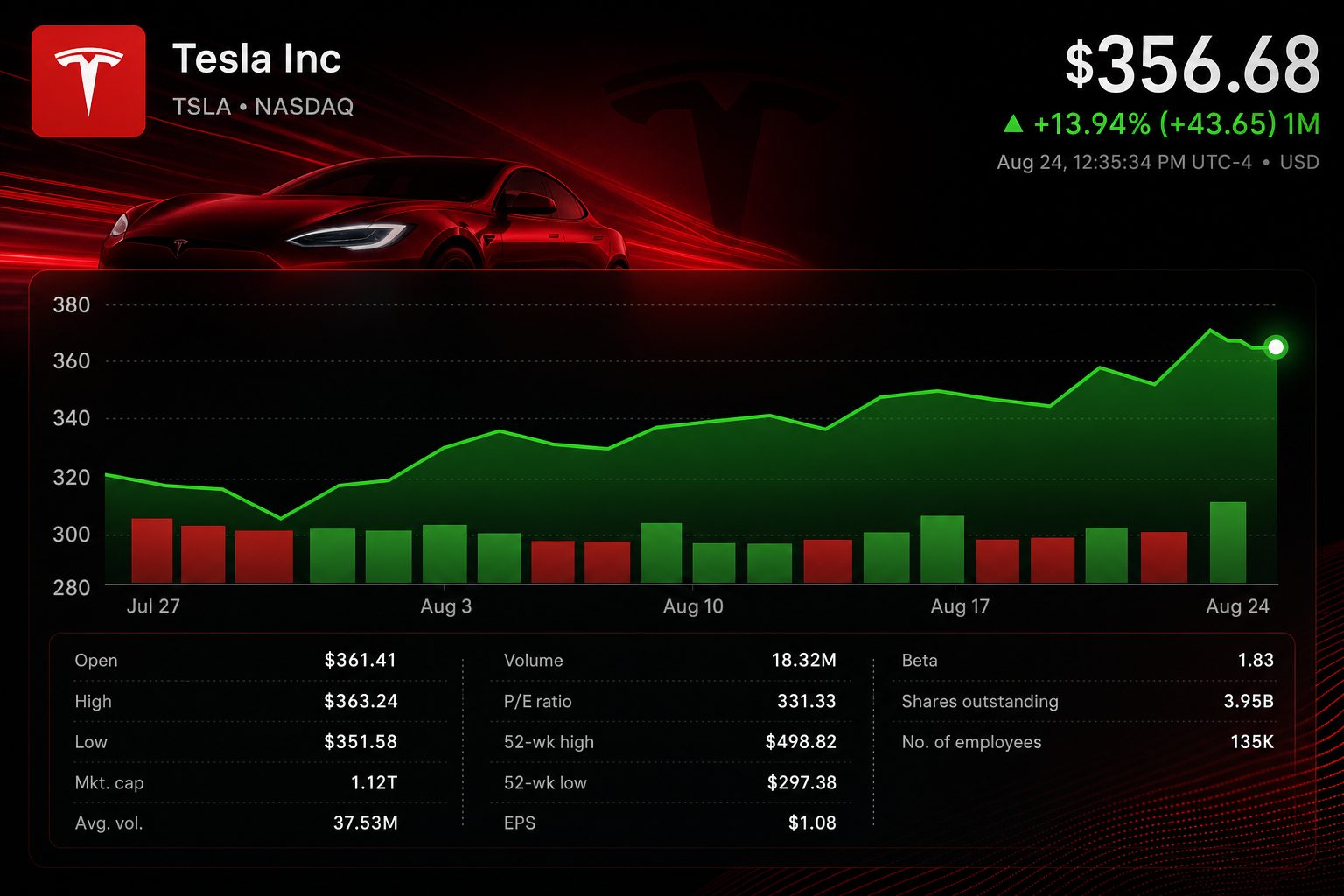
- Tesla stock declined 1.63% to $356.94 at 12:21 EDT, wiping out about $23 billion in market value.
- Warning labels and an over-the-air update are expected to minimize direct repair expenses, focusing attention instead on demand and regulatory issues.
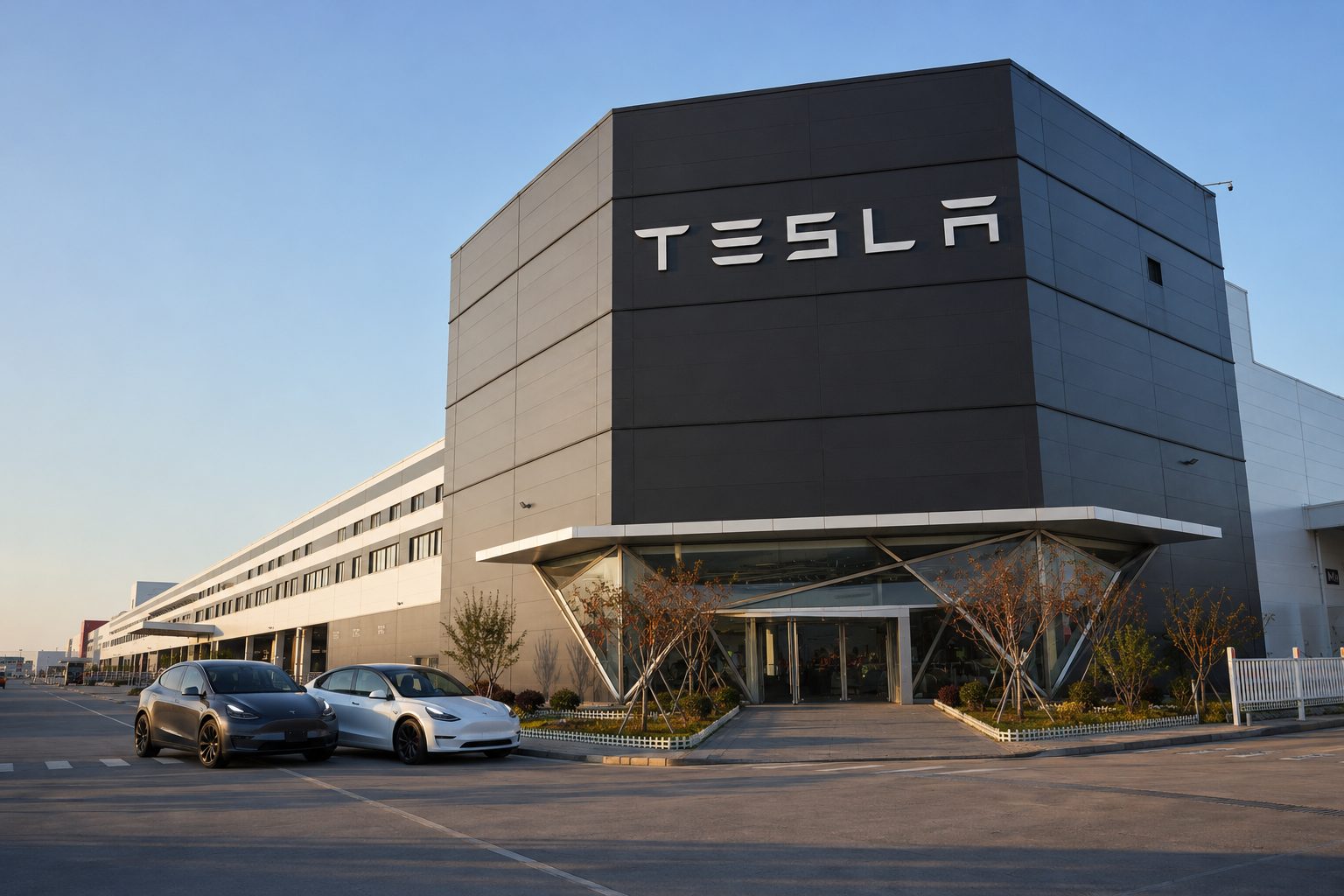
Tesla, Inc. NASDAQ:TSLA stock declined on Monday following the largest recall ever mandated for the company in China. The recall involves 2.98 million vehicles over concerns that emergency door releases could be difficult to locate following major accidents.
The notable figure is not the drop in shares that day. The impacted fleet represents 11.2 times Tesla’s 266,204 Chinese retail deliveries for the first seven months of 2026. This magnitude makes what would usually be a simple software fix a widespread challenge for consumer confidence.
Tesla shares were at $356.94, a decline of $5.92 or 1.63%, as of 12:21 EDT. With 3.95 billion shares in circulation, this decrease sliced roughly $23.4 billion from its market capitalization. Tariff concerns affecting automakers contributed to the downward trend.
Tesla leads in number of recalls
| Manufacturer | Vehicles recalled | Share of 4.3m campaign | Primary remedy |
|---|---|---|---|
| Tesla NASDAQ:TSLA | 2.98m | 69.3% | Labels and OTA update |
| Xiaomi (HKEX:1810) | 390,000 | 9.1% | Labels/software |
| Leapmotor (HKEX:9863) | 371,000 | 8.6% | Labels/software |
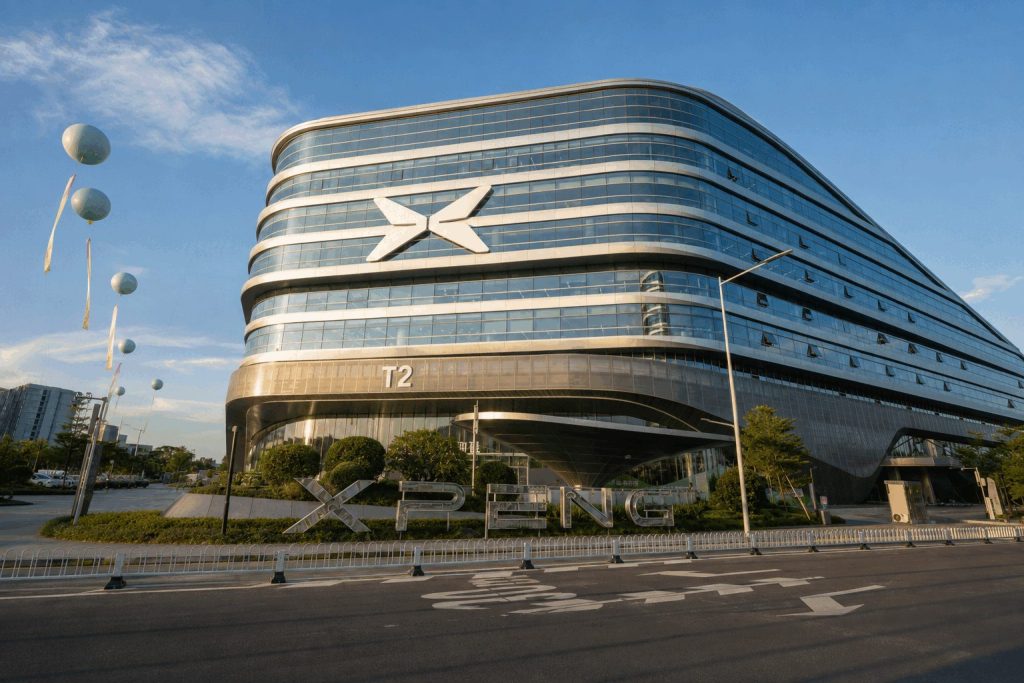
| XPeng (HKEX:9868) | 264,000 | 6.1% | Labels/software |
| Other manufacturers | About 295,000 | 6.9% | Various |
Tesla’s fix begins on September 25, adding warning labels and rolling out remote updates so that vehicles lower their windows following a collision. The measure covers Model 3, Model Y, Model S and Model X vehicles, both imported and produced in China.
Direct repair costs are expected to stay low. According to AutoForecast Solutions vice president Sam Fiorani, “Modern over-the-air updates reduce the costs and downtime associated with major recalls.” Applying physical labels is also expected to be less expensive than hardware replacements. Reuters interview
China demand presents the tougher challenge
| China operating metric | Latest reading | Year-on-year change | Investor signal |
|---|---|---|---|
| Jan–Jul retail deliveries | 266,204 | -12.44% | Local buying remains below previous year |
| July retail deliveries | 27,249 | -32.91% | Steep fall for the month |
| July NEV market share | 2.87% | Lowest since Oct. 2025 | Rivalry rising in the segment |
| Jan–Jul Shanghai exports | 295,324 | +130.12% | Export output from plant surges |
Tesla delivered 27,249 vehicles to the domestic market in July, marking a 32.9% decrease compared with the same month last year. The Shanghai plant shipped 66,330 vehicles abroad during the month, setting a new export record. Shipments overseas accounted for 70.9% of the factory’s total wholesale output in July.
The separation is significant. The recall spans multiple years of domestic sales, and Tesla’s latest production from China is mostly sent overseas. A decline in local trust could heighten the Shanghai factory’s reliance on exports and expose it more to international trade policies.
| TSLA market metric | August 24 reading | Investor context |
|---|---|---|
| Share price | $356.94 at 12:21 EDT | Down 1.63% on the day |
| Market capitalization | $1.41tn | Intraday decline of about $23.4bn |
| Trailing P/E | 371.6x | Execution missteps have outsized impact |
| Forward P/E | 190.6x | Valuation still reflects significant growth expectations |
| 52-week range | $297.38–$498.83 | Shares currently 28.4% under the high |
Valuation intensifies pressure. Tesla’s trailing earnings multiple of 371.6 times reflects expectations for gains in autonomy, robotics, and energy surpassing the margins from existing vehicles. While a recall with minimal costs is unlikely to hit earnings, softer Chinese demand could put that premium at risk.
Analysts still hold strong disagreements
| Analyst / firm | Rating | Price target | Published |
|---|---|---|---|
| Gordon Johnson / GLJ Research | Sell | $200 | Aug. 18 |
| Dan Levy / Barclays | Hold | $370 | Aug. 17 |
| Colin Langan / Wells Fargo | Sell | $130 | Aug. 12 |
| Andrew Percoco / Morgan Stanley | Hold | $400 | Aug. 11 |
| Elizabelle Pang / DBS | Hold | $330 | Aug. 11 |
The overall consensus stays at Buy, with 47 analysts setting an average target of $395.34. However, price targets span from $125 up to $600. The $475 gap indicates that investors are more divided on Tesla’s long-term business prospects than on the impact of a single recall.
China’s latest regulations extend past September, with a ban on hidden door handles taking effect in 2027. Older models will have more time to conform. Tesla faces the challenge of altering a signature design feature while avoiding brand dilution or increased production complexity.
Risks: The exact direct cost of the recall has not been revealed. Final expenses may be impacted by software adoption, labeling requirements, prospective changes to hardware, and any actions taken by U.S. regulators.
Related articles: NASDAQ:TSLA