
MONTRÉAL, September 3, 2026, 03:05 EDT —
- Air Canada TSE:AC ended the session at C$28.05, trading 3.3% under its buyback threshold.
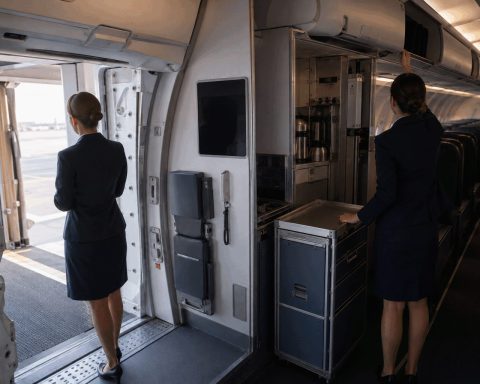
- Jazz flight attendants cater to approximately 22,000 passengers on 400 flights each day.
- The C$800 million offer amounts to between 1.6 and 4.0 times the free-cash-flow guidance that Air Canada has provided for 2026.
Shares of Air Canada finished at C$28.05 on Wednesday, marking a 3.3% drop below the minimum price set in its tender offer. The spread remained as Jazz Aviation cabin crew voted on a possible strike mandate. The stock eased 0.04% in Toronto Google Finance.
The outcome is significant, as Jazz supports Air Canada’s broader network. Its crews transport approximately 22,000 passengers across over 400 flights each day. Any disruption, even on a small scale, could sever connections and increase rebooking expenses.
Air Canada does not own Jazz. Instead, Jazz operates as the main carrier for Air Canada Express, flying to 65 North American destinations with that brand Jazz Aviation.
Air Canada six-session close
Toronto close, Canadian dollars. Latest reading: C$28.05 at .
Source: Yahoo Finance historical data; latest price cross-checked with Google Finance. Values are delayed closes, not live prices.The stock rose 1.1% over six sessions ending Wednesday. Shares climbed 2.8% on Tuesday and retained most of those gains. Trading volume Wednesday reached 2.59 million shares, close to the 2.66 million average.
About 1,000 Jazz employees are represented by the Canadian Flight Attendant Union. The union initiated the vote following nine months of negotiations and mediation. The vote is scheduled to end at noon Friday CBC via Yahoo News.
The regional feed at risk
Union president Marsha Walters stated, “Safety does not begin at takeoff, nor does it end at landing.” She connected safety concerns to adequate rest, workplace conditions and compensation. Jazz reported that it had requested a conciliation officer and was aiming to reach a deal without interruptions.
A mandate alone would not result in an instant walkout, and no strike date is currently scheduled. However, with 400 flights each day, the potential for travel disruptions is significant if negotiations break down CFAU.
Air Canada reported second-quarter revenue up 11% at C$6.27 billion. Adjusted EBITDA totaled C$719 million, while the carrier recorded an operating loss of C$215 million Air Canada results.
Capital return versus cash generation
Canadian dollars, millions. The tender is funded from Aeroplan investment proceeds.
Sources: Air Canada issuer bid and second-quarter results. Guidance remains forward-looking.The quarter saw C$388 million in labour-related and other charges. Free cash flow totaled C$174 million. Air Canada projects between C$200 million and C$500 million for 2026.
This C$800 million offer represents 1.6 to 4.0 times the projected amount. Air Canada intends to finance the transaction using returns from its Aeroplan investment. The proposal may retire between 8.7% and 9.8% of the company’s shares in circulation offer terms.
The tender range of C$29 to C$33 represents a premium between 3.4% and 17.6%. Investors are not required to participate, and if there is significant oversubscription, tenders could be subject to proration. The offer is set to close on September 24, unless it is amended or withdrawn.
Toronto trading will restart at 09:30 EDT on Thursday. The next scheduled labour catalyst is the result of Friday’s vote. Afterward, investors are expected to monitor conciliation for updates on any potential legal strike timeline.
Chief Executive Michael Rousseau described cash generation and balance-sheet resilience as “key anchors.” Regional stability now puts that assertion to the test. The stock trades below the tender floor, suggesting some uncertainty remains, but not indicating a closure.
Risks: The discount could disappear swiftly if a settlement is reached. Extended disagreement might increase rebooking and labour expenses. Fluctuating fuel prices or softer demand could outweigh either scenario.