
CHICAGO, September 2, 2026, 07:38 EDT
- United finished down 3.1% on Tuesday, but gained 0.4% in premarket trading on Wednesday.
- Newark will see fourteen additional or reinstated routes planned through June 2027.
- United reported a 12.1% rise in second-quarter unit revenue, outpacing ex-fuel unit cost growth.
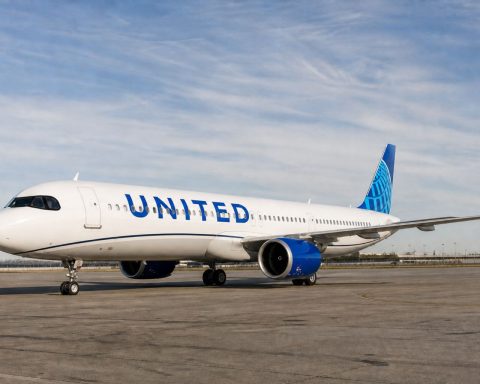
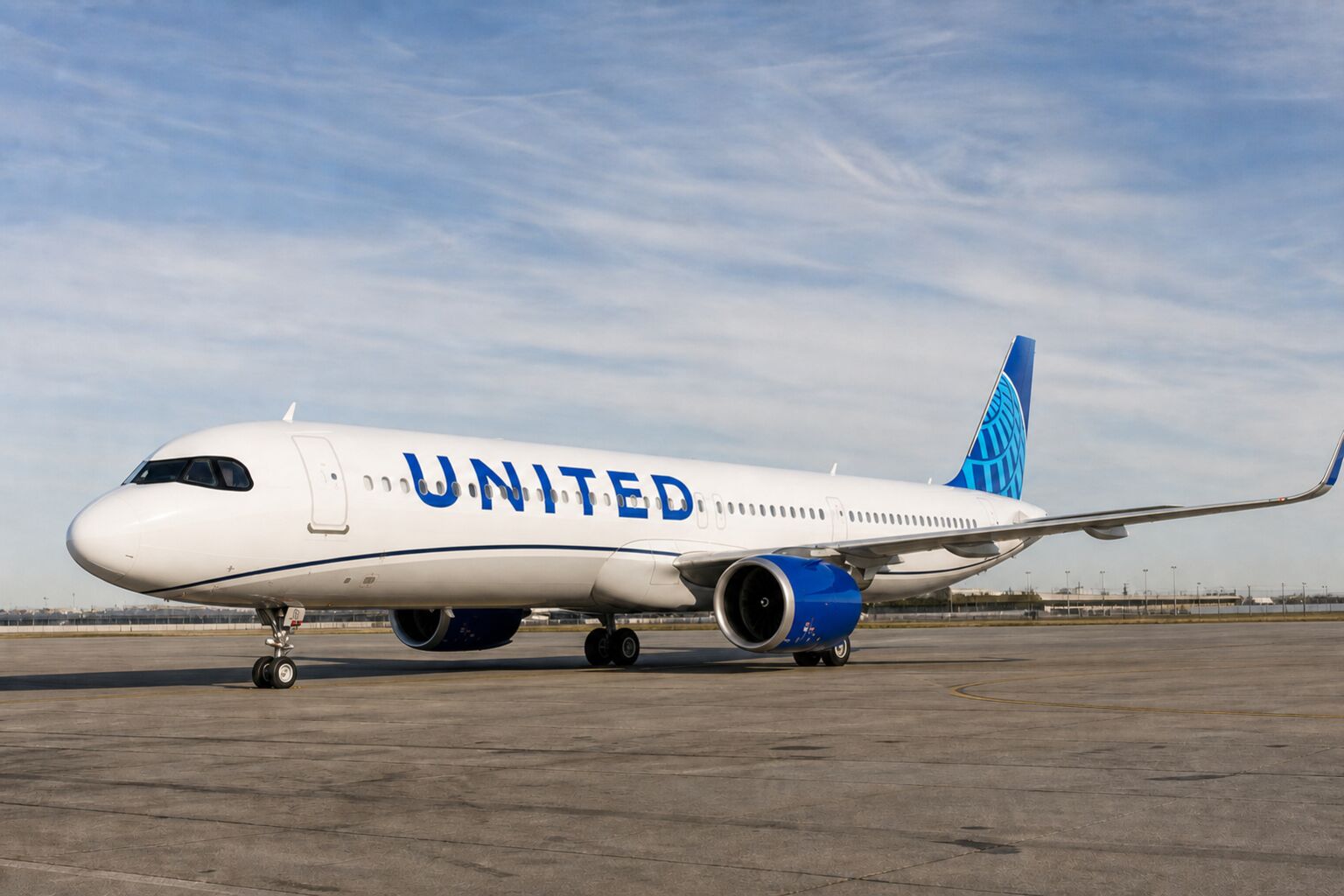
- The A321XLR offers twice as many premium seats compared to the previous 757-200 configuration.
Shares of United Airlines Holdings Inc. NASDAQ:UAL fell 3.1% on Tuesday, as the company’s most extensive international expansion puts it to a straightforward challenge: will additional capacity boost unit revenue at a rate that outpaces rising costs?
The stock finished the session at $104.63 before rising to $105.00 during premarket trading. The initial recovery recouped just a tenth of Tuesday’s drop Google Finance.
United shares: close-to-premarket path
Price in U.S. dollars. .
Source: Google Finance. Premarket prices may change before the open.
Newark serves as the focal point for the expansion. Timetables list 14 additional or reinstated routes scheduled through June 2027, with seven set to utilize long-haul aircraft.
Average daily departures and arrivals for mid-January are set at 797 movements, according to Cirium schedule analysis cited by Simple Flying. This figure marks a 14% increase from the equivalent week in 2026.
Newark route starts: 14 through June 2027
New and returning routes grouped by first scheduled month.
Source: Simple Flying analysis of Cirium Diio schedules, September 1, 2026. Schedules can change.
United’s route network is extensive, but gauge is the key factor. The airline will deploy the A321XLR narrowbody on flights from Newark to Luxembourg, Ibiza, Valencia and Marseille.
Using smaller planes allows airlines to try out less-served cities with reduced risk. United reports that out of its ten recently revealed destinations, eight are not currently served by any other U.S. airline company release.
A321XLR doubles premium seats
Premium seats per aircraft in United’s disclosed layouts.
Source: United Airlines, August 25, 2026.
The jet features 32 premium seats, double the number found on the 757-200 configuration it is replacing. The change boosts revenue per departure while avoiding the higher capacity of a widebody.
The main challenge lies in delivering the aircraft. Network executive Patrick Quayle acknowledged “a few teething issues” but told Reuters that United anticipates having a sufficient number of jets to meet its planned schedule.
The financial buffer increased in the previous quarter. Revenue climbed 16.0%, and total revenue per available seat mile advanced 12.1%.
Second-quarter operating bridge
Year-over-year changes unless stated otherwise.
Source: United Airlines Q2 2026 results. CASM-ex excludes fuel and selected items.
Ex-fuel unit costs rose by 6.1%. This margin allows United to expand capacity, though continued persistence is needed as new routes develop.
Europe serves as a helpful reference point. In the second quarter, passenger revenue in the region climbed 10.2% even as capacity slipped by 0.2%, and unit revenue advanced 10.4% United quarterly results.
Fuel costs continue to reduce the room for error. United reported paying $4.19 per gallon last quarter, with fuel expenses rising 84.1% to reach $5.11 billion.
Risks: Delays in aircraft may lead to schedule reductions or require more expensive replacements. Softer fares, increased congestion, and rising fuel costs could also undermine the unit-revenue edge.
Each new route brings further evidence. Investors require consistent pricing and a strong premium mix, rather than simply an expanded route network for United.
Related articles: NASDAQ:UAL