
NEW YORK, September 2, 2026, 08:00 EDT — S&P futures advanced after oil prices slipped below $90, with investors awaiting the ADP employment data due later in the session.
- S&P 500 futures rose 0.05% to 7,646.25 from the previous settlement.
- WTI crude dropped to $89.08, a decrease of 3.5% from the previous night’s peak.
- Nasdaq-100 futures climbed 0.44% over the past hour, though they stayed 0.16% under settlement.
- GitLab NASDAQ:GTLB rose 20.9%, while MongoDB NASDAQ:MDB fell 12.5% following their earnings reports.
U.S. stock-index futures bounced back by 08:00 EDT on Wednesday, helped by WTI crude dropping under $90. The move lowered some inflation pressure ahead of upcoming private payroll figures.
September S&P 500 e-minis were last at 7,646.25, lifting 0.05% past the close. Dow futures advanced 0.24%, and Russell 2000 futures rose 0.15%. Nasdaq-100 futures remained down 0.16%.
The final hour showed greater strength. Each of the four contracts gained between 0.32% and 0.44%. While this broad advance signaled a partial rebound, it did not indicate a definitive shift to risk-on sentiment.
Futures recovered across the 07:00–08:00 EDT hour
Percentage change from 04:00 EDT and during the immediately preceding 60 minutes
As of . Source: Yahoo Finance delayed CME feed; TS2 calculations. Contract levels: ES 7,646.25; NQ 29,080.25; YM 52,955; RTY 2,929.20.
After Tuesday’s decline, a rebound faces modest hurdles. The S&P 500 dropped 0.71%, the Nasdaq slipped 1.03%, and the Dow retreated 0.79% AP.
Moves in oil and bonds were largely behind the earlier pressure. The yield on the 10-year Treasury hovered close to 4.80% in premarket trading. Previously, Reuters attributed the lift in yields and crude prices to revived tensions between the U.S. and Iran Reuters.
Crude erased more than 3% from overnight highs
The retreat removed part of the morning’s inflation impulse
WTI October
−$3.21 · −3.48%
Brent
−$3.37 · −3.47%
Levels at 08:00 EDT; session highs through that time. Source: Yahoo Finance delayed futures feed; TS2 calculations.
WTI fell 1.33% in the past hour, while Brent slid 1.46%. As of 08:00 EDT, both had declined about 3.5% from their highs reached overnight.
Rates continue to pose the stronger obstacle. Ryan Isherwood from Significance Capital described forecasts as a “ping-pong match.” He told Reuters that the chances of a rate hike before the election remained slim.
The next key update comes soon as ADP will release its August jobs report at 08:15 EDT. According to a New York Fed schedule, a labor-tightness index is set to be published at 09:00, followed by factory orders at 10:00 New York Fed.
Premarket breadth still leaned negative
Qualified movers in the screen nearest 08:00 EDT
Source: StockAnalysis gainers and losers; percentages calculated from 112 qualifying securities.
Premarket breadth continued to lean toward decliners, with 51 stocks advancing and 61 falling on the screen. This ratio points to a rebound propelled by macro drivers rather than broad-based buying.
Underlying the unchanged index, earnings drove bigger shifts. Software stocks and hardware shares headed in different directions.
Post-earnings moves dwarfed the index change
Premarket price change; displayed volume from the screen nearest 08:00 EDT
Source: StockAnalysis. Bars show absolute move magnitude relative to GitLab.
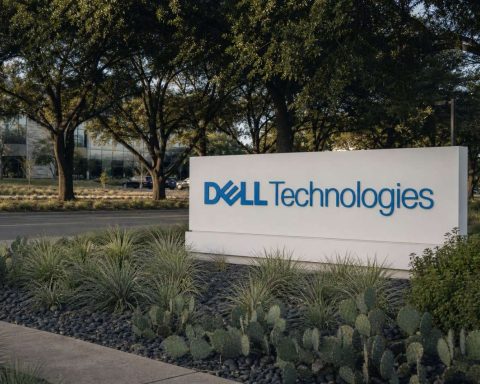
GitLab Inc. NASDAQ:GTLB climbed 20.9% following its earnings release and an improved outlook. Dell Technologies Inc. NYSE:DELL advanced 7.8% after it lifted its full-year forecast premarket movers.
Shares of MongoDB Inc. NASDAQ:MDB dropped 12.5% following its quarterly results. Credo Technology Group Holding Ltd. NASDAQ:CRDO slipped 10.2%. Dell was the most actively traded among the four stocks by displayed volume.
Risks: Futures may shift direction quickly in response to employment data. A renewed jump in oil prices or a selloff in Treasuries could increase pressure on long-duration technology stocks.
The crucial divide for investors is evident. A drop in crude prices boosted index breadth in the final hour. Nasdaq’s ongoing discount indicates that rate sensitivity persists.
Related articles: NASDAQ:MDB