
NEW YORK, June 4, 2026, 16:02 EDT
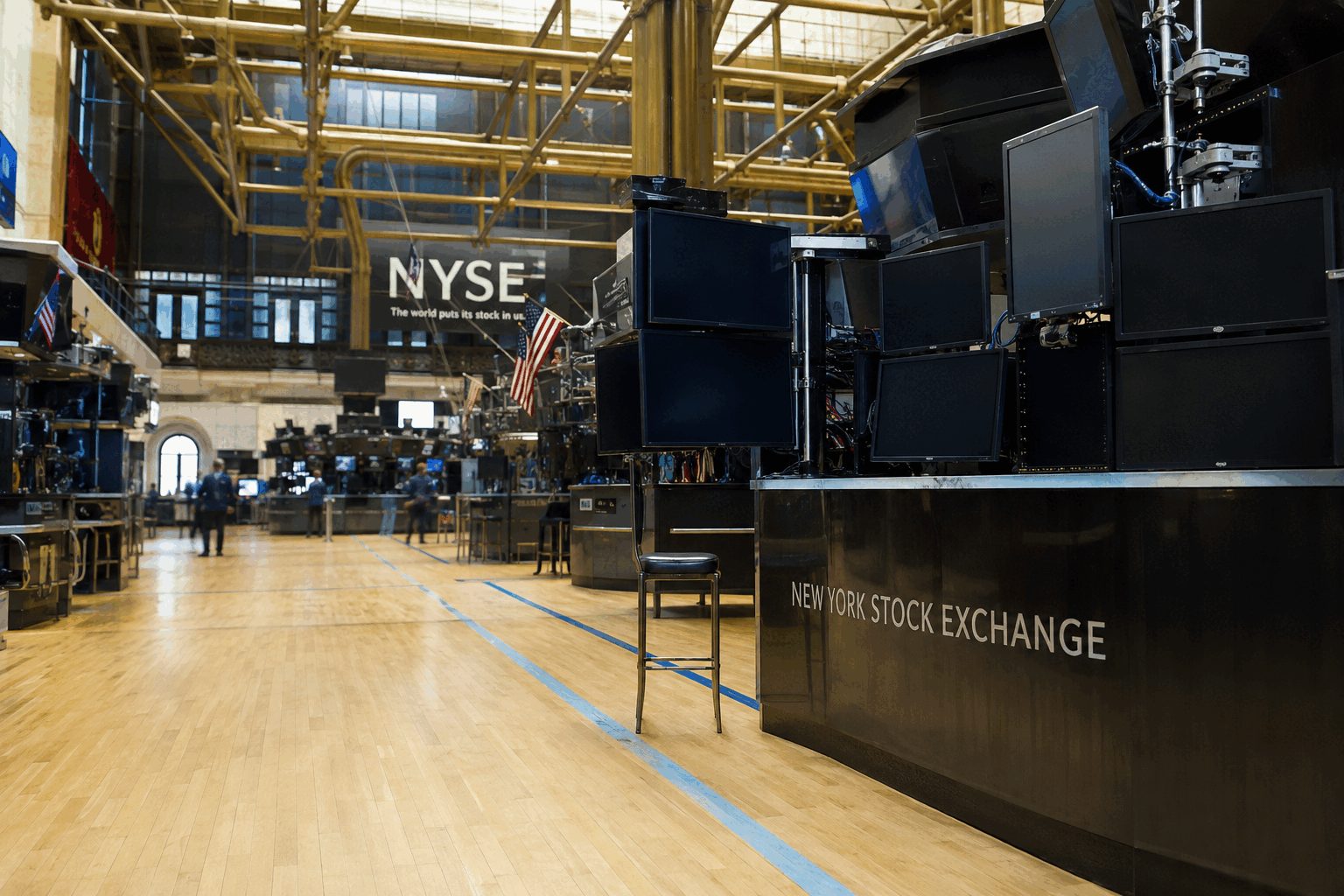
Wall Street rose on Thursday, and the Dow Jones Industrial Average touched a record high, as easing oil prices and hopes for progress toward ending the Iran war pulled buyers into healthcare and financial shares. The Dow rose 809.88 points, or 1.60%, to 51,496.83, the S&P 500 gained 39.74 points, or 0.53%, to 7,593.42, and the Nasdaq Composite added 60.69 points, or 0.23%, to 26,915.12; Oliver Pursche, senior vice president at Wealthspire Advisors, called the chip move “rational exuberance” after Broadcom fell while Nvidia and Taiwan Semiconductor rose. Reuters
The rebound mattered because it came one day after Wall Street had pulled back from record highs as Middle East tensions and higher crude prices revived inflation worries. All three major indexes fell on Wednesday, with the Dow down 1.21%, the S&P 500 off 0.74% and the Nasdaq losing 0.89%, so Thursday’s trade was a test of whether investors still wanted risk after a sharp run-up.
The blue-chip Dow, a 30-stock gauge of large U.S. companies, did most of the work. UnitedHealth Group and Goldman Sachs each rose roughly 5% in late trade, helping offset weakness in artificial intelligence, or AI, shares — companies tied to software and chips used to automate tasks and run data-heavy models.
Oil gave the market room to breathe. Brent crude fell about 3% to around $95 a barrel, while the U.S. 10-year Treasury yield slipped to 4.461%, lowering pressure on stocks that had been hurt by the prospect of higher fuel costs and borrowing costs; James St. Aubin, chief investment officer at Ocean Park Asset Management, said the move in tech showed “fragile sentiment” after a big rally. Reuters
Broadcom was the sore point. Shares of the custom chipmaker slumped after results failed to meet the market’s high bar, even though the company remains one of the main beneficiaries of the AI infrastructure buildout; Matt Britzman, senior equity analyst at Hargreaves Lansdown, called it “a classic case” of high expectations meeting a market that “wanted perfection.” Reuters
The selloff did not mean AI demand disappeared. Broadcom Chief Executive Hock Tan said AI semiconductor revenue more than doubled to $10.8 billion in the quarter and that demand is “only getting bigger,” but investors still marked down shares after a huge advance this year. AP News
The labor data were not clean. Initial claims for unemployment benefits rose 13,000 to 225,000 in the week ended May 30, the highest level since early February, while the four-week average rose to 214,750; Oliver Allen, senior U.S. economist at Pantheon Macroeconomics, described conditions as “low fire, low hire,” meaning companies are not cutting many workers but are also cautious about adding staff. Reuters
That keeps Friday’s May payrolls report in focus. Economists in a Reuters survey expected nonfarm payrolls to rise by 85,000, down from 115,000 in April, with the unemployment rate holding at 4.3%, leaving the Federal Reserve to weigh a still-stable labor market against inflation pressure.
The Fed is not out of the story. The International Monetary Fund said on Thursday that the U.S. central bank should “proceed with caution” because energy shocks and tariff costs could keep inflation above target for longer, and it now expects inflation to return to the Fed’s 2% goal only by the end of 2027. Reuters
But the risk is that Thursday’s relief rally rests on oil staying down and the AI trade not cracking further. Dallas Fed President Lorie Logan said this week she was increasingly concerned that “higher interest rates could be necessary” later this year, and another flare-up in crude or a weak jobs report could quickly turn a Dow-led advance into a narrower, more defensive market. Reuters
San Francisco Fed President Mary Daly also pushed back on the idea that AI is already cooling inflation, saying its effect is “not a pressing issue” for monetary policy over the Fed’s 12-month horizon. That leaves investors with a simpler near-term map: oil, jobs, earnings and rates — in that order — before the Fed’s June 16-17 meeting. Reuters
Related articles: NASDAQ:NVDA